
Last updated November 24, 2026
 Sweep & inspection
 Caps & crowns
 Flue relining
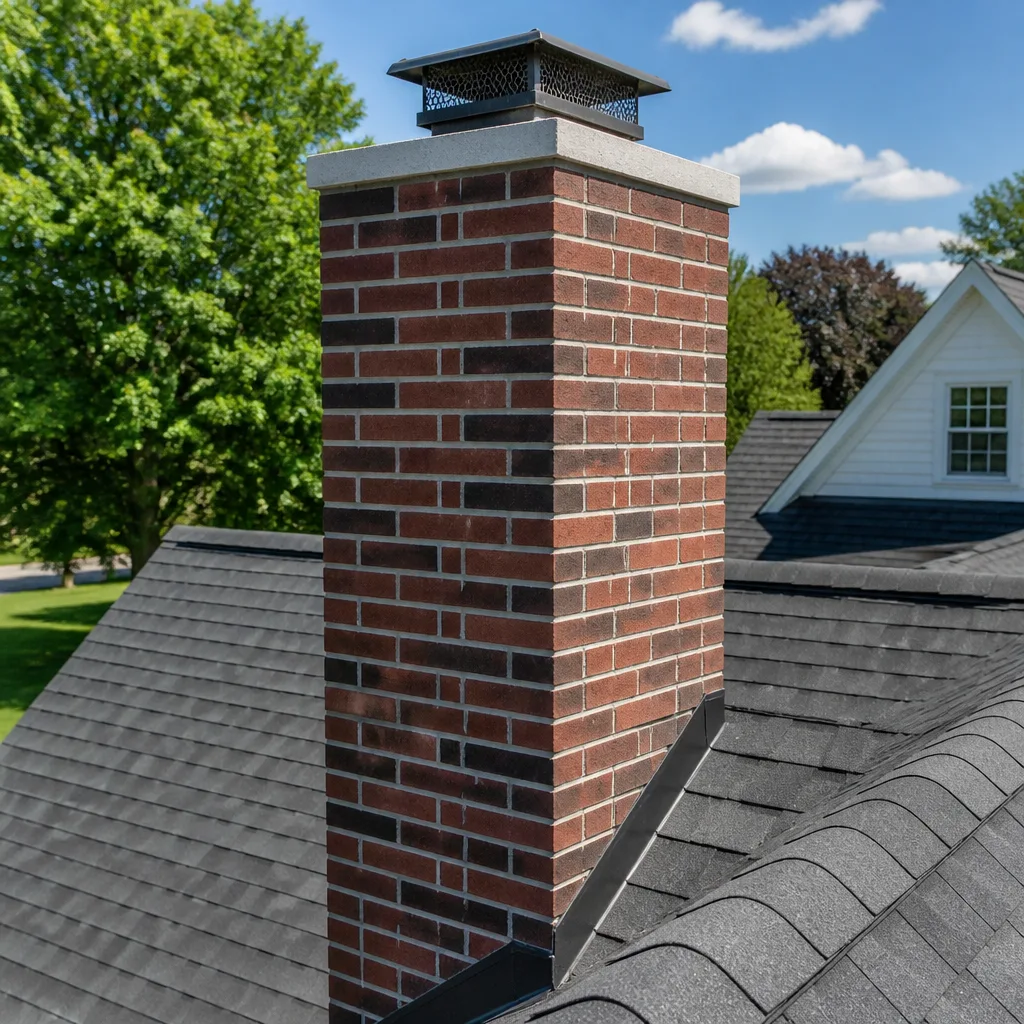 Masonry repair
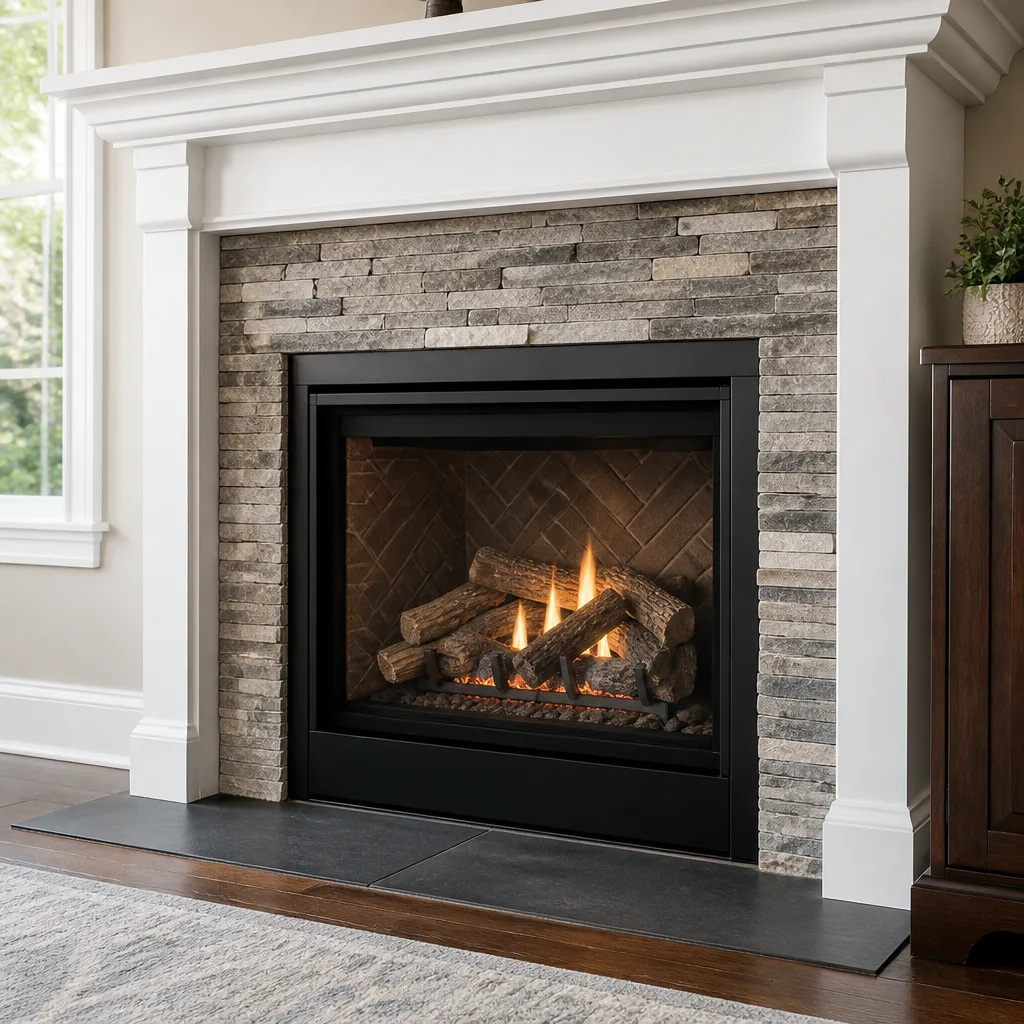 Gas fireplace service
Level 1 sweep and inspection to the NFPA 211 annual standard - flue, crown, cap, and flashing checked and photographed
Chimney sweep logs do not sweep chimneys. They loosen some creosote - which then falls where a brush and vacuum still have to collect it.
Chimney Sweep Maintenance Checklist for East Anaheim Homeowners
Most chimney maintenance checklists you’ll find online were written for houses that burn four or five cords of wood through a long, hard winter. East Anaheim isn’t that place. Here, many fireplaces see well under a cord a year, and the wear that actually matters comes from dry summers, Santa Ana wind events, and the occasional soaking rainstorm rather than months of steady freezing. That changes the schedule. For most East Anaheim homeowners, what you inspect and how often you inspect it matters far more than how frequently someone runs a brush through the flue. This guide walks through the whole system, component by component, so you know what to look for, what you can photograph on your own, and when a professional needs to step in.
Quick Answer
For most East Anaheim homes, a professional chimney inspection is worth doing once a year, while an actual sweeping is only needed when creosote buildup or debris warrants it, which for light-use fireplaces is often every few years rather than every season. Check the cap, crown, flashing, and firebox yourself a couple of times a year, and always have the flue inspected after a major windstorm or if you notice water staining, a smell, or smoke coming back into the room.
Styles & brands we work with
- Sweep & inspection
- Caps & crowns
- Flue relining
- Masonry repair
- Gas fireplace service
Table of Contents
- Why the Annual Sweep Rule Doesn’t Fit East Anaheim
- The Cap: Your First Line of Defense
- The Crown and Flashing: Reading the Top of the Chimney
- Liner Checkpoints: Clay Tile vs. Stainless Steel
- Damper, Firebox, and Smoke Chamber
- Gas Fireplace Log Sets: The Maintenance Most Checklists Skip
- Efflorescence vs. Active Water Intrusion
- What to Photograph Before You Call a Sweep
Why the Annual Sweep Rule Doesn’t Fit East Anaheim
In cold-climate regions, the annual sweep exists because a fireplace burning several cords of hardwood generates a heavy load of creosote every season. That rule traveled. It shows up in every national chimney safety article, and it’s repeated to East Anaheim homeowners who light a fire a few dozen times a year, mostly on cool winter evenings when the marine layer rolls in. The mismatch isn’t dangerous, but it means people either overspend on unnecessary cleanings or, more often, skip inspections they actually need because they assume their light use means nothing needs attention.
East Anaheim’s climate shapes chimney wear in specific ways:
- Dry summers and hot afternoons bake the crown and masonry, widening hairline cracks that water finds later.
- Santa Ana wind events drive debris, dust, and palm fronds against caps and can dislodge loose mortar or a poorly seated cap.
- Occasional heavy rain after long dry spells hits masonry that has dried and shrunk, and that’s when small cracks let water in.
- Light firebox use means creosote accumulates slowly, so a sweeping schedule based on real buildup beats a calendar.
We’ve seen East Anaheim chimneys that hadn’t been swept in years with almost no creosote, and others with a glazed, hardened layer after one heavy winter of burning unseasoned wood. The variable is how you burn, not the calendar. An inspection every year tells you which category your chimney is in, and the chimney sweep itself gets scheduled when the inspection says it’s due. That’s the model that fits this climate.
The Cap: Your First Line of Defense
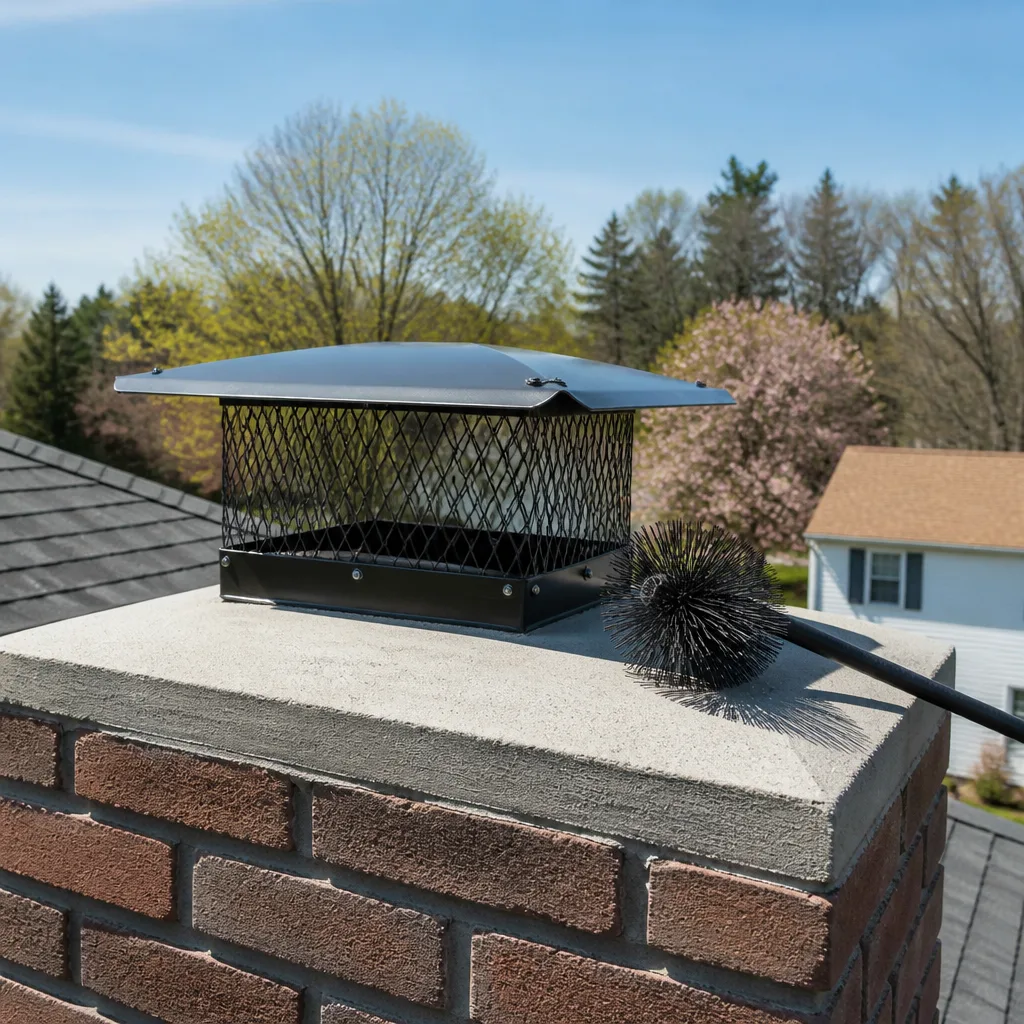
The chimney cap is the single component that takes the most punishment in East Anaheim and the one homeowners look at least. It sits on top of the flue and does three jobs: it keeps rain out, it blocks animals and debris, and it sparks or screens embers so they don’t land on a dry roof. When a cap fails or goes missing, everything below it suffers.
Here’s what to check on your cap:
- Is it still there and still attached? Wind events are the usual culprit. A cap that’s slipped or been torn off exposes the flue directly to rain.
- Rust and corrosion. Steel caps can rust through, especially lower-grade metal. Rust holes mean water intrusion.
- Loose or missing screws. A cap that rattles isn’t sealing anything.
- Clogged mesh. The spark screen clogs with soot, bird nesting material, and dust over time. A blocked screen restricts draft and can cause smoke to back up into the house.
- Animal activity. Birds and squirrels nest in uncapped flues. If you hear scratching, a cap is overdue.
When a cap has outlived its useful life, replacing it with a proper manufactured cap rather than a hardware-store universal fit is the difference between a two-year fix and a lasting one. We install caps from brands like Gelco and Copperfield because they’re purpose-built for chimney applications, with the seal, fit, and material grade a chimney cap actually needs. Our chimney cap & crown work covers both, since they’re always inspected together.
The Crown and Flashing: Reading the Top of the Chimney
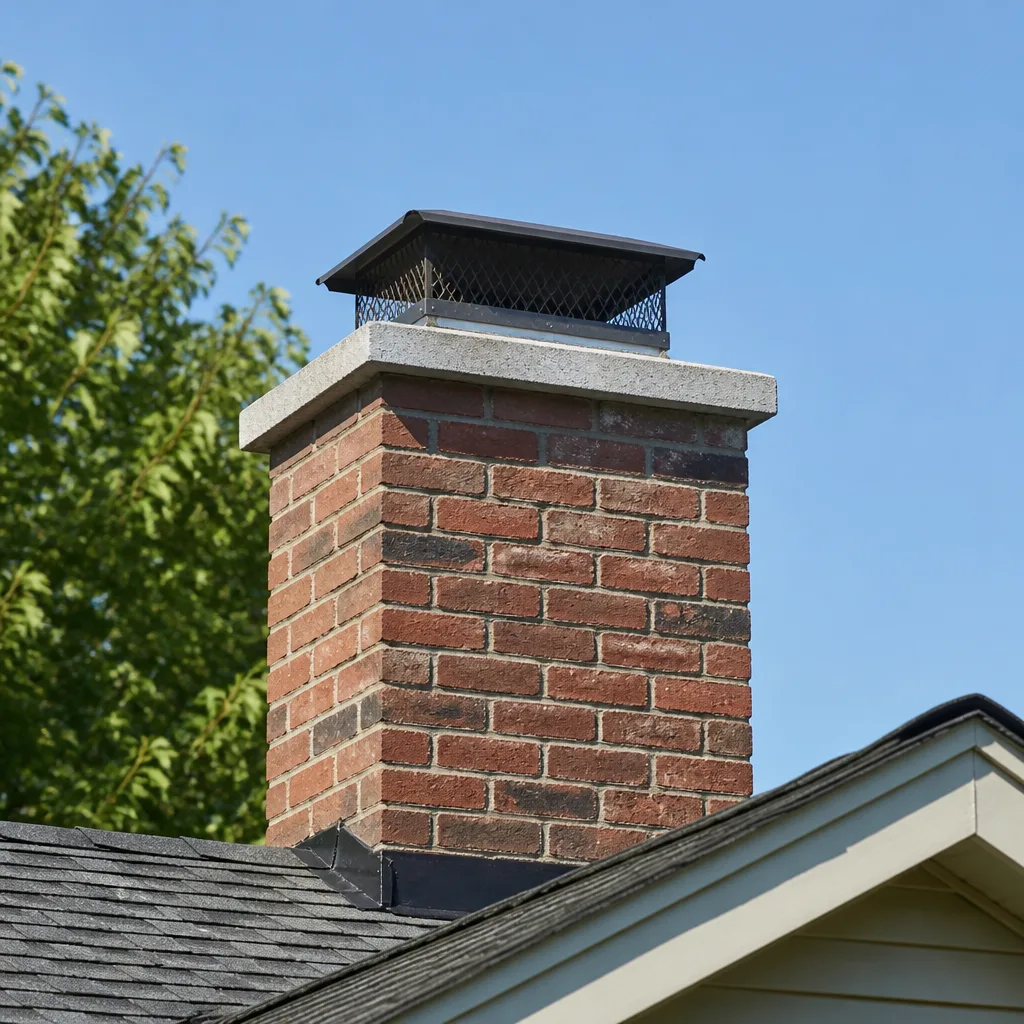
The crown is the concrete or masonry slab at the very top that slopes away from the flue and sheds water off the chimney’s shoulders. The flashing is the metal seal where the chimney meets the roof. Both fail slowly and quietly, and both are common sources of the water damage that ends up as interior ceiling stains far from the chimney itself.
What to look for on the crown:
- Hairline cracks radiating from the flue. Small cracks are normal; wide or multiple cracks that let water in are not.
- A crown that’s separated from the flue tile. It should be tight and continuous.
- Crumbling or spalling at the edges, where the crown tends to break down first.
- Water pooling on the crown instead of running off, which means the slope has failed.
What to look for on the flashing:
- Rusted, curled, or lifted metal at the base of the chimney on the roof.
- Cracked or missing sealant where the flashing meets the masonry.
- Water stains on the roof decking or attic sheathing near the chimney.
- Gaps you can see daylight through when you look up from inside a fireplace on a clear day.
Flashing repair is roof-adjacent work, and it needs to be done from the roof with proper safety gear. This is one of the places where a homeowner self-check should stop at observation. A crown that needs rebuilding or flashing that needs resealing is straightforward for a professional and frustratingly temporary when patched. It’s also the work that protects everything below, which is why we treat it as a core part of chimney repair rather than an add-on.
Liner Checkpoints: Clay Tile vs. Stainless Steel
The flue liner is the passage the smoke travels through, and it’s what protects the surrounding masonry and framing from heat and corrosive flue gases. There are two main types in East Anaheim homes: original clay tile liners in older houses, and stainless steel liners in homes that have been relined or built more recently. They fail in different ways, and they require different inspection methods. A checklist that treats them the same misses the point.
Clay Tile Liner Checkpoints
- Cracked tiles. Clay tile liners crack from heat stress and settling. Cracks are the number one limiter on how safely a fireplace can be used.
- Missing mortar joints. The joints between tiles should be tight. Gaps let flue gases reach masonry.
- Spalling. Pieces of tile flaking off and collecting in the smoke chamber or on the smoke shelf.
- Offset or misaligned tiles. Even small steps create a ledge where creosote collects and where a brush can hang up.
Clay liners need to be inspected from the top and from the firebox, and in many cases with a camera. A visual check from below only sees the first few feet.
Stainless Steel Liner Checkpoints
- Joints and seams. A stainless liner is made of sections joined together. Loose joints are the common failure.
- Corrosion at the top. Even stainless suffers at the cap end, where moisture and flue gases concentrate.
- Support and connection. The liner needs to be properly supported and connected to the appliance collar.
- Correct sizing. An oversized liner runs cool and builds creosote; an undersized one can restrict draft.
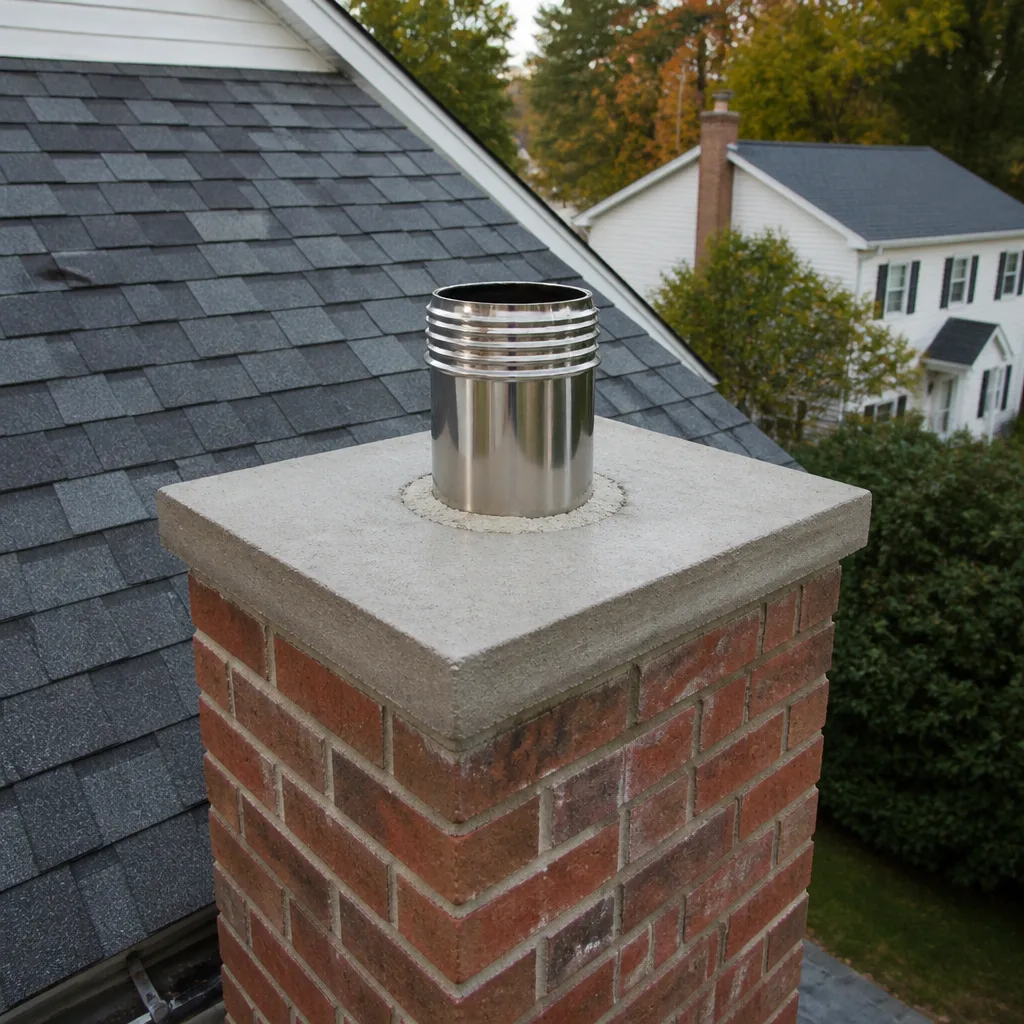
When a clay liner can’t be saved, or when an older flue has an irregular shape that a rigid liner won’t fit, a flexible stainless liner is the standard fix. We install DuraFlex systems for exactly that reason, because they handle the offsets and imperfect shapes common in older East Anaheim flues. For clay liners that are structurally sound but have surface damage, ceramic resurfacing with HeatShield restores the flue from the inside without a full reline. The right answer depends on what the inspection finds, and the honest one is that many liners can wait a while longer while others shouldn’t be used until they’re addressed.
Damper, Firebox, and Smoke Chamber
This is where most fires start, and it’s also the part of the system you can partially check yourself from the living room. The firebox holds the fire, the damper controls the draft, and the smoke chamber funnels exhaust up into the flue. When any of the three is compromised, heat and smoke end up where they shouldn’t.
Damper:
- It should open fully and close smoothly without sticking.
- A closed or partly closed damper after the fire dies cools the flue and builds creosote.
- Look for rust or a damper that’s been painted over and no longer seats.
- Top-sealing dampers are common in newer builds and need to be checked for the seal at the top, not the throat.
Firebox:
- Look for cracked or missing firebrick and open joints in the mortar.
- A white, chalky residue on the brick is often normal efflorescence, but crumbling brick is not.
- Check the back wall and the floor of the firebox, which take the most heat.
Smoke chamber:
- The smoke chamber sits above the damper and should be smoothly parged, not a rough, corbelled brick cavity that gathers soot.
- Rough or damaged surfaces here are a creosote trap and a fire risk.
- This is a camera-inspection area, not a visual-from-below area.
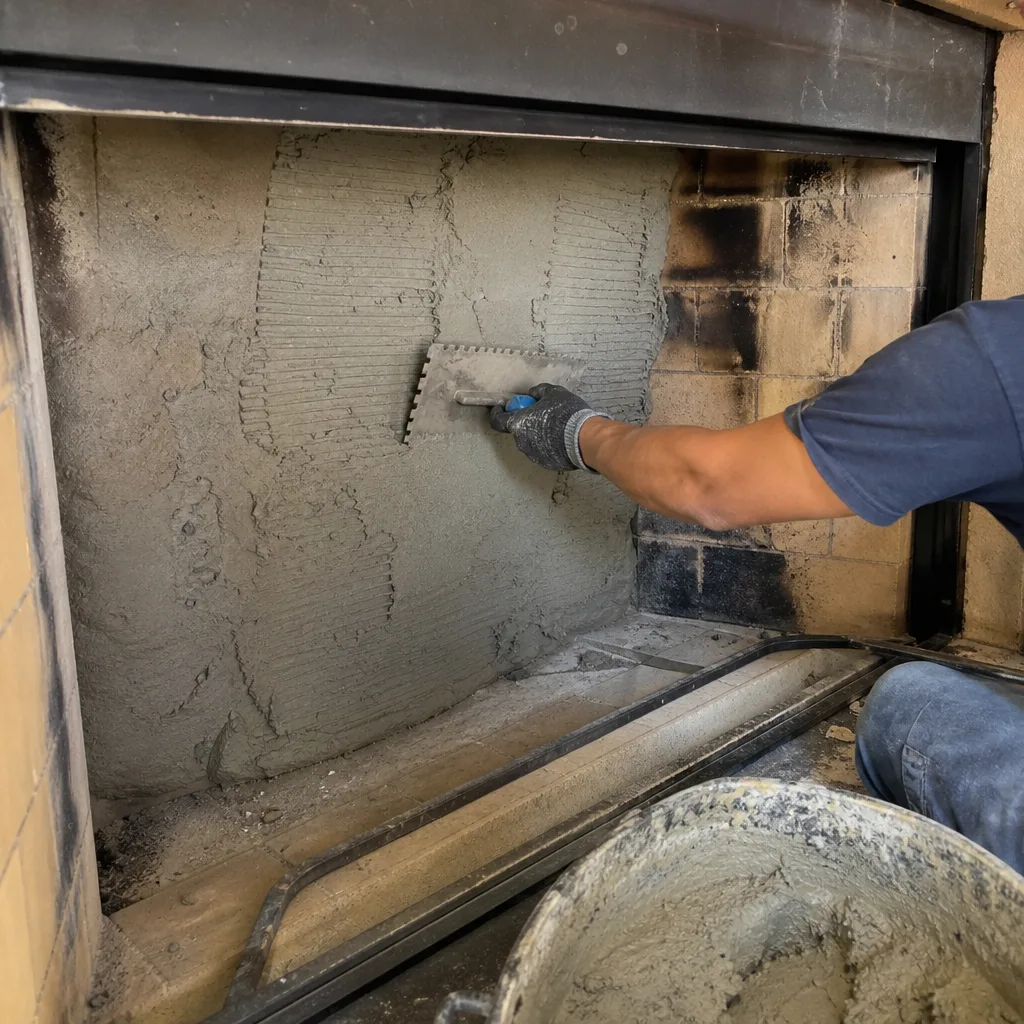
Firebox and smoke chamber problems are what our fireplace repair work handles most often. If you’re seeing cracked firebrick, a smoke smell with no fire lit, or smoke rolling into the room instead of going up, those are the signs that a professional needs to look.
Gas Fireplace Log Sets: The Maintenance Most Checklists Skip
Here’s the gap. Nearly every chimney maintenance checklist you’ll read was written for wood-burning fireplaces, so it says nothing about gas log sets, which are widespread in East Anaheim. A gas log set still needs inspection and still needs a clean flue, and it has its own checkpoints that a standard wood-fire checklist misses entirely.
- Vent status. Some gas log sets are vented, some are vent-free. They require different clearances and different inspection focus. Know which you have before anything else.
- Log placement. Gas logs must sit in their designed arrangement. Rearranged logs cause flame impingement, sooting, and can affect combustion.
- Soot and carbon on the logs. Black sooting on the logs suggests an air or fuel mixture issue worth a professional look.
- The burner and orifices. Clogged orifices from dust and spider activity are a common cause of uneven flames.
- The pilot and igniter. A pilot that won’t stay lit or an igniter that clicks without catching is a service item, not a cleaning item.
- The flue itself. Even a vented gas set deposits material in the flue over time and needs a sweep now and then, just on a longer interval than wood.
One safety note here, and it matters: any work on the gas line or gas appliance connections is a job for a trained professional. Carbon monoxide is a real risk if combustion or venting is wrong, and we don’t recommend homeowners touch burners, gas valves, or vent connections. What you can do is know which type of set you have, note any sooting, and have it checked before you trust it.
Efflorescence vs. Active Water Intrusion
Walk around the outside of your chimney and you’ll often see white, chalky staining on the brick. That’s efflorescence, and it’s cosmetic. The confusion is that it looks alarming and it’s often mistaken for the sign of a serious problem, so it’s worth knowing how to tell the two apart during a self-check.
Efflorescence (usually fine):
- White, powdery, and slightly fluffy or crystalline.
- Dissolves or wipes off with a damp cloth.
- Appears as a surface haze rather than a deep stain.
- Is a sign that moisture has moved through masonry and left salts behind, which is common on the exterior of a well-used chimney. It’s not structural.
Active water intrusion (needs attention):
- Dark, persistent staining that doesn’t wipe away.
- Crumbling, spalling brick, or mortar that falls out when you touch it.
- Water or damp patches on the inside of the chase on a dry day.
- Interior ceiling or wall stains near the chimney.
- A musty smell in the house after a rain, especially near the hearth.
If you see the second list, the water is getting in from somewhere, and it’s usually a failed crown, flashing, or cap. Finding the actual source is the job of an inspection with proper equipment. Patching the wall paint doesn’t fix it, and sealing the brick from the outside while the real entry point remains open doesn’t either.
What to Photograph Before You Call a Sweep
A homeowner who walks in with photos can have a much more informed, efficient conversation about scope and cost than one who says “the chimney seems off.” You don’t need equipment. A phone camera and sensible lighting will do.
Take these photos before calling:
- The cap and flue from the ground, zoomed in. Note any rust, missing screens, or obvious gaps. Use a ladder only if you’re comfortable and stable on a roof, and never get on the roof in wet or windy conditions.
- The crown and the top of the masonry from a safe vantage point. A telephoto shot from the yard works.
- The flashing where the chimney meets the roof. Again, from a safe angle.
- The firebox interior with the damper open, lit by a flashlight. Capture the back wall, side walls, and floor.
- The damper itself, open and half closed.
- Any water staining on the ceiling, wall, or exterior masonry.
- The whole chimney from outside, so we can see the masonry and any obvious leaning or separating.
Write down the fireplace’s use: roughly how much wood you burn, whether you burn hardwood or softwood, whether you’ve had a liner installed, and whether you’ve ever had a fire or a smoke-back. Having these answers ready shortens the conversation and means the inspection is focused on the right things. For a broader look at the fundamentals, our main page on Chimney Sweep East Anaheim covers the full service scope.
Common Mistakes to Avoid
- Sweeping on a fixed calendar instead of on inspection. In East Anaheim’s climate, most light-use fireplaces build creosote slowly, so a default annual sweep often overshoots while an un-inspected liner goes unchecked. Let the inspection decide the schedule.
- Skipping the cap because it “looks fine from here.” The cap fails at the joints, the mesh, and the underside, none of which you can see from the yard. If it’s been a while, it’s worth a close look.
- Ignoring a small crack in the crown. Cracks grow through hot dry summers and open up in the first rain. Small now, an entry point later.
- Treating efflorescence as urgent damage. White powdery bloom on exterior brick is usually cosmetic. Chasing it with exterior sealer while the real entry point goes unaddressed wastes money.
- Assuming a gas log set needs no inspection. Gas sets have their own sooting, burner, and flue checkpoints that standard wood-fire lists skip. Get them looked at too.
- Burning unseasoned wood to “use up” a supply. Wet wood burns cool, builds creosote faster, and is harder on the liner. Dry wood burns cleaner in every chimney.
- Calling a chimney handyman for a structural issue. Cracked liners, smoke chamber damage, and crown rebuilding need a specialist who inspects and repairs the whole system, not a general-cleaning operator who cleans and leaves.
See the difference
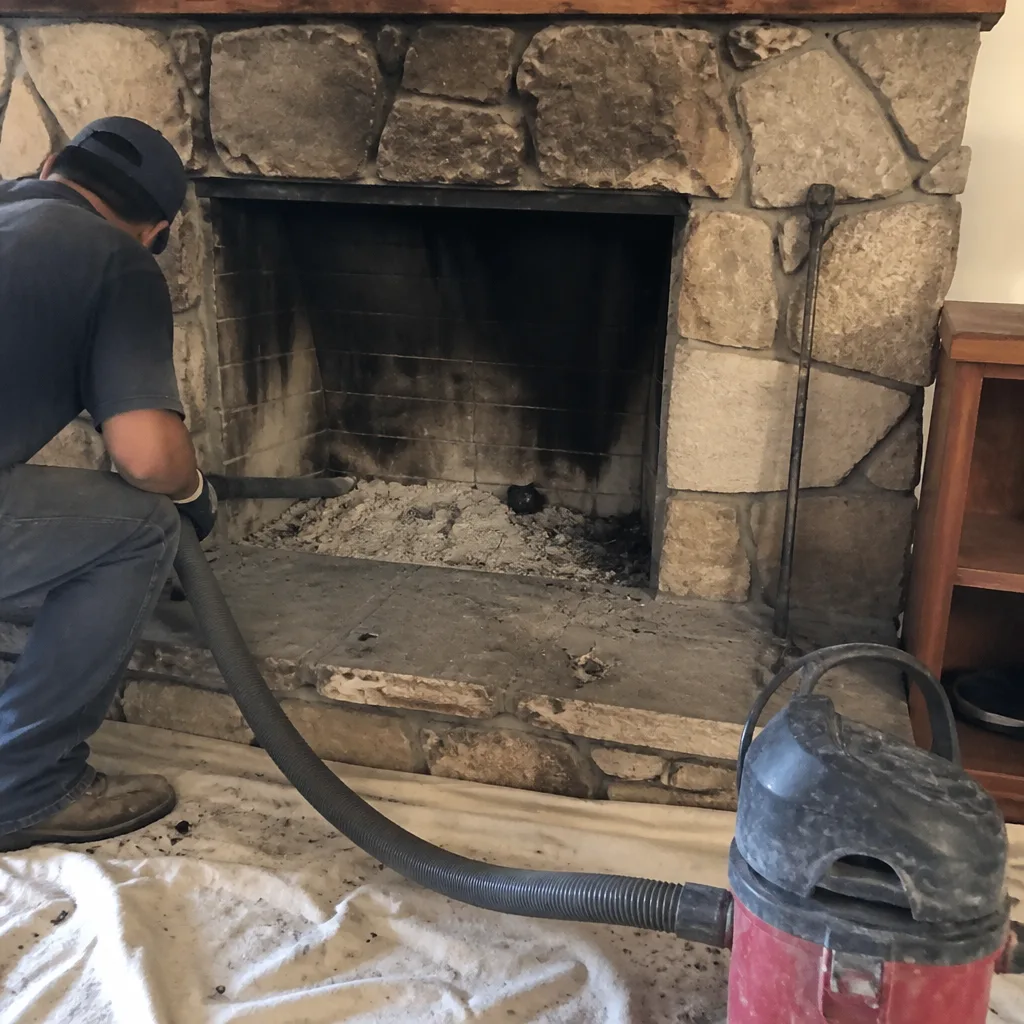 Before
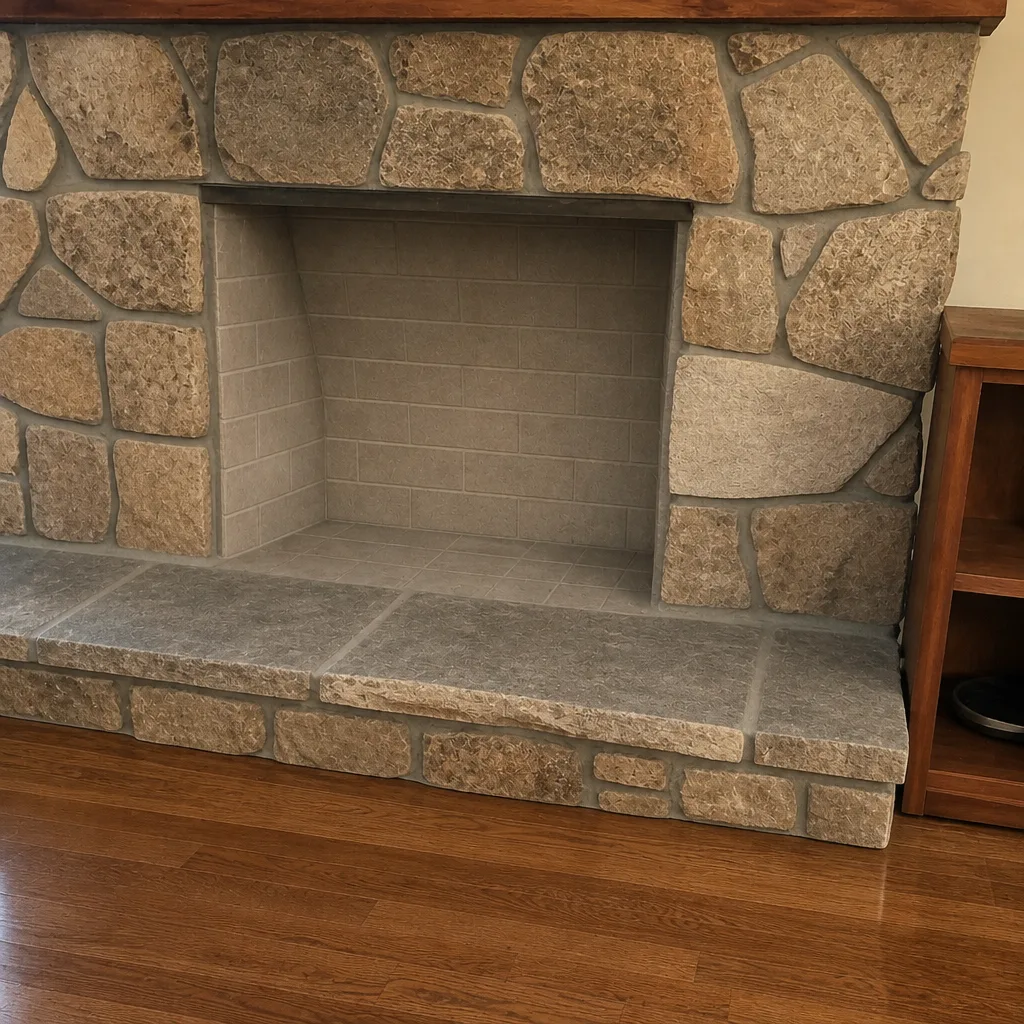 After
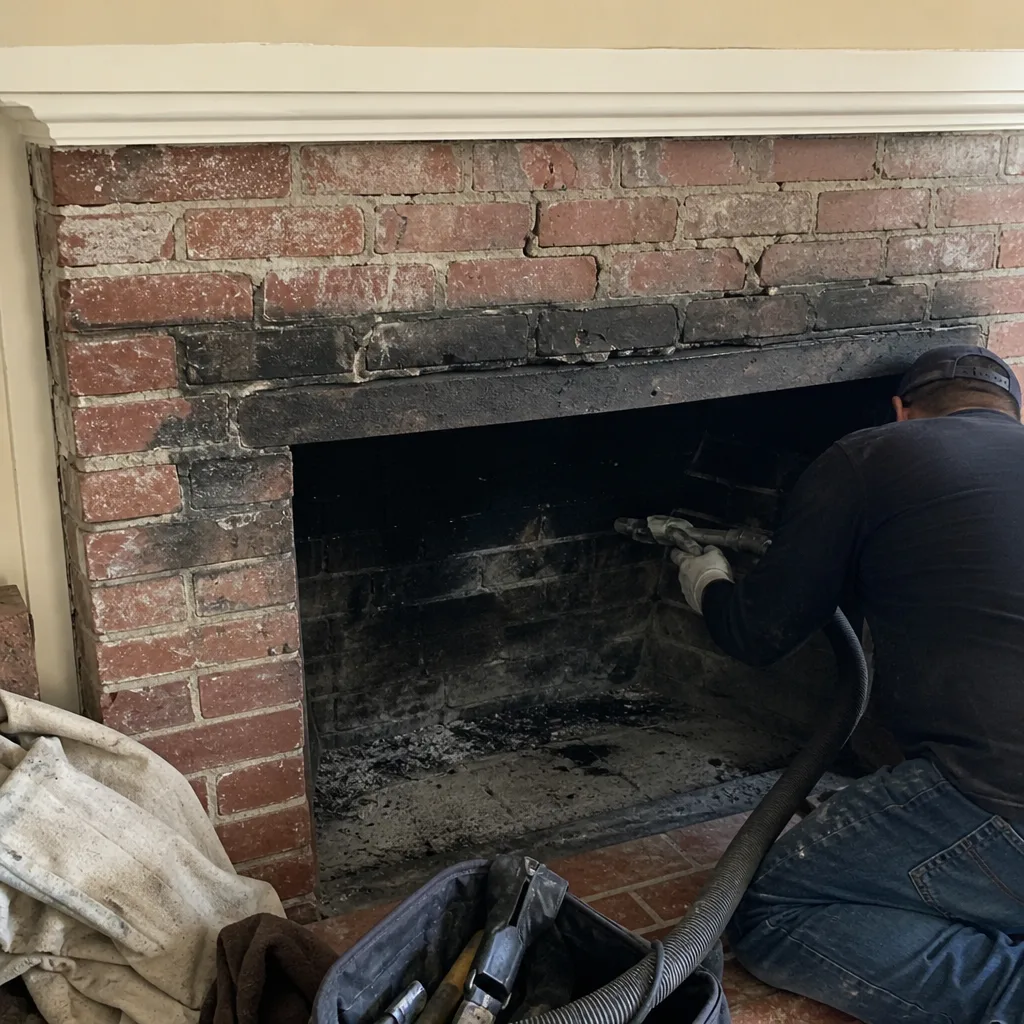 Before
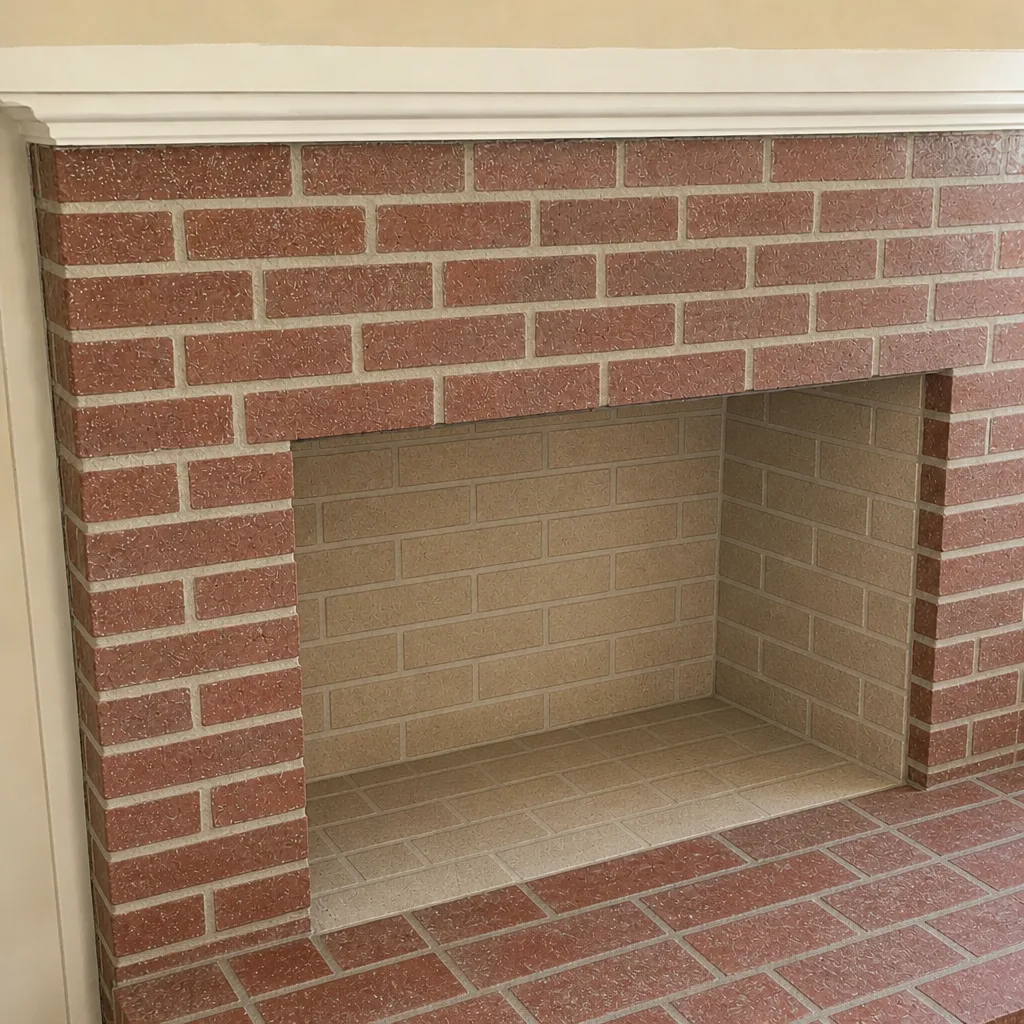 After
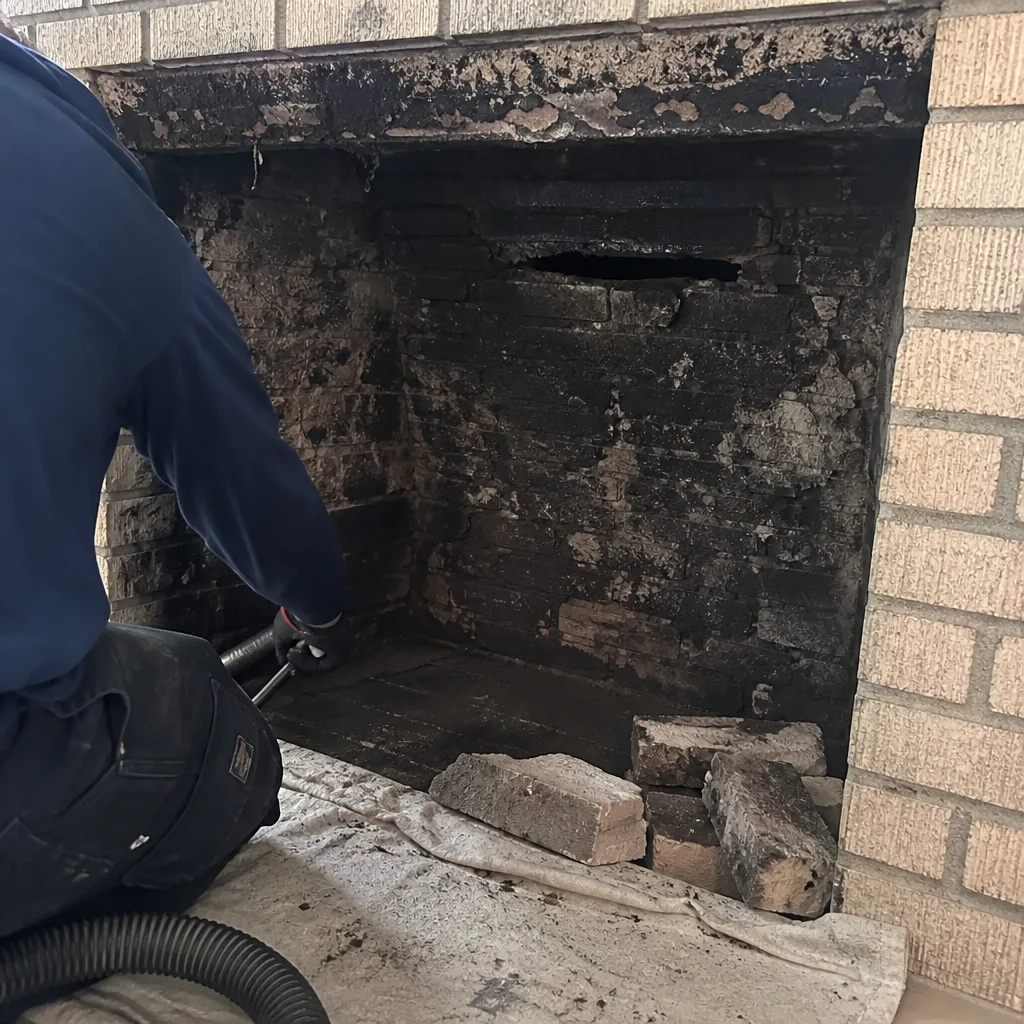 Before
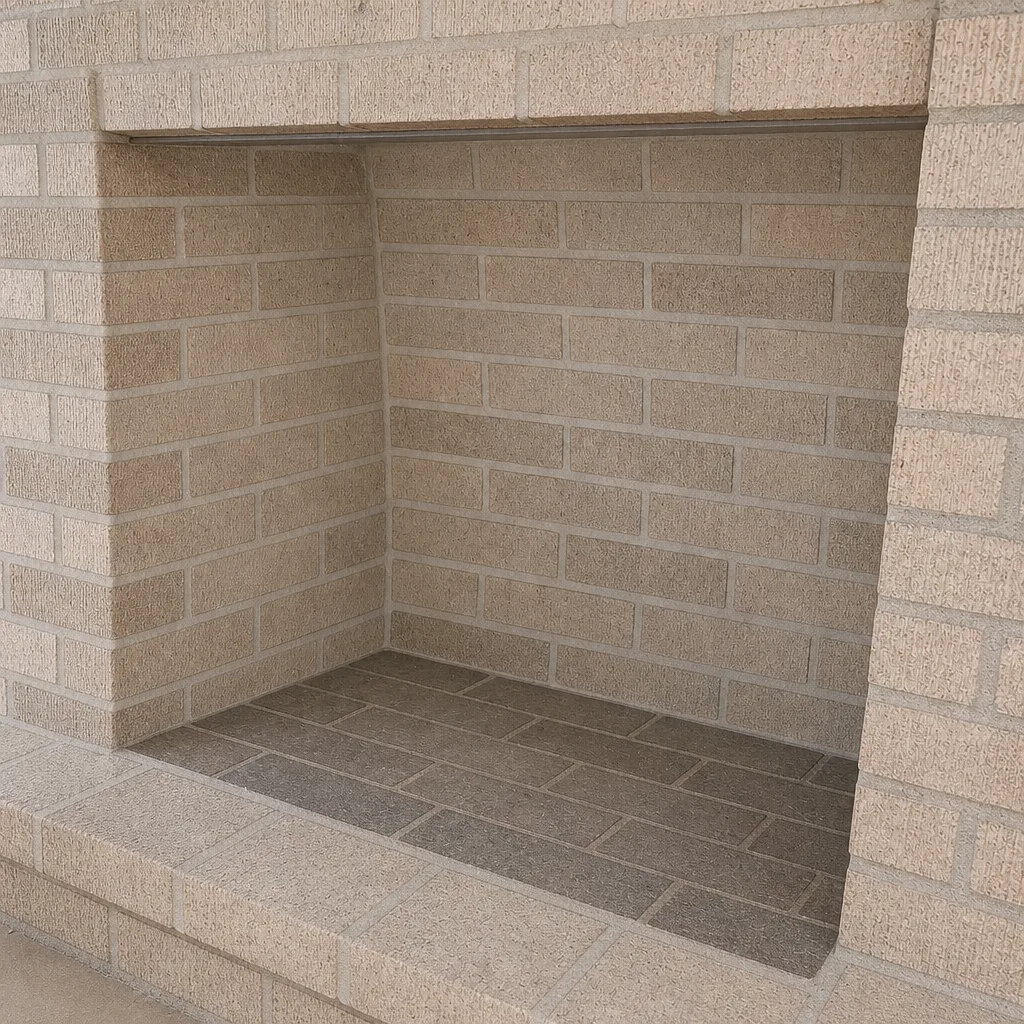 After
When to Call a Professional
Call a professional chimney service if you see any of the following: a cracked or missing cap, a crown that’s separated or crumbling, water stains on the ceiling or wall near the chimney, smoke rolling into the room when you light a fire, a strong creosote or soot smell even when the fireplace is cold, a damper that won’t open or close fully, visible cracked or missing firebrick, spalling brick on the exterior, or a house that’s had a flue fire. Also call if you’ve just bought a home with a chimney and have no documentation of when it was last inspected. A trained inspection is the only way to know whether the liner is safe to use, and it’s faster than guessing. Chimney Sweep East Anaheim offers free estimates in East Anaheim. Call (833) 997-1267. We answer 24/7. Fast dispatch from 7am to 7pm, Sunday through Friday.
Frequently Asked Questions
For most East Anaheim fireplaces, every year is not necessary, but an inspection every year is. Sweeping should be scheduled when the inspection finds enough creosote or debris to justify it, which for light-use fireplaces is often every few years. Call (833) 997-1267 for an exact quote. Estimates are free.
Not always. Many chimneys with a sound clay liner can be resurfaced or left as-is for now, and only a liner in genuinely poor condition needs replacing. We never recommend a liner without showing you the camera evidence and explaining what we found. Call (833) 997-1267 to schedule an inspection before making a decision.
Sweep pricing depends on the number of flues, access, and how much buildup is present, so the written estimate sets the final price for the job. For a typical single-flue fireplace sweep, expect the estimate to reflect the actual scope rather than a flat national average. Call (833) 997-1267 for a free estimate.
Skipped maintenance lets small problems grow: a cracked crown lets water into the masonry, a missing cap lets birds and rain into the flue, and a damaged liner can let heat and flue gases reach the framing. The two real risks are chimney fire from creosote buildup and carbon monoxide from a venting or combustion problem. Call (833) 997-1267 to get the system inspected.
Yes, for the visible items: the cap from the ground, the crown and flashing from a safe vantage point, the firebox interior with a flashlight, and the damper’s operation. What you can’t do safely is inspect the upper flue, the smoke chamber, or the liner, or get on the roof in bad conditions. Those need a professional with proper equipment.
Yes. A vented gas log set still needs its flue inspected and cleaned on a longer interval than wood, plus its own checkpoints for sooting, burner condition, and venting. Gas work on burners and connections should only be handled by a trained professional. Call (833) 997-1267 to have a gas set inspected.
The Bottom Line
A good chimney maintenance checklist for East Anaheim is built around inspection, not the calendar. Check the cap, crown, flashing, firebox, and damper yourself a few times a year, photograph anything that looks off, and have a professional inspect the flue and liner every year so that sweeping happens when it’s actually needed. The components that fail here fail slowly, and they fail first at the top. That’s the pattern to stay ahead of. Our technicians have up to 9 years of experience with the whole chimney system, from the firebox up to the crown, using specification-grade materials and brands professionals rely on across the industry. If it’s been a while since anyone looked at yours, or you’re not sure what you’ve inherited, give us a call.
Contact
Ready to have your chimney checked by someone who inspects the whole system and not just the flue? Call Chimney Sweep East Anaheim at (833) 997-1267 for a free estimate. We answer 24/7. Fast dispatch from 7am to 7pm, Sunday through Friday. We’ll identify what needs attention, show you what we find, and tell you plainly what can safely wait.
Written by the team at Chimney Sweep East Anaheim.