
Last updated November 24, 2026
 Sweep & inspection
 Caps & crowns
 Flue relining
 Masonry repair
 Gas fireplace service
Level 1 sweep and inspection to the NFPA 211 annual standard - flue, crown, cap, and flashing checked and photographed
Chimney sweep logs do not sweep chimneys. They loosen some creosote - which then falls where a brush and vacuum still have to collect it.
DIY vs Professional Chimney Cleaning: The East Anaheim Homeowner’s Decision Guide
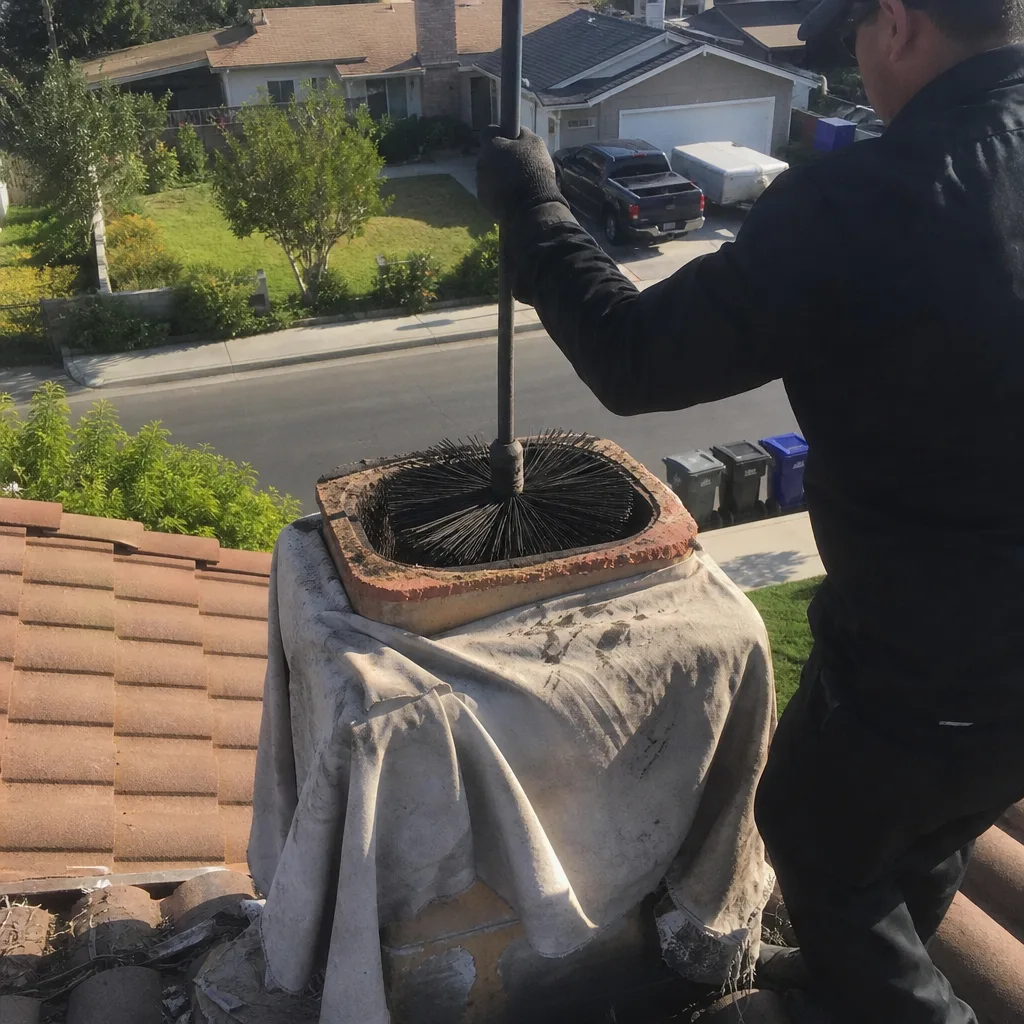
You can physically remove visible soot with a $60 brush kit from a hardware store. What you cannot do with that kit is see a 3mm crack in a clay tile liner 15 feet up the flue, measure creosote layer thickness with any accuracy, or confirm that your smoke chamber mortar hasn’t failed. Those are the things that cause chimney fires, and they’re the reason a clean flue and a safe flue aren’t the same thing. This guide lays out exactly which tasks a capable homeowner can handle, which require equipment you can’t buy at a home center, and how to build a schedule that uses both sensibly. If you live in East Anaheim and you’ve been putting off a sweep because you figure you can do it yourself, this is written for you.
Quick Answer
DIY chimney cleaning is safe and reasonable for one narrow task: brushing light, dry soot from an accessible flue between professional visits. It is not a substitute for a professional sweep and inspection, because consumer brush kits and shop vacuums cannot assess creosote stage, test liner integrity, or find hidden defects that make a fireplace unsafe to burn. For most East Anaheim homes with an active fireplace or wood stove, a professional sweep and inspection once a year is the baseline, and DIY brushing is a supplement at best.
Styles & brands we work with
- Sweep & inspection
- Caps & crowns
- Flue relining
- Masonry repair
- Gas fireplace service
Table of Contents
- What DIY Chimney Cleaning Can Actually Accomplish
- What Tools You’d Actually Need to Do It Right
- The Inspection Steps You Can’t Replicate at Home
- DIY vs Professional: The Real Cost Comparison
- Documentation, Insurance, and Liability in California
- How to Use DIY as a Complement, Not a Replacement
- Building Your Annual Chimney Schedule
- Why East Anaheim’s Climate and Housing Affect the Decision
What DIY Chimney Cleaning Can Actually Accomplish
Let’s be clear about what a homeowner with reasonable dexterity and a ladder can do. There’s a real, if modest, set of tasks that fall within DIY range without much risk:
- Brushing light soot from the flue on a straight, accessible chimney with a standard round brush sized to the flue.
- Cleaning the firebox of ash and debris, and removing old ash from the ash pit if your fireplace has one.
- Wiping down the glass doors and firebox surround after the burning season ends.
- Checking the damper operation from below and confirming it opens and closes freely.
- Clearing visible debris from the top of the chimney – leaves, twigs, animal nesting material – where it’s safe to reach.
That’s about it. What a homeowner cannot do with a brush and a shop vac is assess the condition of the flue interior. And that’s the whole point of a sweep. The brush removes what’s there; the trained eye determines what shouldn’t be there and what’s been damaged. A flue that’s given years of service in a home near the Anaheim Hills foothills, where burning season stretches from late fall through early spring, can accumulate creosote in stages that look identical from the firebox but behave very differently in a fire. Stage 3 creosote is glazed, hard, and combustible, and brushing it with a consumer brush doesn’t remove it.
In our experience, homeowners who call us after a DIY attempt almost always describe the same thing: they got a lot of soot out, felt productive, and had no idea whether the job was done. That’s the fundamental limitation. DIY cleaning can make a chimney look cleaner. It can’t make it verifiably safe.
What Tools You’d Actually Need to Do It Right
Here’s where the economics of DIY get interesting. A basic homeowner brush kit sells for around $60, and it will brush a straight flue. But the full kit a professional sweep carries includes equipment the homeowner can’t easily substitute:
- A correctly sized flue brush set – not just one brush, but sizes matched to your flue’s actual dimensions. An oval flue, common in older homes, needs an oval brush. A round brush in an oval flue misses the corners.
- Rods long enough to reach the full height of the flue – 15 to 25 feet of flexible rods, which means buying multiple sections and adding real cost.
- A high-CFM HEPA vacuum – shop vacuums aren’t HEPA-rated, and standard shop vacuums exhaust fine soot back into the room. A shop vac without HEPA filtration will leave your living room dustier than you found it.
- Drop cloths and negative air containment – professional sweeps set up plastic sheeting and run the vacuum with the firebox sealed to keep soot out of the home. Doing this well takes practice.
- A ladder rated for the chimney height, roof access, and a safe way to work at the top of the stack if you’re brushing from above.
- Personal protective equipment – respirator rated for fine particulates, eye protection, gloves.
Add it up honestly and a complete homeowner kit approaches the cost of a professional sweep in East Anaheim, without the inspection or the documentation. And that doesn’t account for roof access risk, which is the part a lot of homeowners underestimate. Working on a roof is genuinely dangerous, and we’d rather you didn’t. If your chimney needs top-down work, that’s a job for someone with the right equipment and the training to use it.
One more practical note: many East Anaheim homes were built in the 1950s through the 1970s, with clay tile liners that have had decades of thermal cycling. Those liners can look fine to a homeowner peering up the flue and be well past their service life. Access matters as much as tools, and a 15-foot flue viewed from the firebox tells you almost nothing.
The Inspection Steps You Can’t Replicate at Home
This is the heart of the DIY vs professional question, and it’s worth slowing down on. Chimney inspection isn’t a visual once-over. It’s a structured process with specific goals, and consumer equipment can’t approximate most of it.
Camera scoping of the flue interior
A professional sweep runs a camera down the flue and captures the interior – not just the uppermost section, but the full run from the smoke chamber to the crown. Camera scoping reveals cracks, gaps in the tile joints, spalling, and liner separation that simply cannot be seen from below with a flashlight. A 3mm crack in a tile is not hypothetical; it’s a common failure point, and it’s exactly the kind of defect that lets heat and combustion gases reach framing lumber.
Creosote stage assessment
Creosote accumulates in three recognizable stages: light soot, a crusty flaky layer, and glazed, hardened creosote. The stage determines the cleaning method. Stage 1 brushes off easily; Stage 3 often needs chemical treatment and mechanical rotary cleaning. A homeowner with a brush kit can remove Stage 1 and part of Stage 2. Stage 3 brushing is a professional job, and brushing glazed creosote without proper technique can damage the flue.
Liner integrity testing
The flue liner is the component that protects your house from the heat of the fire. Confirming it’s sound requires looking for cracks, gaps, and deterioration along the entire run and, in some cases, measuring. If the liner is compromised, the fireplace shouldn’t be used until it’s addressed. This is the finding that changes a “just clean it” job into a repair – and it’s also the finding most homeowners miss.
Smoke chamber and damper assessment
The smoke chamber, the tapered section above the firebox, is where failed mortar is common and dangerous. Its condition affects whether smoke drafts up and out or spills into the room. Checking it properly requires looking up and around inside it, not just opening the damper.
Carbon monoxide and draft performance
A blocked or undersized flue can produce incomplete combustion and push CO into the living space. Professionals assess draft and look for the conditions that lead to it. Consumer tools can’t measure this.
If you want the full picture of what a professional assessment covers, our Chimney Sweep East Anaheim service page outlines the scope, and the technician will walk you through the findings rather than hand you a checklist.
DIY vs Professional: The Real Cost Comparison
Cost is the reason most homeowners consider DIY in the first place, so let’s look at it honestly. Please note that the dollar figures below are typical ranges for illustration; every job is priced per job by written estimate, and the numbers in your written estimate set the final price.
| Item | Typical Cost | What It Covers |
|---|---|---|
| Entry-level DIY brush kit | $50-$80 | One brush, rods, basic handle; straight flue only |
| Complete DIY brush + rod set | $150-$250 | Multiple brush sizes, extended rods; still no HEPA vacuum |
| HEPA-rated extraction vacuum | $300-$500 | Keeps soot out of the home; not usually bought for one chimney |
| Professional sweep | $150-$300 | Full sweep, cleanup, containment, disposal |
| Professional inspection + sweep | $250-$450 | Sweep plus camera scoping, creosote stage, liner assessment |
| Cost of a missed liner defect | Varies widely | Repair or reline; potentially far more than routine service |
The trap here is comparing the $60 kit to the $150-$300 sweep and calling it a win. The honest comparison is the complete DIY setup – around $400-$800 once you’ve added a HEPA vacuum, proper rods, and safety gear – versus a professional visit that includes an inspection and documentation. And even at the DIY price, you still haven’t addressed the inspection, which is the part that determines whether it’s safe to burn.
Then there’s the risk-adjusted piece. If a DIY cleaning misses a crack in the liner and the fireplace is used for another season, the repair cost is real and often larger than a routine sweep would have been. We’re not going to tell you a number for that; nobody can, and anyone who quotes you one is guessing. What we can say is that the inspection is the part that protects you, and it’s the part DIY can’t replace. If the inspection turns up a problem, a chimney sweep that includes assessment is the straightforward fix.
Documentation, Insurance, and Liability in California
This is a section most guides skip, and it matters. When you sell a house in California, and when your homeowner’s insurance is evaluated, documentation of chimney service tells a story. A professional sweep produces a record: the date of service, what was found, what was cleaned, and what condition the flue was in.
A homeowner doing the work themselves produces no such record. That’s not a legal problem in itself – there’s no California law that requires you to hire a sweep for your own home. But if a chimney-related fire happens, or if an insurance adjuster reviews the property after a loss, the absence of documentation can complicate the claim. Insurers care about maintenance, and a self-performed sweep leaves no evidence one happened at all. If you’ve recently bought a home in East Anaheim with an older chimney, this is worth weighing carefully: the previous owner’s records may be thin, and starting a documented service history is cheap insurance in the literal sense.
We can’t tell you how your specific insurer will handle your specific policy. What we can tell you is that professional service generates a written record, and the documentation is one of the things you’re paying for alongside the cleaning itself. The local professional we connect you with is licensed and insured as their state requires, and the inspection report you get from a professional visit is a document you can pass along.
How to Use DIY as a Complement, Not a Replacement
Here’s the position we’d take if we were advising a neighbor. DIY has a place, and it’s not nothing. The right way to think about it is that DIY handles the small things and professionals handle the things that matter.
A sensible split looks like this:
- Before burning season, have a professional sweep and inspection done. This is the annual baseline. It clears what accumulated during the off season, assesses the flue, and documents condition.
- During burning season, keep on top of ash removal and firebox cleanup yourself. Empty the ash pan when it’s full, keep the firebox clear of excess debris, and monitor how the fire drafts.
- After burning season, wipe down the firebox, glass doors, and surround yourself. This is low-risk and genuinely useful.
- Between professional visits, if you notice soot buildup and want to brush it lightly, do it – but know that this doesn’t substitute for the inspection. A light brush is maintenance, not assessment.
- Any time you smell smoke in the house, see creosote buildup, notice draft problems, or hear a change in how the fireplace behaves, stop using it and schedule a professional inspection.
When a defect is found, the fix isn’t always a big repair. Sometimes it’s a cap replacement, sometimes flashing work at the top of the chimney using Famco or Copperfield products, sometimes a resurfacing with HeatShield for an interior liner that’s cracked but not failed. The point is that the professional visit is what tells you which of those situations you’re in. DIY brushing can’t, because it can’t see the problem. A chimney cap & crown job, for example, depends on an inspection finding – not on a guess.
Building Your Annual Chimney Schedule
An annual schedule is the practical answer to the DIY vs professional question. Here’s how we’d structure it for a typical East Anaheim household with an active fireplace.
- Late summer or early fall: professional sweep and inspection. Get this done before the first burn. The professional visit clears the flue, assesses the liner, checks the smoke chamber and damper, and documents everything. If there’s a cap or crown issue, it gets caught before weather and nesting season make it worse.
- Start of burning season: homeowner check. Confirm the damper opens freely, the firebox is clear, and there’s no debris visible at the top of the stack. If you see anything odd, call before you burn.
- Mid-season: light DIY brushing if needed. If you’re burning frequently and soot accumulates, a light brush is fine. Keep it light; don’t force a brush through a flue you’re not confident in.
- End of burning season: firebox and glass cleanup. Clear ash, wipe down doors, and check for anything that looks off. Note anything unusual for the next professional visit.
- Whenever something changes: call. Draft issues, smoke smell in the house, visible creosote, unusual sounds. These aren’t things to diagnose yourself.
If you burn frequently – say, several times a week through the colder months – the annual sweep matters more, not less. The more you burn, the more creosote accumulates, and the shorter the interval a professional would recommend. Some heavier users need a mid-season sweep as well. The right cadence depends on your burning habits and your flue, which is another reason the inspection matters: it tells you what your specific chimney needs.
For firebox-level repairs that turn up during the annual check, our fireplace repair service handles the interior work. The inspection and repair happen under the same roof, which saves you the trouble of tracking down a second contractor for the interior after the sweep is done.
Why East Anaheim’s Climate and Housing Affect the Decision
East Anaheim is inland enough that our winters are mild but real, and the homes here reflect that. Many houses in neighborhoods like canyon-adjacent parts of the city, older tracts near the western edge, and established areas with 1950s and 1960s construction have clay tile liners that are now quite old by flue standards. Those liners are the component most likely to have developed the cracks and gaps that make DIY cleaning insufficient.
Our burning season isn’t brutal, but it’s long enough that a fireplace or wood stove gets real use from late fall into early spring. That’s enough use to accumulate meaningful creosote. It’s also enough use that a homeowner notices draft problems, smoke smell, or inconsistent burn – and those are the signals to schedule the annual sweep. The mild climate also means chimney caps and crowns take a beating from dry heat and the occasional storm without the freeze-thaw stress that matters in colder parts of the state, but heat and weather still work on them. A cap problem isn’t a cleaning problem; it’s a top-of-chimney problem that needs a professional eye.
If your home is in a neighborhood with tall trees or hillside exposure, nesting material and debris in the flue is a real seasonal concern. That’s another reason the inspection should be a fixed annual item rather than something you get around to. If you’re a new East Anaheim homeowner and you don’t have records from the previous owner, treat the first year as a baseline year: get the sweep and inspection done, document the condition, and then build your schedule around what you find.
For homeowners in East Anaheim who want the full-scope option, the professional we connect you with handles sweeping, inspection, cap and crown work, and repair – the same specification-grade brands like DuraFlex, HeatShield, Olympia Chimney, and the rest, rather than generic parts. The goal is that one visit tells you everything and one call handles the fix.
Common Mistakes to Avoid
- Treating a brushed flue as a safe flue. A clean-looking flue can still have a cracked liner. DIY cleaning removes soot; only an inspection confirms safety, and the two are not interchangeable.
- Buying a shop vacuum and calling it a chimney vac. Standard shop vacuums aren’t HEPA-rated and exhaust fine soot back into the room. East Anaheim homes with open floor plans suffer more from this than you’d expect, and the cleanup takes longer than the sweep would have.
- Brushing glazed creosote yourself. Stage 3 creosote doesn’t brush off with a consumer brush, and forcing it can damage the tile. Leave it to a professional who can assess the stage first.
- Skipping the inspection because the sweep was “fine.” The inspection is the whole reason to bring in a professional. If a service doesn’t include one, you’re paying for half a job.
- Using a round brush in an oval flue. Older East Anaheim homes often have oval flues, and a round brush misses the corners. That’s where creosote builds first.
- Working from the roof without proper fall protection. This is the most common DIY injury scenario in chimney work, and it’s avoidable. If the job needs top-down work, it’s a professional job.
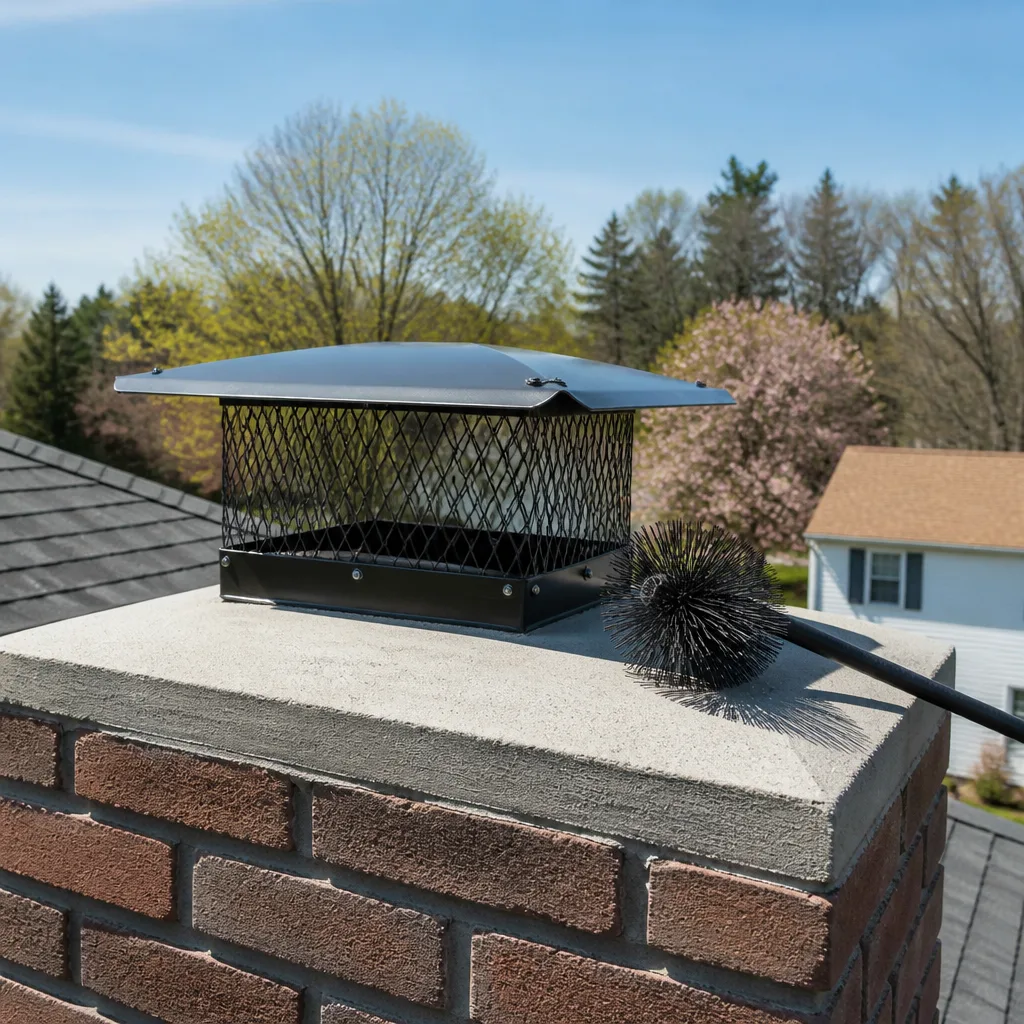
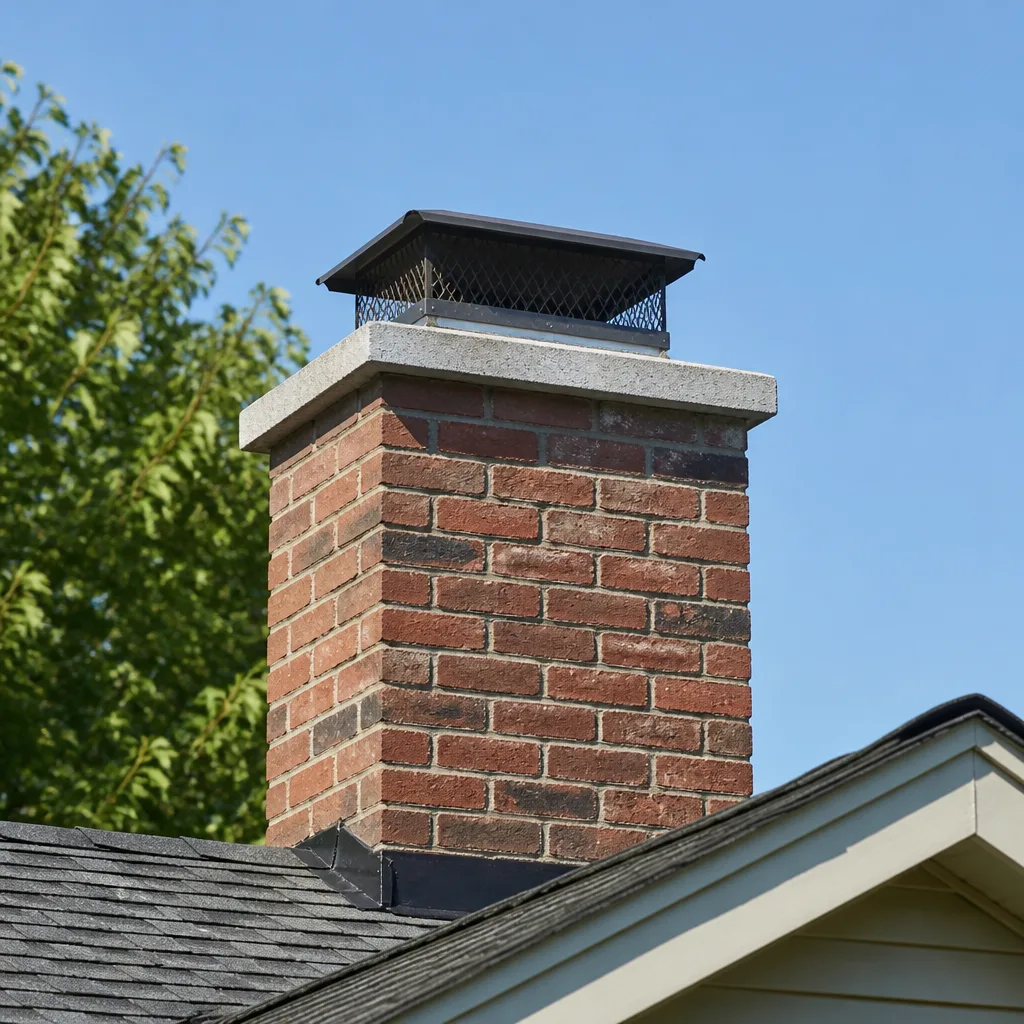
- Burning without a cap. An uncapped flue invites debris, water, and animals. If you’re not sure whether your cap is intact, an inspection tells you, and cap work uses proper components rather than a makeshift cover.
See the difference
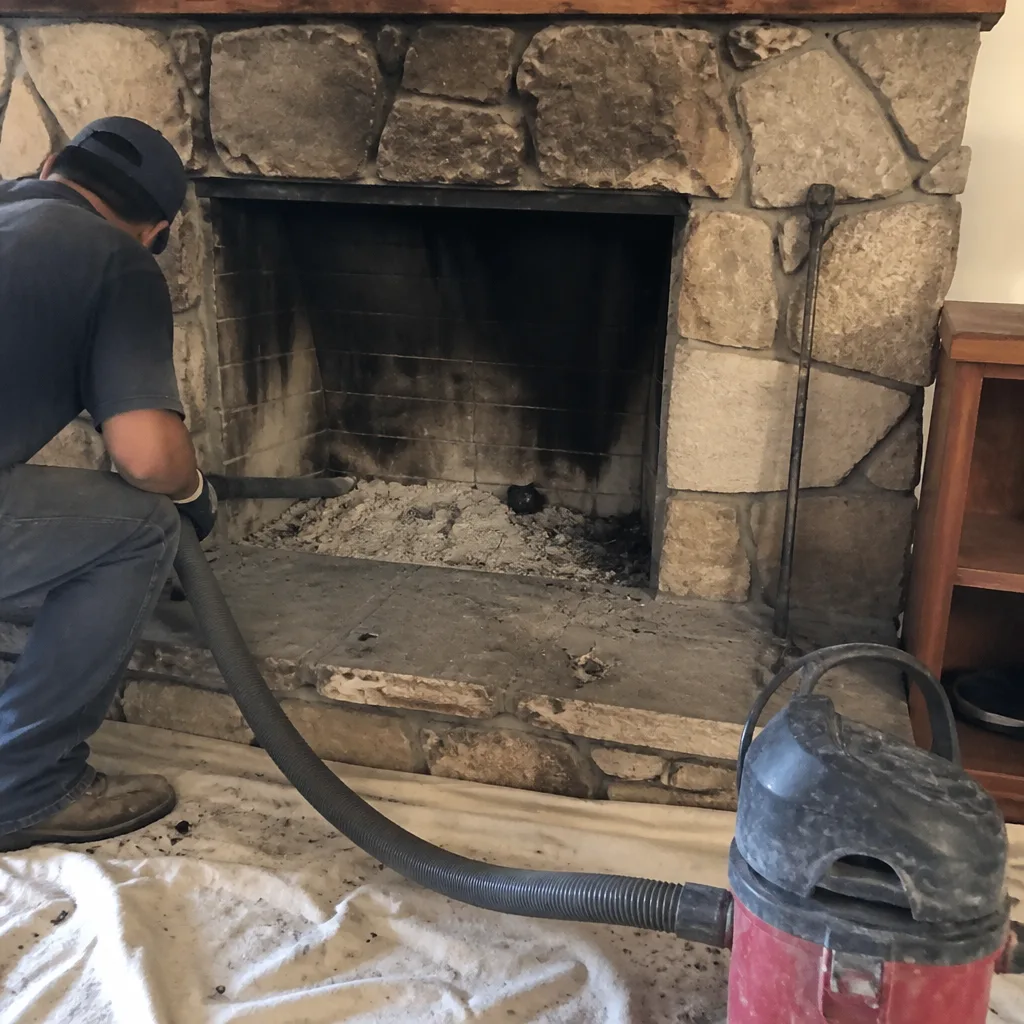 Before
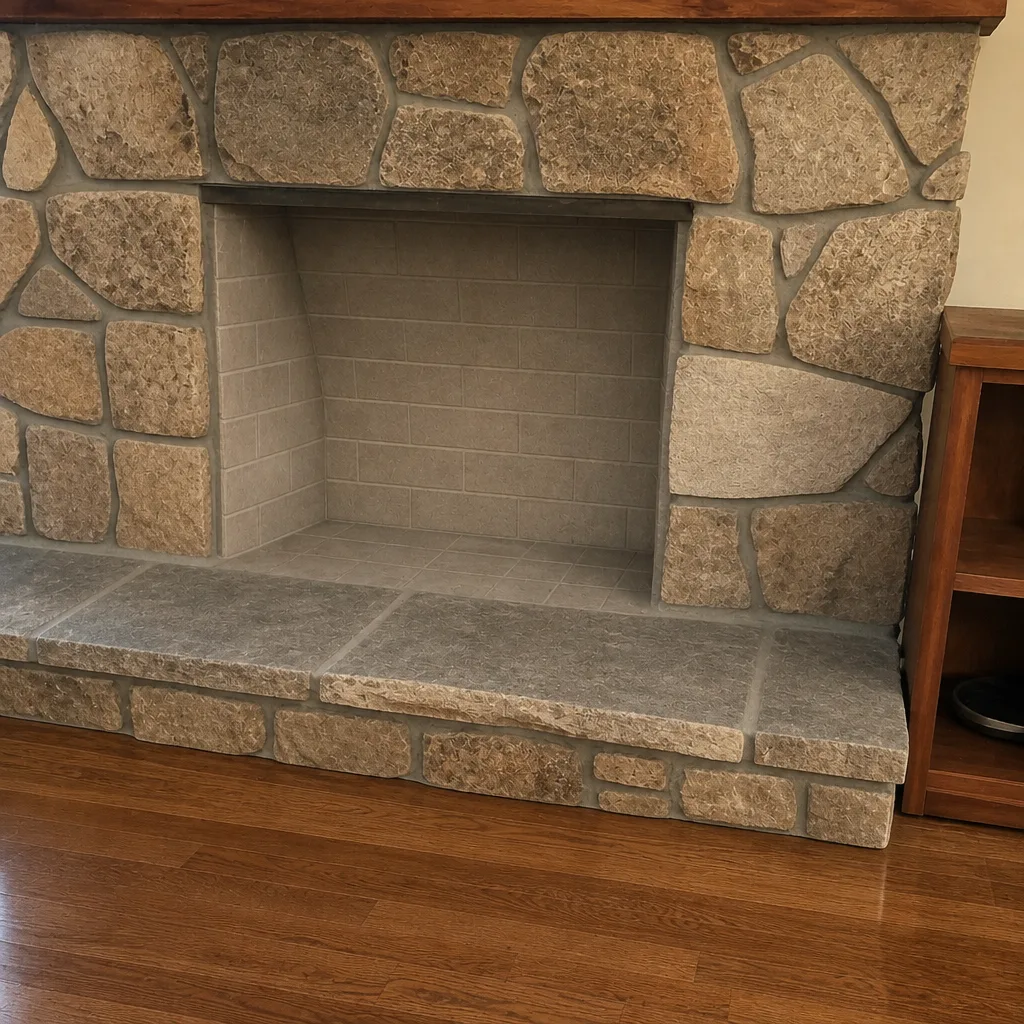 After
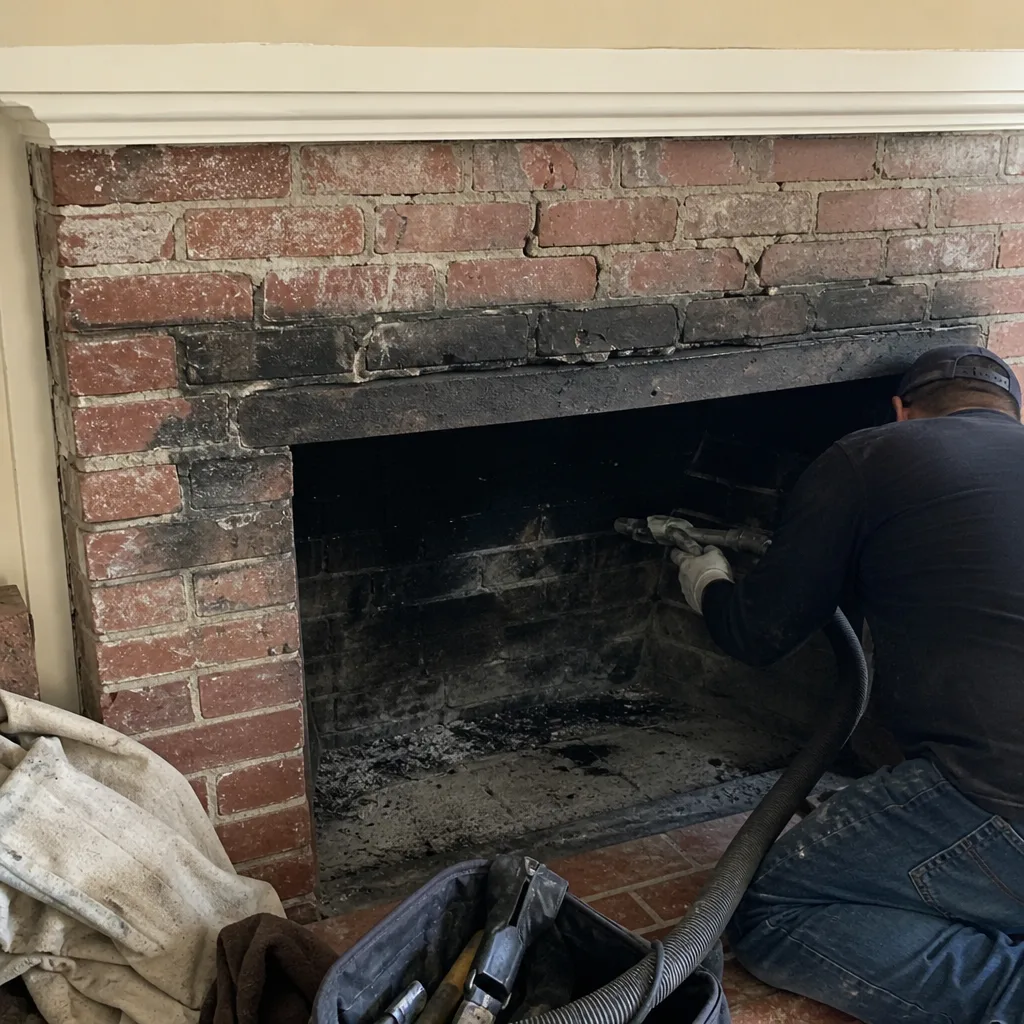 Before
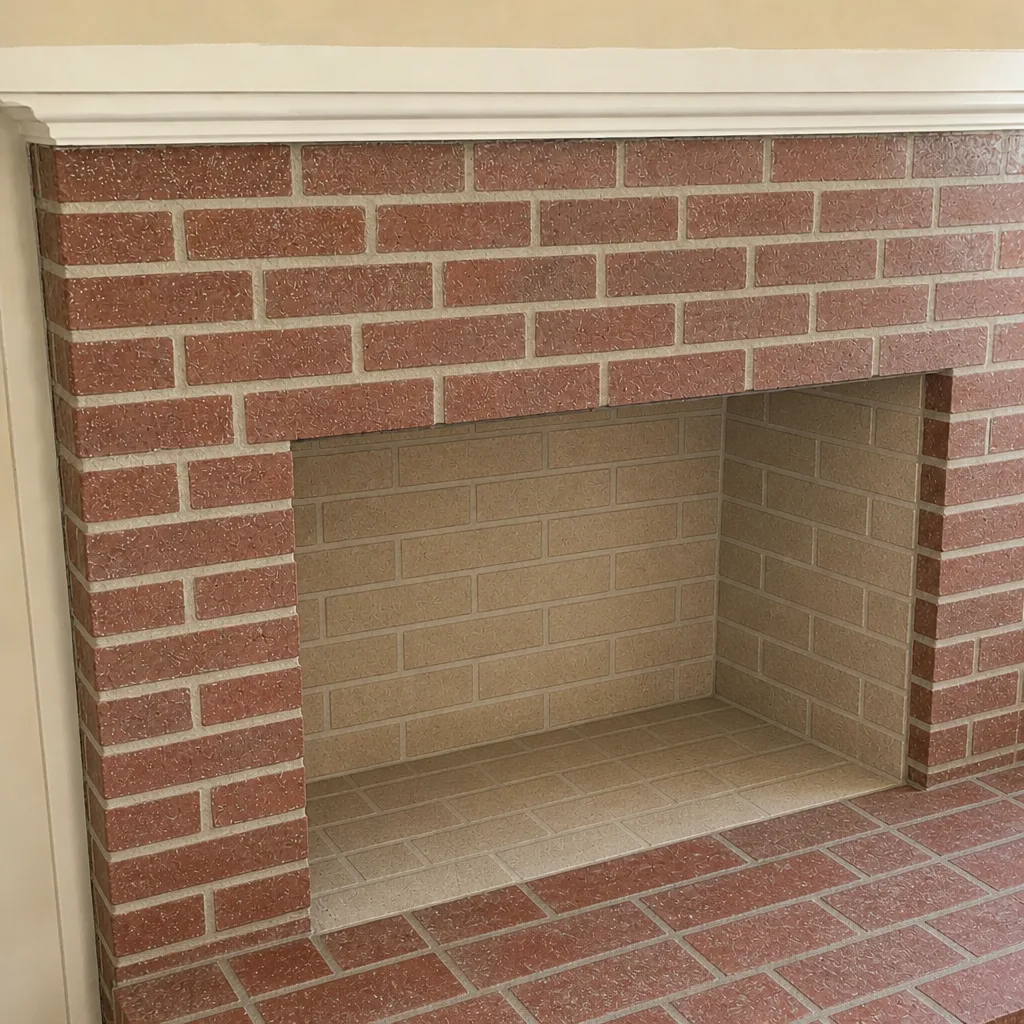 After
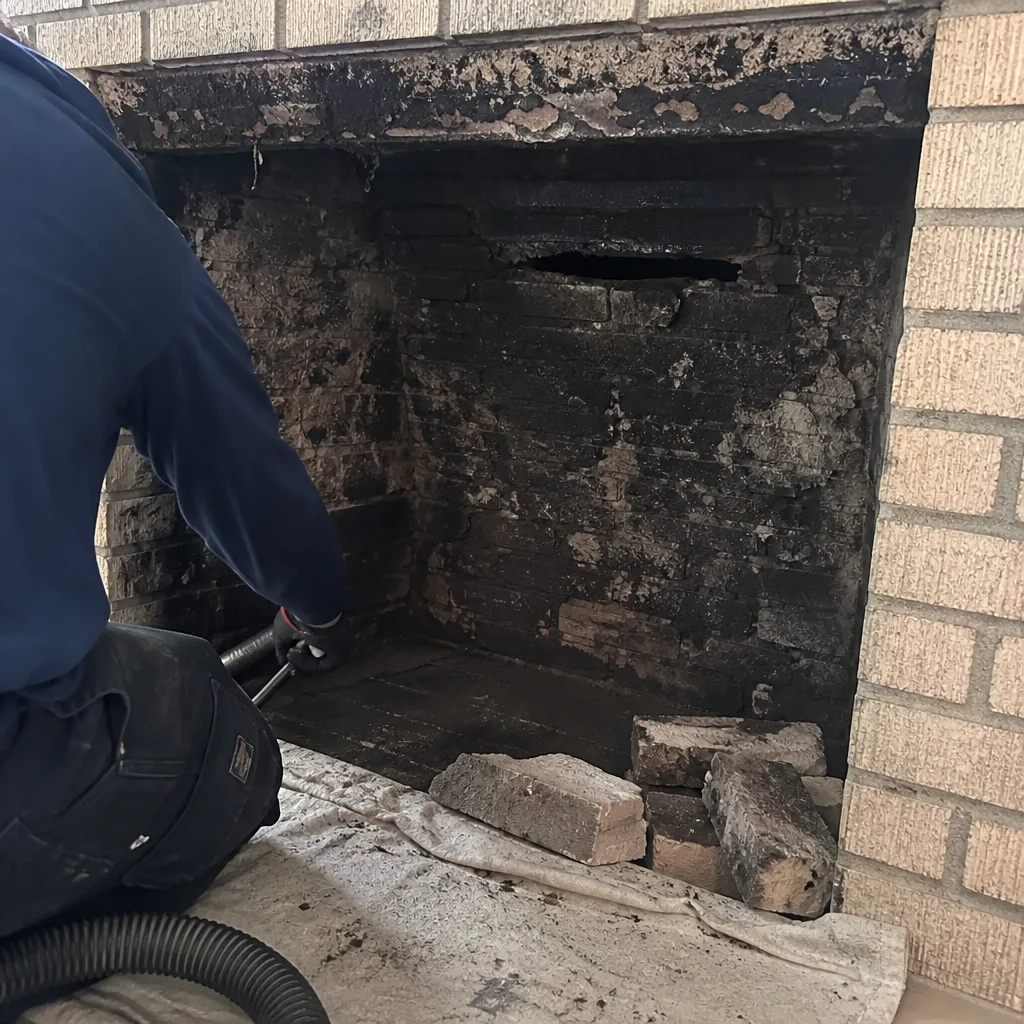 Before
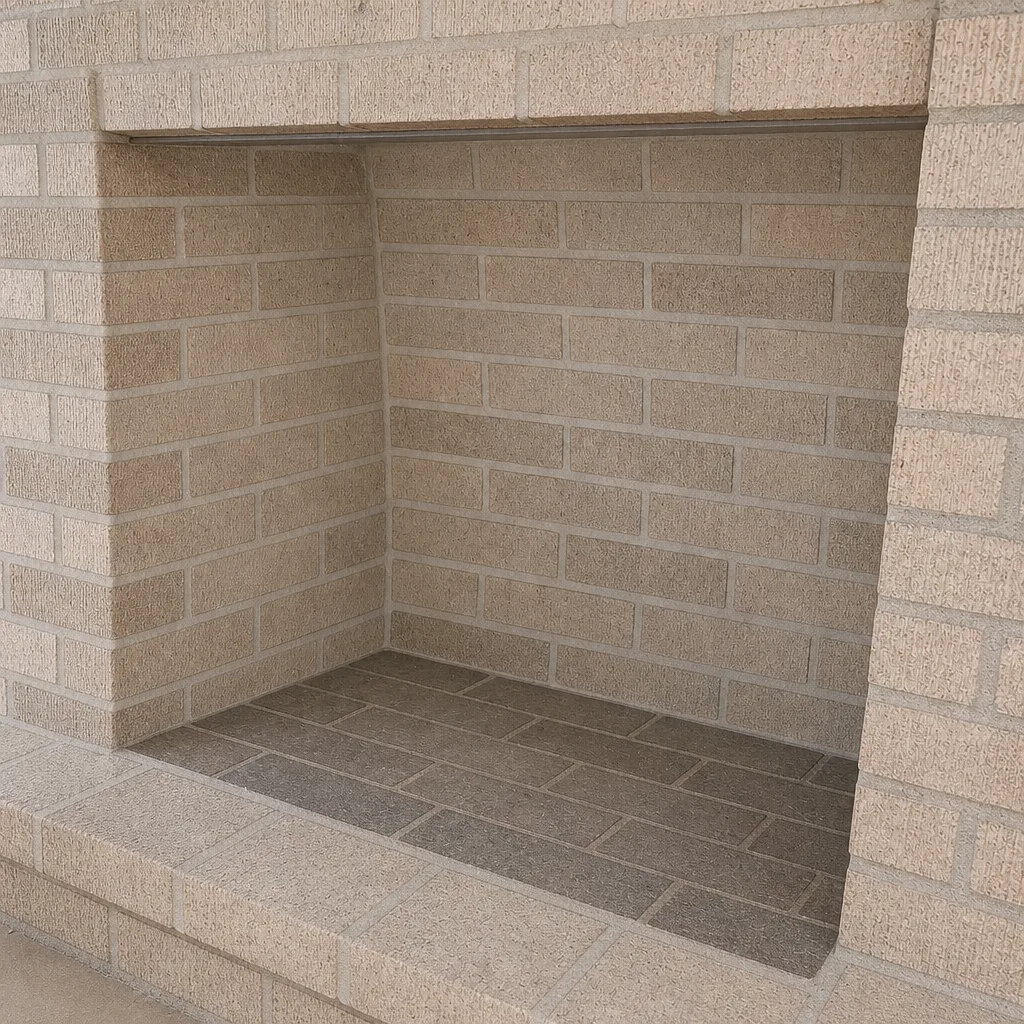 After
When to Call a Professional
Call a professional when the job stops being about soot. That means: you’ve never had the chimney inspected, you’re buying a home with an older fireplace, you see creosote buildup, you smell smoke in the house while burning, the draft is inconsistent, you’ve had animals or debris in the flue, your liner is old or unknown, or you want a documented maintenance record. Also call if you simply don’t know the condition of your flue – that’s the most common reason homeowners schedule a visit, and it’s the right one.
The local professionals we connect you with are licensed and insured as their state requires, and Chimney Sweep East Anaheim offers free estimates in East Anaheim. Call (833) 997-1267. We answer 24/7. Fast dispatch from 7am to 7pm, Sunday through Friday.
Frequently Asked Questions
You can safely brush light soot from an accessible, straight flue between professional visits, but you cannot perform the inspection that determines whether the chimney is safe to use. DIY cleaning is a supplement to professional service, not a replacement, because consumer tools can’t test liner integrity, assess creosote stage, or scope the flue interior. Call (833) 997-1267 for a free estimate on a professional sweep and inspection.
A professional chimney sweep in East Anaheim typically runs $150-$300, and a sweep that includes a full inspection typically runs $250-$450. Those are typical estimates, not set prices; the written estimate sets the final price. The cost includes cleanup, containment, and documentation that a DIY brush kit can’t provide. Call (833) 997-1267 for an exact quote – estimates are free.
Not necessarily. A liner recommendation should always be backed by camera evidence you can see for yourself – cracks, gaps, or separation along the flue run. A light soot buildup doesn’t mean you need a new liner; a compromised liner does. If a professional finds a cracked interior but the liner structure is sound, resurfacing with HeatShield may be the right repair rather than a full reline. Call (833) 997-1267 and ask for the inspection findings before you commit to anything.
Once a year for most households with an active fireplace or wood stove, usually before burning season. Heavier users – several fires a week through the colder months – may need a mid-season sweep as well. The right interval depends on your burning habits and the condition of your flue, which is why the annual inspection matters as much as the sweep itself. Call (833) 997-1267 to book a free estimate.
Creosote accumulates, and at Stage 3 it becomes a combustible fuel source in the flue. A flue fire can damage the liner and spread to framing, and a blocked flue can push carbon monoxide back into the home. These are real risks, not scare tactics – and they’re why an annual inspection is the baseline for any active fireplace. Call (833) 997-1267 if it’s been more than a year since your last sweep.
Yes, in a few specific ways. Forcing a brush through glazed creosote can damage tile, a round brush in an oval flue leaves corners uncleaned, and a shop vacuum without HEPA filtration pushes soot back into the home. More importantly, a DIY clean gives you a false sense of security if it skips the inspection, and a missed defect can become a larger repair. Call (833) 997-1267 for a free estimate before you buy the kit.
The Bottom Line
DIY chimney cleaning can remove soot, and that has real value for a homeowner who wants to keep the firebox clean between professional visits. But it cannot tell you whether your chimney is safe. The inspection is the point – the camera scoping, the creosote stage assessment, the liner integrity check, the documentation – and it’s the part no consumer kit can replace. For East Anaheim homes with older clay tile liners and a long burning season, the annual professional sweep and inspection is the baseline, and DIY is what you do in between. Build the schedule around one professional visit a year, keep up the light maintenance yourself, and call before you burn if anything changes. If you’d like a free estimate or want to know the condition of your flue, call our team today. From firebox to crown, one visit will tell you what you’re working with.
Written by the team at Chimney Sweep East Anaheim.