
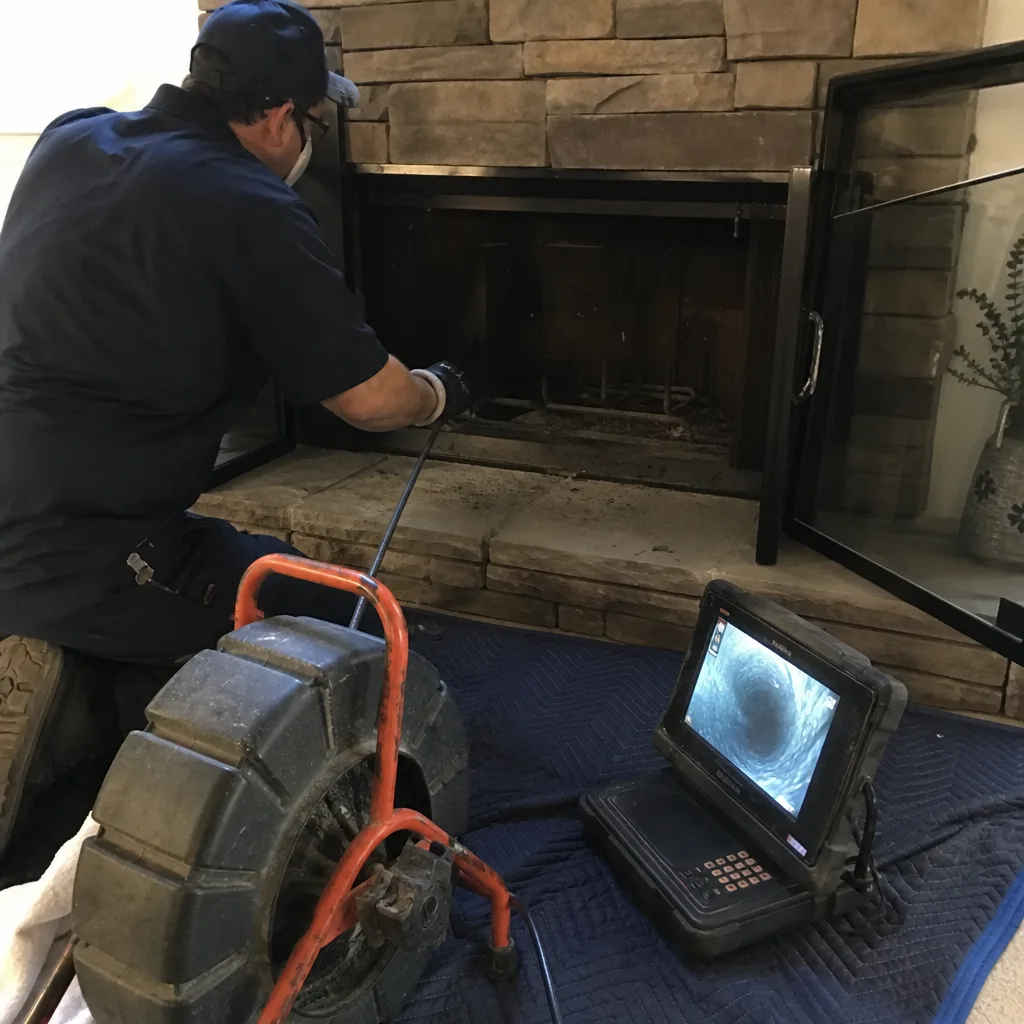
Last updated November 24, 2026
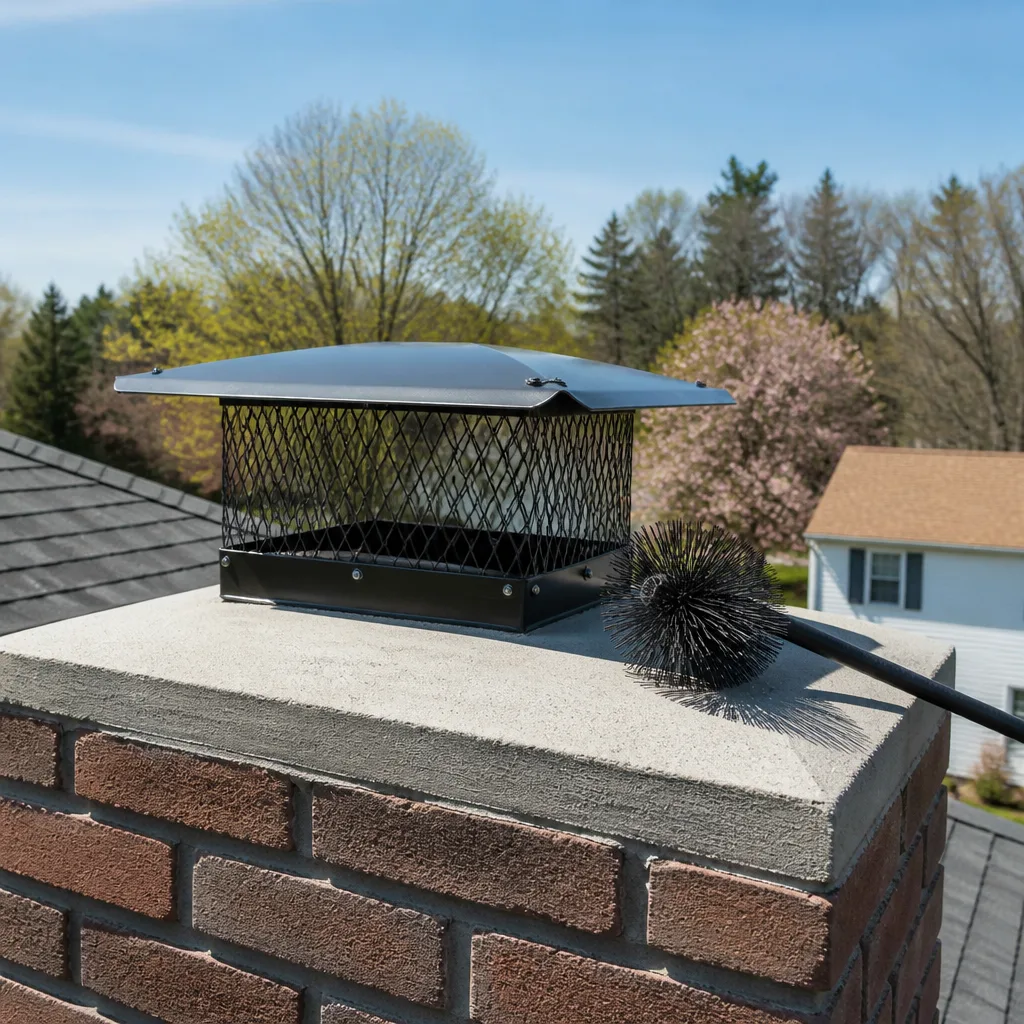 Sweep & inspection
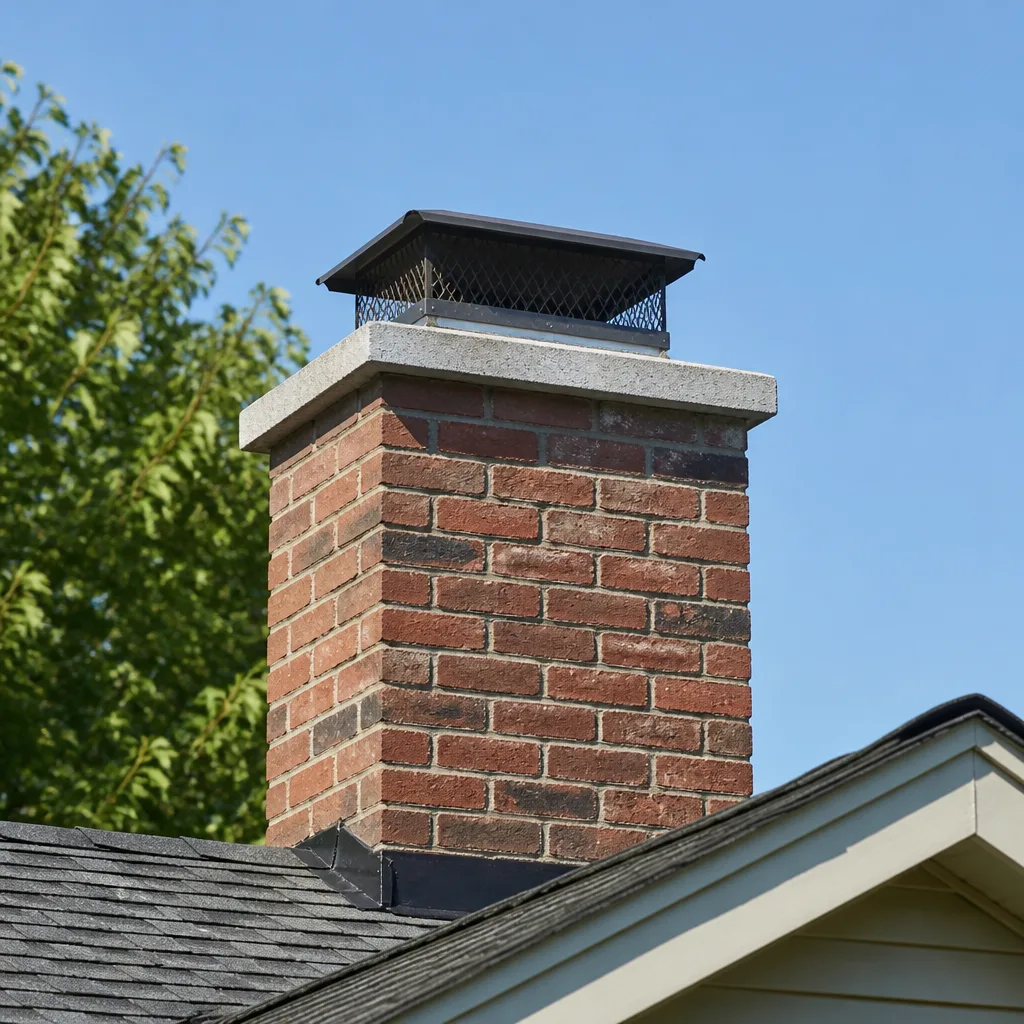 Caps & crowns
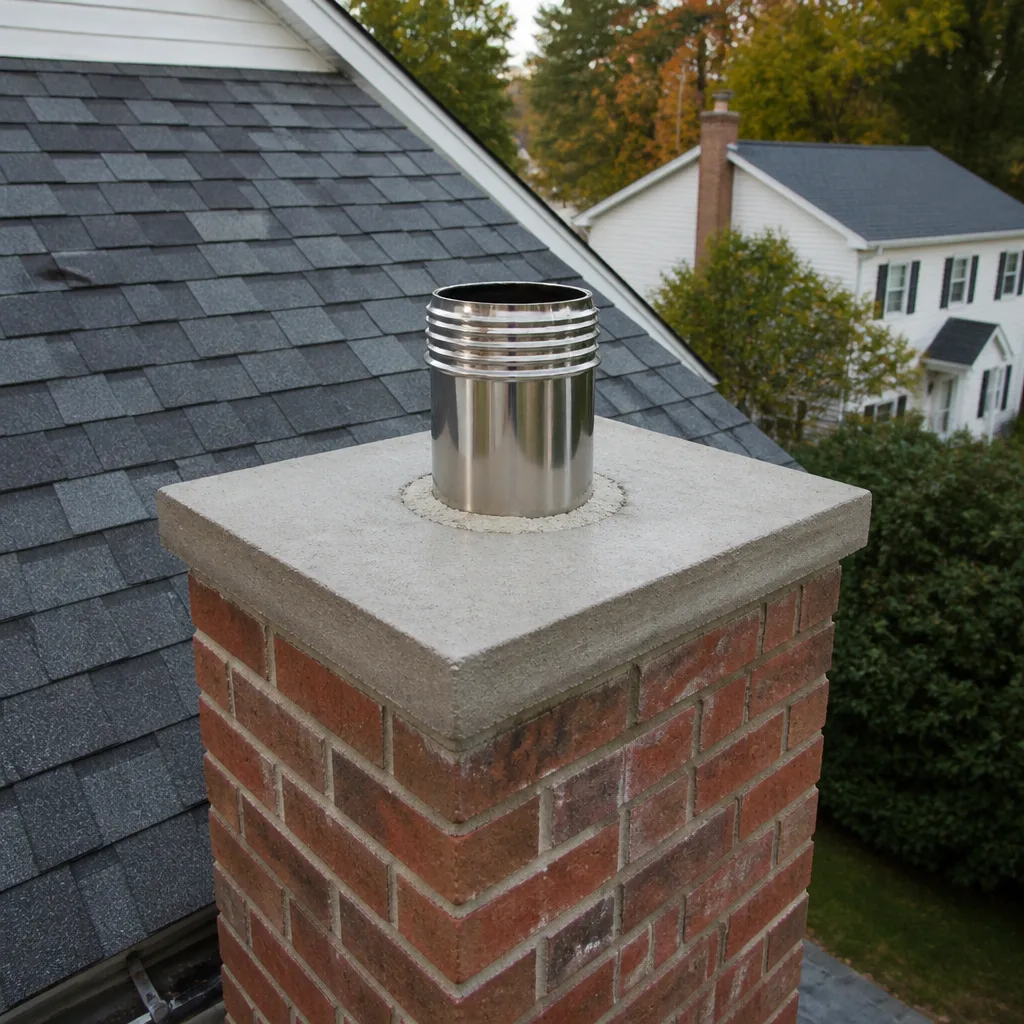 Flue relining
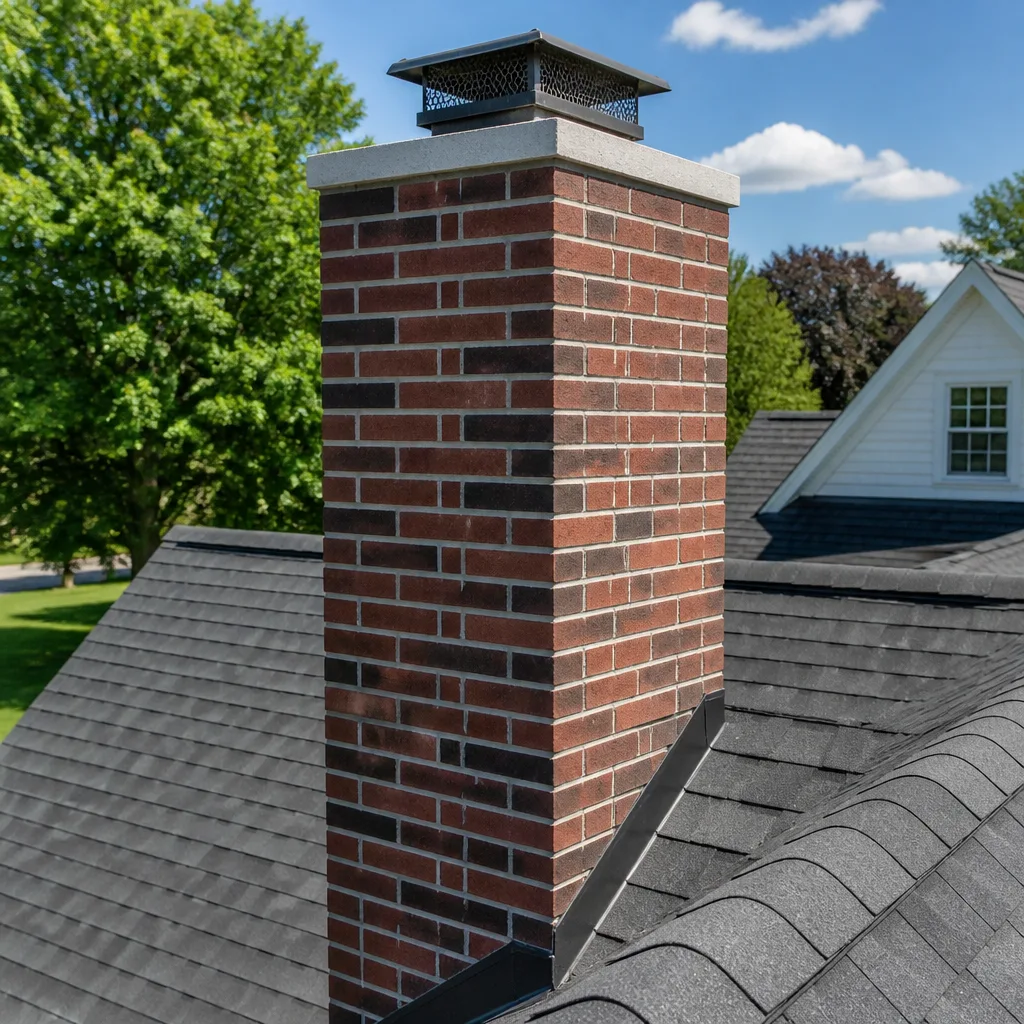 Masonry repair
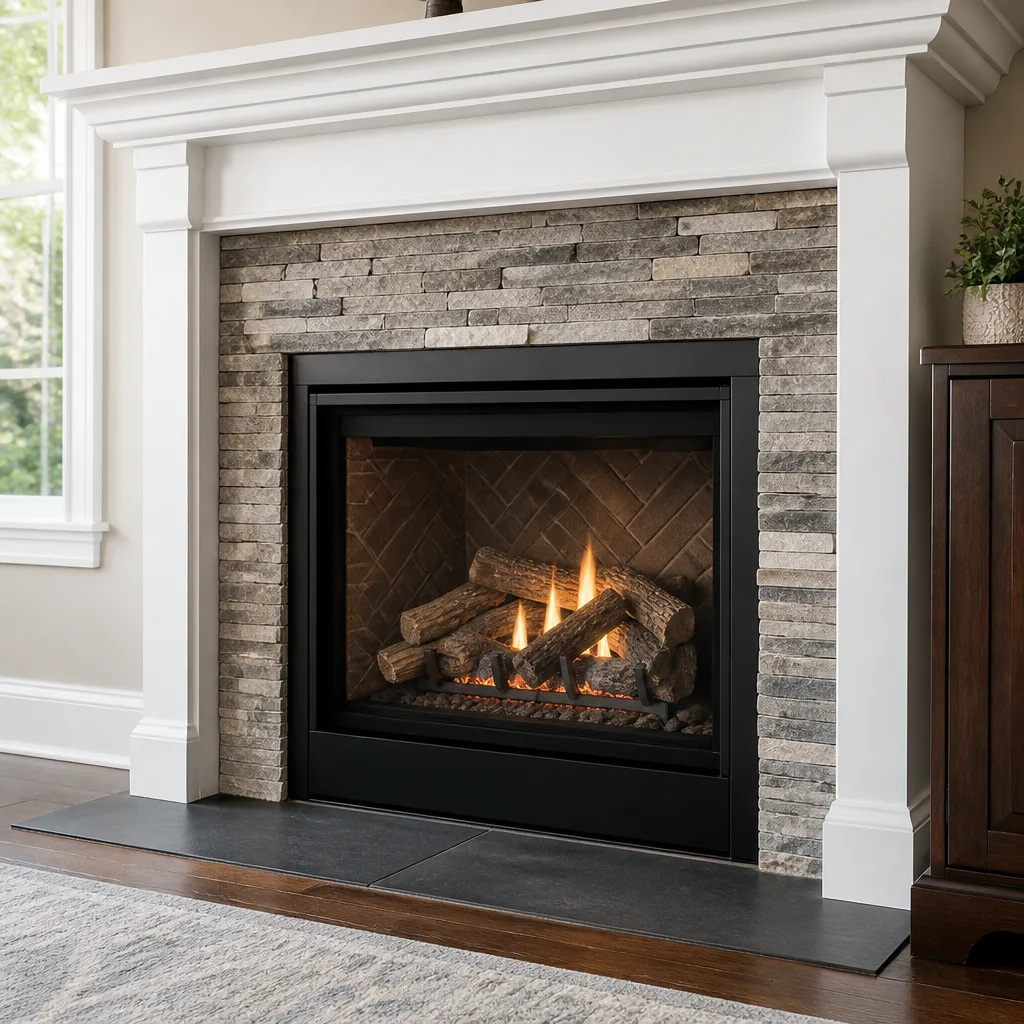 Gas fireplace service
Level 1 sweep and inspection to the NFPA 211 annual standard - flue, crown, cap, and flashing checked and photographed
Chimney sweep logs do not sweep chimneys. They loosen some creosote - which then falls where a brush and vacuum still have to collect it.
How to Hire a Chimney Cleaning Contractor in East Anaheim: A Step-by-Step Guide
Most homeowners think the hard part of hiring a chimney sweep is finding someone who answers the phone. It isn’t. The hard part is telling the difference between a contractor who runs a real diagnostic assessment and one who runs a brush up the flue, hands you a receipt, and leaves the actual problem in place. A $200 cleaning that skips the liner inspection can turn into a $2,000 repair six months later, and the homeowner never sees it coming because nothing “went wrong” on the day of the visit. This guide walks through the questions to ask before you book, how to verify credentials in under ten minutes, what a real proposal itemizes, and the red flags that show up specifically in the Southern California market. By the end you’ll know exactly how to hire a chimney sweep in East Anaheim without getting talked into work you don’t need or missing work you do.
Quick Answer
To hire a chimney cleaning contractor in East Anaheim, verify three things before you book: current CSIA certification, active California contractor license status, and liability insurance you can confirm in writing. Then ask for a written scope of work that separates the sweep from the inspection and names the parts of the system being checked. A legitimate contractor will itemize what’s included, describe how they’ll access the roof, and put the price in writing before anyone shows up.
Styles & brands we work with
- Sweep & inspection
- Caps & crowns
- Flue relining
- Masonry repair
- Gas fireplace service
Table of Contents
- Why CSIA Certification Is the Floor, Not the Ceiling
- The Five Questions to Ask Before You Book
- What a Legitimate Proposal Should Itemize
- How to Verify Credentials in Under 10 Minutes
- Chimney Sweep vs. Chimney Services Contractor
- Red Flags Specific to the Southern California Market
- What East Anaheim Homeowners Should Know About Their Chimneys
- A Step-by-Step Hiring Walkthrough
Why CSIA Certification Is the Floor, Not the Ceiling
CSIA certification matters. The Chimney Safety Institute of America sets a real standard, and a certified sweep has passed an exam and agreed to a code of ethics. But certification is a starting point, not a finish line. There are certified sweeps who still quote jobs without ever accessing the roof, who run residential-grade brushes through flues that need commercial-spec equipment, and who treat “inspection included” as a phrase rather than a process. The credential tells you the person passed a test. It doesn’t tell you how they actually work.
What separates a specification-grade contractor from a certified-but-careless one comes down to practice. In our experience, the difference shows up in three places:
- Roof access. A real assessment includes the top of the chimney, not just the firebox. The crown, the cap, the flashing, and the flue tile at the top are where a lot of problems start, and none of them are visible from the living room.
- Equipment matched to the flue. Brush size and type should match the flue’s interior dimensions and material. One size does not fit all, and a brush that’s too small polishes the creosote instead of removing it.
- Documentation. A contractor who does a real inspection can show you what they found. Photos, a written report, notes on the condition of the liner and the firebox. If the answer to “what did you find?” is a verbal summary, the inspection didn’t happen.
For an East Anaheim home with a wood-burning fireplace that gets used through the cooler months, this distinction matters because the sweep is the moment when hidden damage gets caught. A certified sweep who skips the top of the system is doing half the job. The certification is required. The practice behind it is what you’re actually paying for.
The Five Questions to Ask Before You Book
These five questions separate a visual-only quote from a true diagnostic assessment. Ask them on the phone, before you schedule. A contractor who can answer them clearly is worth a second conversation. A contractor who gets defensive or vague is telling you something.
- “Will you access the roof, and is that included in the price?” The answer should be yes, and it should be in the scope of work. If roof access costs extra or isn’t offered, you’re getting a partial service.
- “What does the inspection actually cover?” Look for a specific list: firebox, damper, smoke chamber, flue liner, crown, cap, and flashing. “We’ll take a look” is not an answer.
- “Will I get a written report with photos?” A real inspection produces documentation. If the report is verbal, you have no record to compare against next year.
- “Are you CSIA certified, and can you give me your certification number?” The number lets you verify it yourself. A contractor who hesitates here is a problem.
- “If you find damage, who does the repair?” If the answer is “we do,” follow up with what brands and materials they work with. If the answer is “we’ll refer you,” you’ll be hiring a second contractor and paying for a second visit.
The last question is the one most homeowners skip, and it’s the one that saves the most money. A sweep who can only clean will always hand you a referral when they find a cracked crown or a failing liner. A contractor who can both diagnose and repair closes the loop. That’s why we handle inspection and repair under the same roof, working with liner and resurfacing brands like HeatShield and DuraFlex so the fix matches the finding.
What a Legitimate Proposal Should Itemize
A real chimney cleaning proposal is short but specific. It should name what’s being done, where, with what, and for how much. If you can’t tell from the document what the contractor will physically do on the day, the proposal isn’t finished. Here’s what should be in it, and what should never be missing.
What a legitimate proposal itemizes:
- The sweep itself: which flue, which appliance (fireplace, wood stove, insert), and the method used.
- The inspection: the specific components checked, and confirmation that roof access is included.
- The report: whether you’ll receive photos and a written summary, and when.
- Any recommended repair, separated from the cleaning price so you can see the two line items clearly.
- The price, stated as a flat number for the job described, with the written estimate as the final word.
Omissions that are red flags:
- No mention of the inspection at all, or “inspection included” with no detail on what it covers.
- No roof access listed, which means the top of your chimney isn’t being evaluated.
- A price quoted before anyone has seen the chimney, with no adjustment language for what’s actually found.
- Repair recommendations bundled into the cleaning price with no breakdown.
- No written scope at all, just a phone quote and a promise to “take care of it.”
We give a flat price for the sweep, agreed before booking, and anything beyond that is quoted from what the camera and inspection actually show. A legitimate contractor in East Anaheim will do the same, because the alternative is a number pulled out of the air that either overcharges you or leaves the contractor cutting corners to hit it.
How to Verify Credentials in Under 10 Minutes
You can confirm the three credentials that matter in less time than it takes to brew a pot of coffee. Do it before you book, not after. Here’s the sequence.
- Check CSIA certification (2 minutes). The CSIA maintains a searchable list of certified sweeps. Search the contractor’s name. If they’re not listed, they’re not currently certified, regardless of what the website says.
- Check California contractor license status (3 minutes). The Contractors State License Board runs a public lookup. Search by license number or business name. Confirm the license is active, in the right classification for chimney work, and not suspended or expired.
- Ask for a certificate of insurance (3 minutes). Request it in writing before the visit. The certificate should show general liability coverage and name the insured business. If the contractor can’t produce one, don’t book. A chimney sweep working on a roof without liability coverage leaves you exposed if something goes wrong.
- Confirm the business name matches (2 minutes). The name on the license, the insurance certificate, and the proposal should be the same. Mismatches are a sign you’re dealing with a subcontractor arrangement you didn’t agree to.
Ten minutes of checking beats a season of wondering. The local pro you connect with through us is licensed and insured as California requires, and we’ll point you to the same public lookup tools if you want to verify independently. That’s how it should work. A contractor who’s confident in their credentials won’t mind you checking.
Chimney Sweep vs. Chimney Services Contractor
These sound like the same thing. They aren’t. A chimney sweep cleans. A chimney services contractor cleans, inspects, diagnoses, and repairs. The distinction matters most for homes that might need work, which in East Anaheim means most homes with a chimney more than a decade old.
A sweep-only operation arrives with brushes and a vacuum. They remove creosote from the flue, check that the damper opens and closes, and leave. If they find a cracked crown, a deteriorated liner, or a cap that’s come loose, they hand you a business card for someone else. You pay for the cleaning, then pay again for the assessment from a different contractor, then pay a third time for the repair. Three visits, three invoices, and no single person who has seen the whole system.
A chimney services contractor arrives with the same cleaning equipment plus inspection tools, and can quote repairs from what they find. The sweep and the diagnostic happen in one visit. If the fix is a new cap from a manufacturer like Gelco or a resurfaced liner using HeatShield, the same contractor can do it, which means the person recommending the work is the person who looked at it.
For an East Anaheim home that’s been through a couple of ownership changes, this matters more than it sounds. Older chimneys often have layered problems: a liner that was fine twenty years ago, a crown that’s been slowly cracking, a cap that was never installed. A sweep-only contractor sees none of it. A full-services contractor maps the whole system and gives you a plan. That’s why our Chimney Sweep East Anaheim service is built around inspection as part of the model, not an add-on.
Red Flags Specific to the Southern California Market
Some hiring problems are universal. Others show up more in Southern California, where the housing stock is older, the climate is dry, and the market has attracted a lot of contractors who specialize in upselling rather than diagnosing. These are the red flags we hear about most from East Anaheim homeowners.
- High-pressure waterproofing upsell. Waterproofing a chimney crown or masonry is legitimate work, but it should follow an inspection that shows the need. A contractor who leads with a waterproofing pitch before anyone has been on the roof is selling, not diagnosing. The same goes for sealant packages offered as a default add-on to every cleaning.
- Vague “inspection included” language. This phrase appears on a lot of websites and means almost nothing. Ask what the inspection covers and whether it produces a report. If the answer is fuzzy, the inspection is a glance.
- No written scope of work. In a market where quotes are often given by phone and confirmed verbally, the absence of a written scope is a real problem. It leaves you with no record of what was agreed, and no way to hold anyone to it.
- Same-day pressure on repairs. Dry Southern California weather means chimney damage doesn’t usually require immediate action. A contractor who insists the liner must be replaced today, before you’ve had a chance to review the findings, is pushing. Ask for the photos and for a written quote you can read.
- Prices that swing wildly between quotes. If one contractor quotes a fraction of another for what’s described as the same work, ask what’s missing. It’s usually the inspection, the roof access, or the report.
- No brand names. A contractor who can’t tell you what liner or cap system they install is probably installing whatever’s cheapest that week. Specification-grade work involves brands like Copperfield, Olympia Chimney, Famco, Gelco, DuraFlex, and HeatShield, each used for its specific application.
None of these red flags mean the contractor is dishonest. Most mean they’re doing a shallower version of the work than you need. The fix is the same either way: ask for the written scope, ask for the photos, and don’t let a phone quote stand in for an inspection.
What East Anaheim Homeowners Should Know About Their Chimneys
East Anaheim chimneys sit in a specific environment, and that environment shapes what they need. Winters here are mild, which means fireplaces get used in bursts rather than continuously, and creosote can build up between burns in ways that a cold-climate homeowner would notice faster. The dry air most of the year also affects masonry, which expands and contracts through warm days and cooler nights. Cracks in a crown or a mortar joint that would be obvious in a wetter climate can sit unnoticed here for years.
The housing stock matters too. East Anaheim has a wide range of homes, from mid-century builds to newer construction, and the chimneys vary accordingly. An older home may have a clay tile liner that’s reached the end of its service life, or a firebox that’s been patched more than once. A newer home may have a factory-built system with its own inspection requirements. Neither is a problem in itself, but each needs a contractor who can read the system and recommend the right fix rather than a generic one.
What this means practically: when you hire a sweep in East Anaheim, ask whether they can handle both the cleaning and whatever the inspection turns up. If the answer is no, you’ll be hiring twice. Our chimney sweep service is built to feed directly into assessment and repair so the findings don’t get lost between contractors. And if the inspection turns up a cap or crown issue, the chimney cap & crown work is handled by the same team, which means the fix happens in the same conversation as the diagnosis.
A Step-by-Step Hiring Walkthrough
Here’s the full sequence, from first search to signed scope. Follow it in order and you’ll avoid most of the problems in this guide.
- Start with a search that includes “inspection.” A contractor who advertises sweeping alone is telling you what they do. Look for one whose service description includes inspection, repair, and cap or crown work.
- Ask the five questions. Roof access, inspection scope, written report, CSIA number, and who does the repair. Do this on the first call.
- Verify credentials. CSIA lookup, California license lookup, insurance certificate. Ten minutes, before booking.
- Get the written scope. Confirm the proposal itemizes the sweep, the inspection, the report, and any repair quote separately.
- Book the visit and be present for the findings. Ask to see the photos. A contractor who did a real inspection will have them and will walk you through what they show.
- Decide on repairs with the evidence in hand. If the finding is a worn cap, a cracked crown, or a liner that needs resurfacing, ask what material is being used and why. A resurfaced liner using HeatShield or a flexible liner like DuraFlex should come with a clear explanation of why that system fits your flue.
- Put the repair in writing too. Same standard as the cleaning: flat price, scope of work, and a written estimate before anything is ordered.
For the fireplace side of the system, the same logic applies. If the inspection turns up a firebox or damper issue, fireplace repair should be quoted from what’s actually found, not from a phone estimate. The point of the whole sequence is that decisions get made on evidence, not on pressure.
Common Mistakes to Avoid
- Booking on price alone. The lowest quote is often the one that skips the inspection or the roof access. Ask what’s missing before you compare, because a $150 cleaning and a $250 cleaning aren’t the same service.
- Accepting “inspection included” without detail. This phrase is everywhere in East Anaheim listings. Ask what components it covers and whether it produces a written report. If it doesn’t, it’s not an inspection.
- Skipping the insurance check. A chimney sweep on your roof without liability coverage is a risk you’re carrying. Ask for the certificate before the visit, not after.
- Hiring a sweep-only contractor for an older chimney. If your home is more than a decade old or you’ve never had the liner looked at, you want a contractor who can repair what they find. Sweep-only means a second hire and a second fee.
- Letting a phone quote stand in for a written scope. In this market, verbal quotes are common and hard to enforce. Get it in writing, with the price and the scope on the same page.
- Ignoring the top of the chimney. The crown and cap are where weather damage starts, and they’re invisible from the ground. Confirm roof access is part of the visit.
- Treating a repair recommendation as urgent by default. Dry Southern California weather means most chimney repairs can wait for you to review the photos and get a second opinion. No legitimate contractor will object to that.
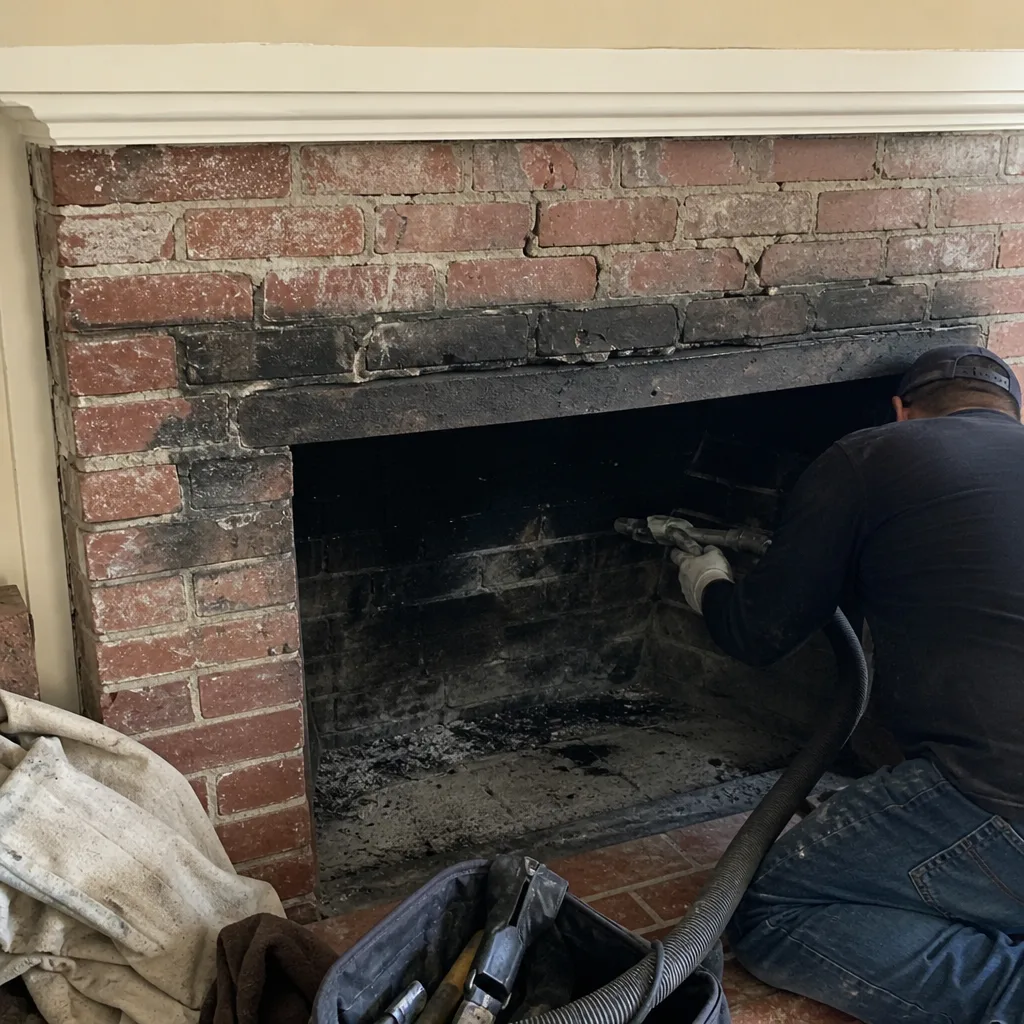
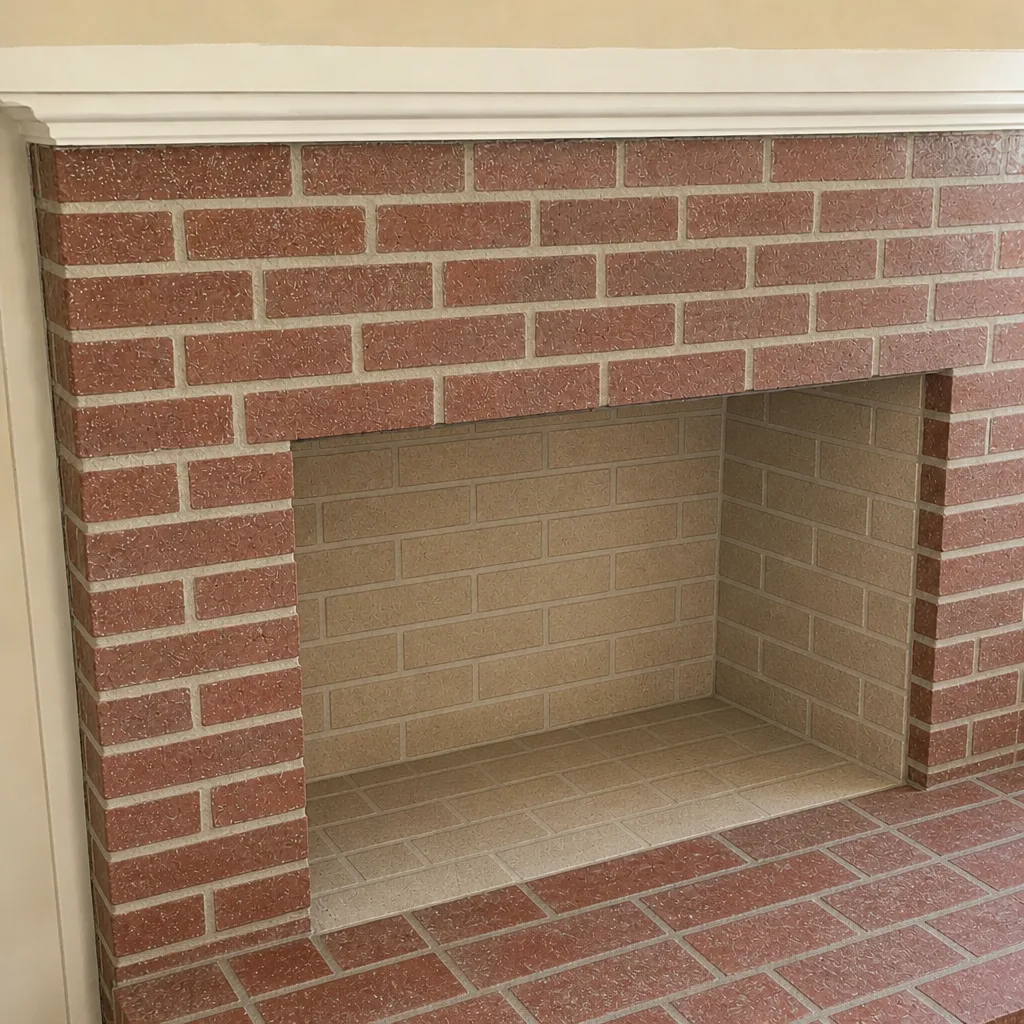
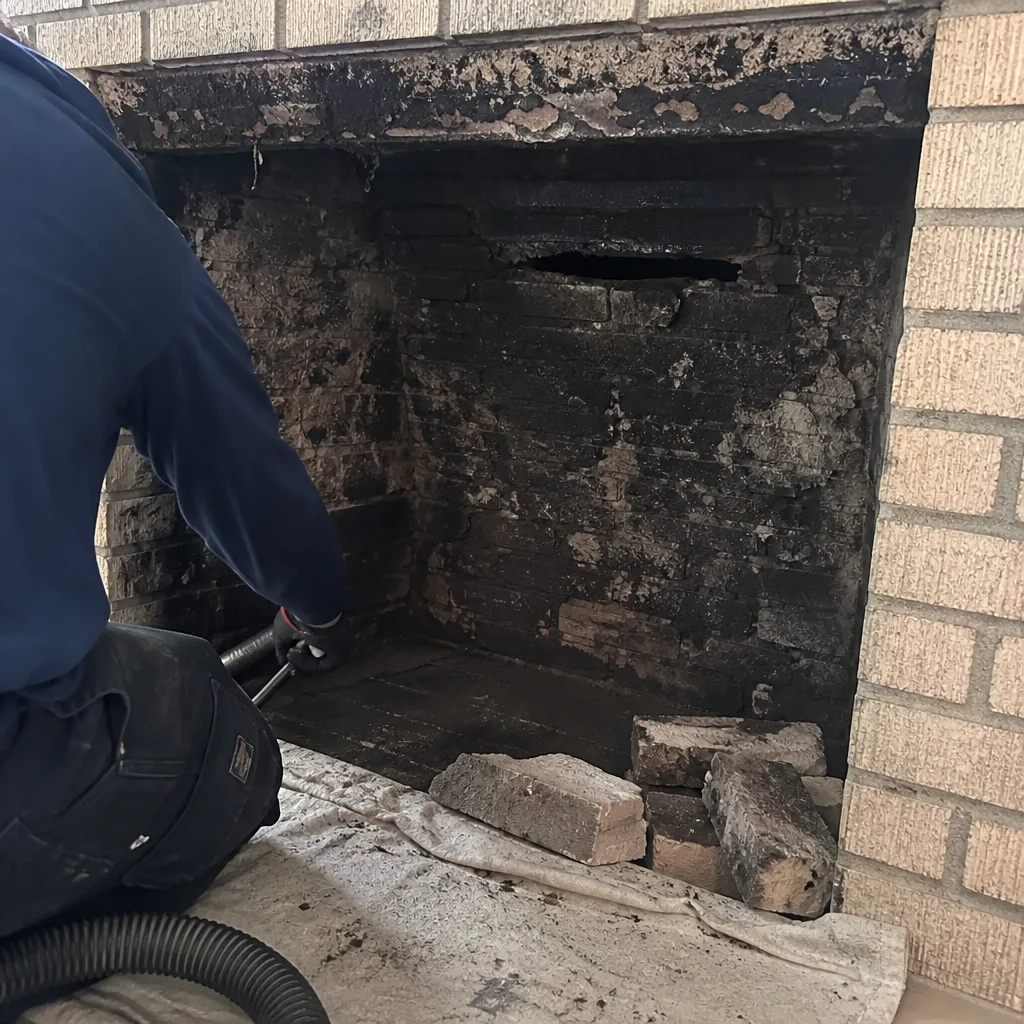
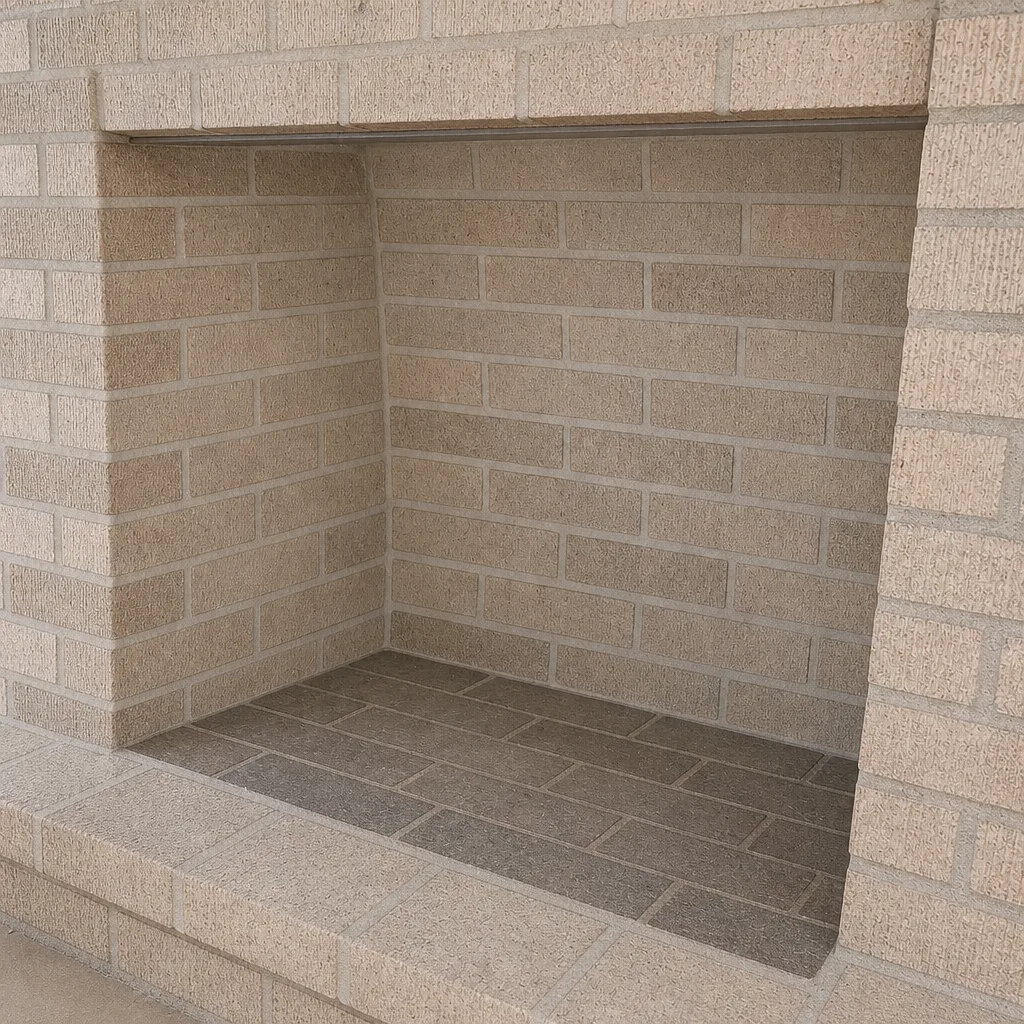
See the difference
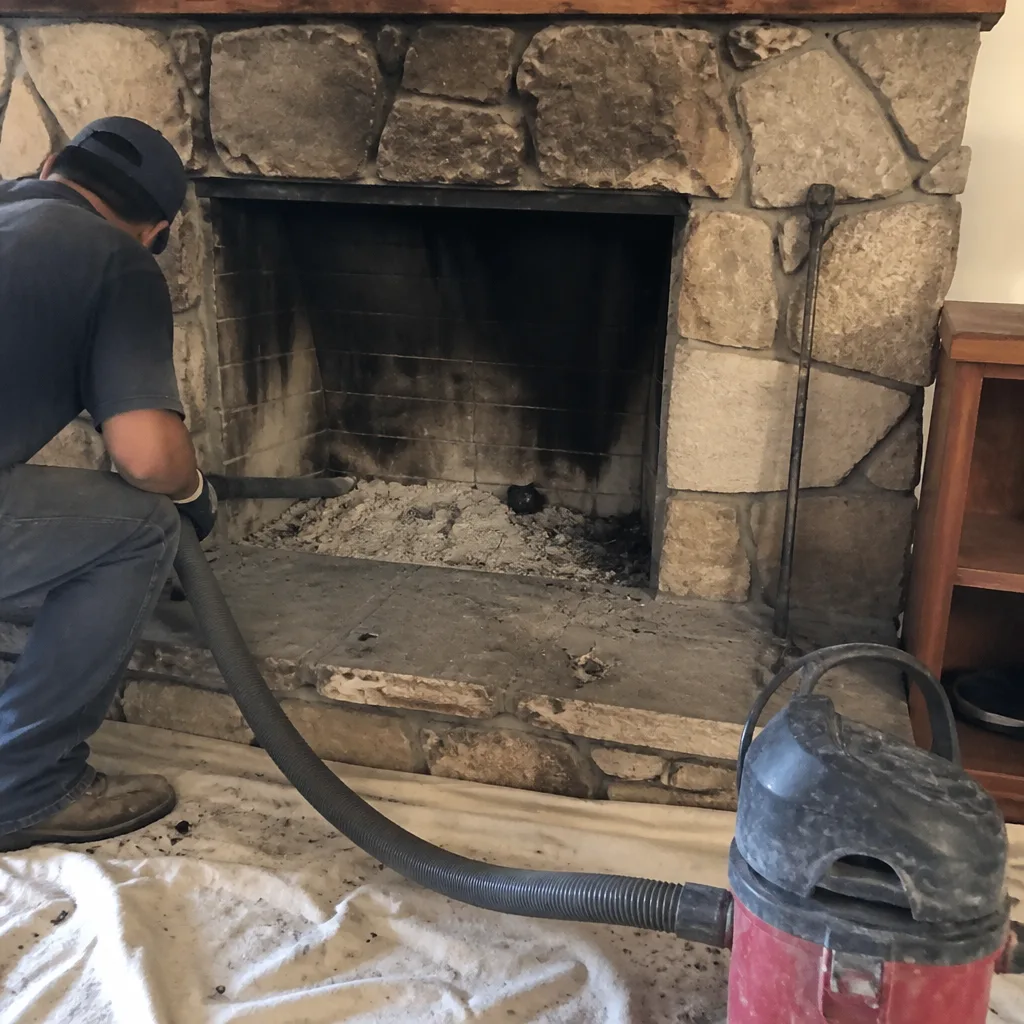 Before
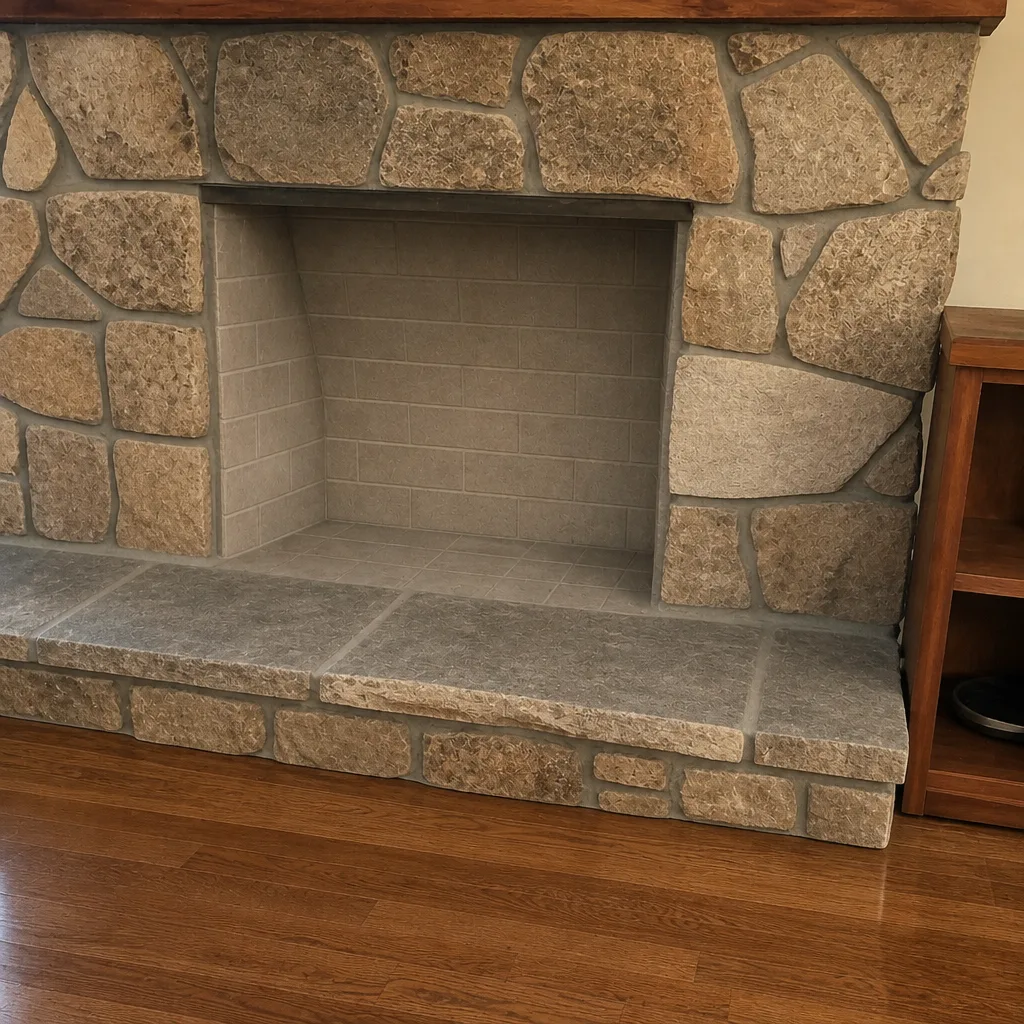 After
 Before
 After
 Before
 After
When to Call a Professional
Some chimney issues are clear from inside the house. Others only show up on the roof. Call a professional if you smell smoke in the room when the fireplace is running, if the damper won’t open or close smoothly, if you see staining on the chimney exterior or the ceiling near it, or if it’s been more than a year since the last sweep and you burn regularly. Call sooner if you’ve just bought the home and don’t have a record of the last inspection, or if a home inspector flagged anything about the chimney during the purchase. A professional assessment is the only way to know whether a symptom is minor or the start of something bigger.
Chimney Sweep East Anaheim offers free estimates in East Anaheim. Call (833) 997-1267. We answer 24/7. Fast dispatch from 7am to 7pm, Sunday through Friday.
Frequently Asked Questions
Chimney cleaning in East Anaheim typically runs in the low-to-mid hundreds for a standard sweep on a single flue, with the exact price set by the written estimate for your specific chimney. The range depends on the flue configuration, whether the roof is easily accessed, and whether the visit includes a full inspection report. Call (833) 997-1267 for an exact quote: estimates are free.
Only if the inspection shows the existing liner is cracked, deteriorated, or the wrong size for the appliance. A failed liner is a real hazard because it lets heat and combustion gases reach the structure around the chimney, but “failed” should be a finding with evidence behind it, not a phone diagnosis. Ask to see the camera footage or photos before you agree to a reline. If the liner is sound, a repair using a system like HeatShield may be an option worth asking about. Call (833) 997-1267 and we’ll walk you through what the inspection shows.
Once a year for a fireplace that’s used regularly, and more often if you burn a lot of wood or notice creosote buildup on the flue walls. In East Anaheim, where fireplaces get used in bursts through the cooler months rather than continuously, an annual sweep before the burning season is the standard. If you’ve moved into a home and don’t know when the chimney was last swept, treat the first year as overdue. Call (833) 997-1267 to book an assessment.
Creosote builds up on the flue walls, and at sufficient thickness it can ignite, which is how chimney fires start. The other risk is carbon monoxide: a blocked or damaged flue can let combustion gases back into the living space. Neither outcome is common, and neither is worth gambling on when an annual sweep catches both. Skipping also means small problems like a cracked crown or a loose cap go unfixed until they get expensive. Call (833) 997-1267 for a free estimate before the season starts.
A chimney sweep cleans the flue. A chimney services contractor cleans, inspects, diagnoses, and repairs. In East Anaheim, where a lot of the housing stock is old enough to have liner and crown issues, the difference decides whether you hire once or three times. Ask before you book which one you’re calling.
Some will, which is why the guide above puts so much weight on evidence. A legitimate contractor shows you the photos from the camera inspection, explains what they show, and separates the repair quote from the cleaning price so you can decide on your own timeline. If a recommendation comes without visual evidence, ask for it before agreeing. Call (833) 997-1267 and we’ll show you what we find before we recommend anything.
The Bottom Line
Hiring a chimney cleaning contractor in East Anaheim comes down to four checks: verify CSIA certification and California license status, confirm liability insurance in writing, insist on a written scope that separates the sweep from the inspection, and hire someone who can repair what they find so you’re not paying three contractors for one problem. The red flags in this market are the waterproofing upsell, the vague “inspection included” language, and the phone quote with no written scope. None of them are hard to spot once you know what you’re looking for. The goal isn’t the cheapest sweep. It’s the one that catches the problems before they get expensive.
Chimney Sweep East Anaheim works with specification-grade materials from brands like DuraFlex, HeatShield, Gelco, and Copperfield, and handles the whole system from the firebox to the crown. Call (833) 997-1267 for a free estimate. We answer 24/7. Fast dispatch from 7am to 7pm, Sunday through Friday.
Written by the team at Chimney Sweep East Anaheim.