
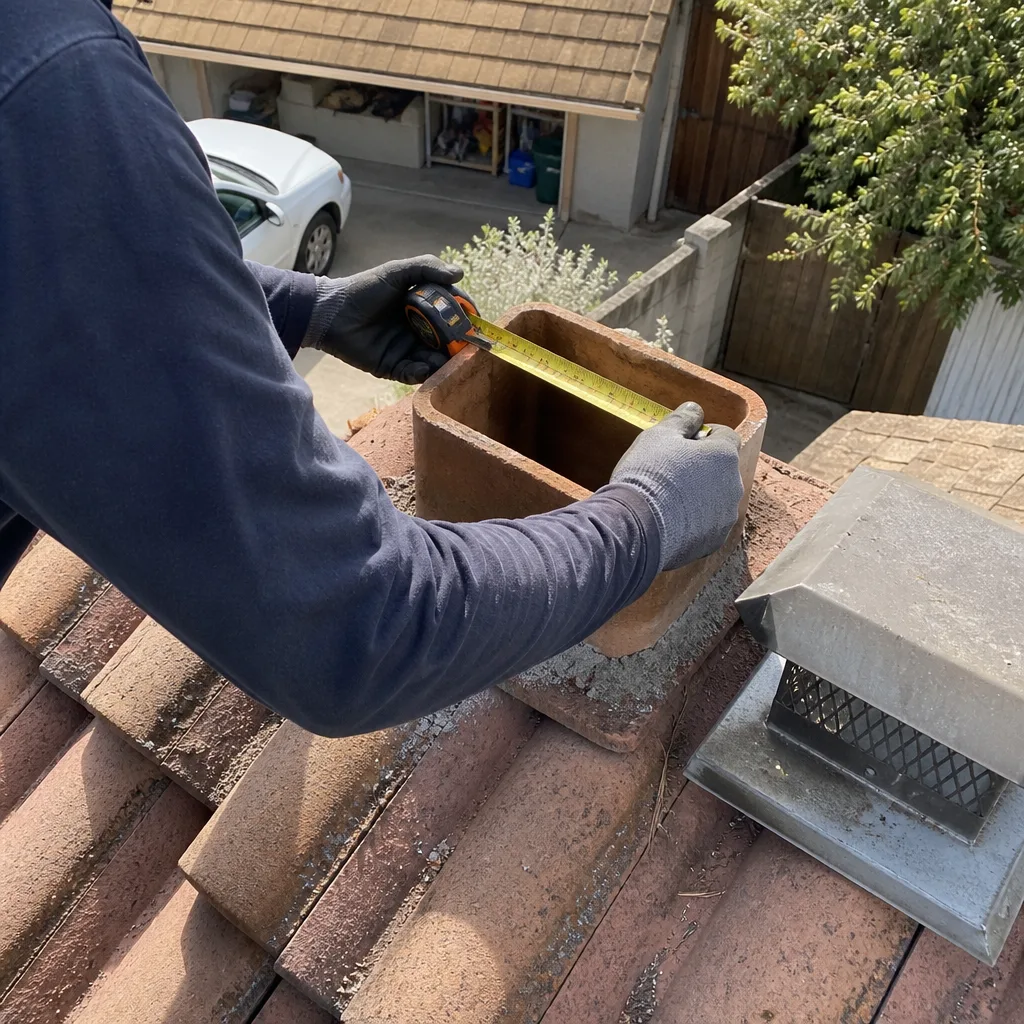
Last updated November 24, 2026
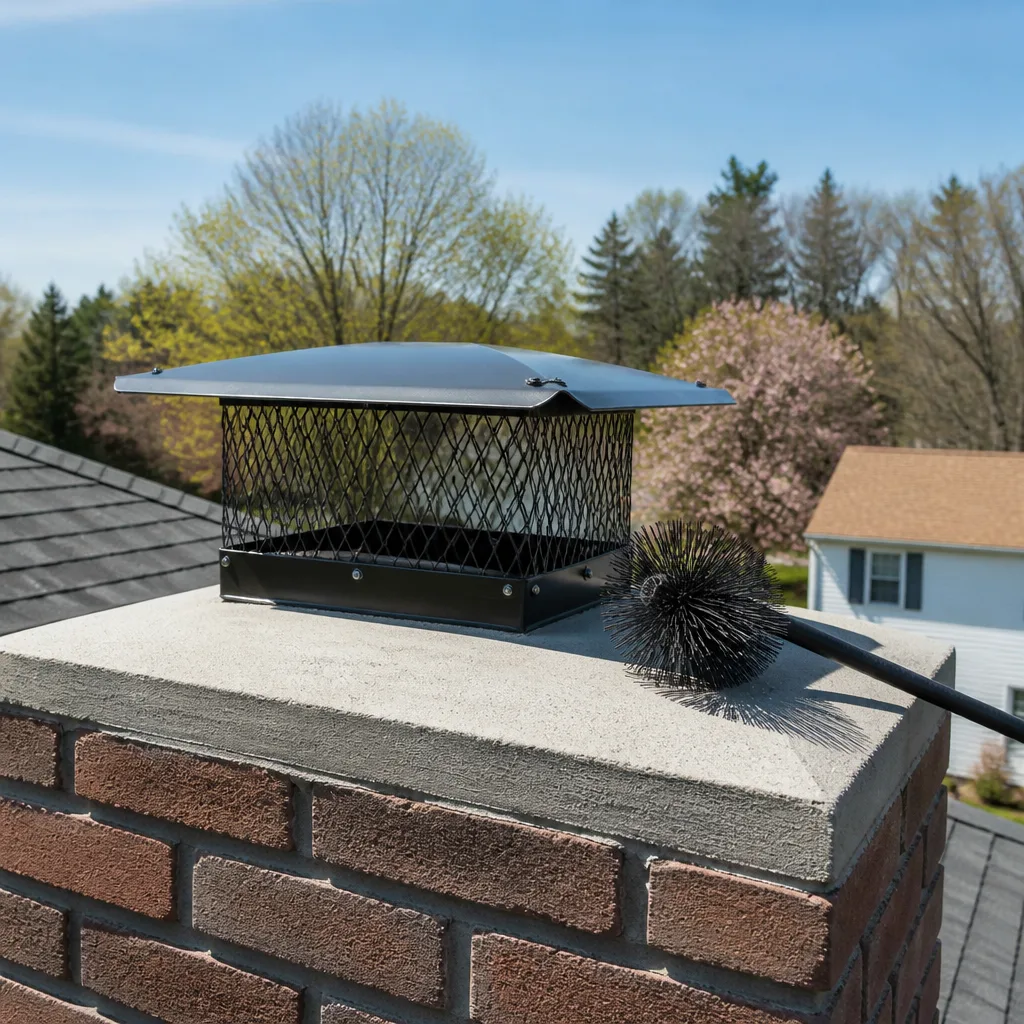 Sweep & inspection
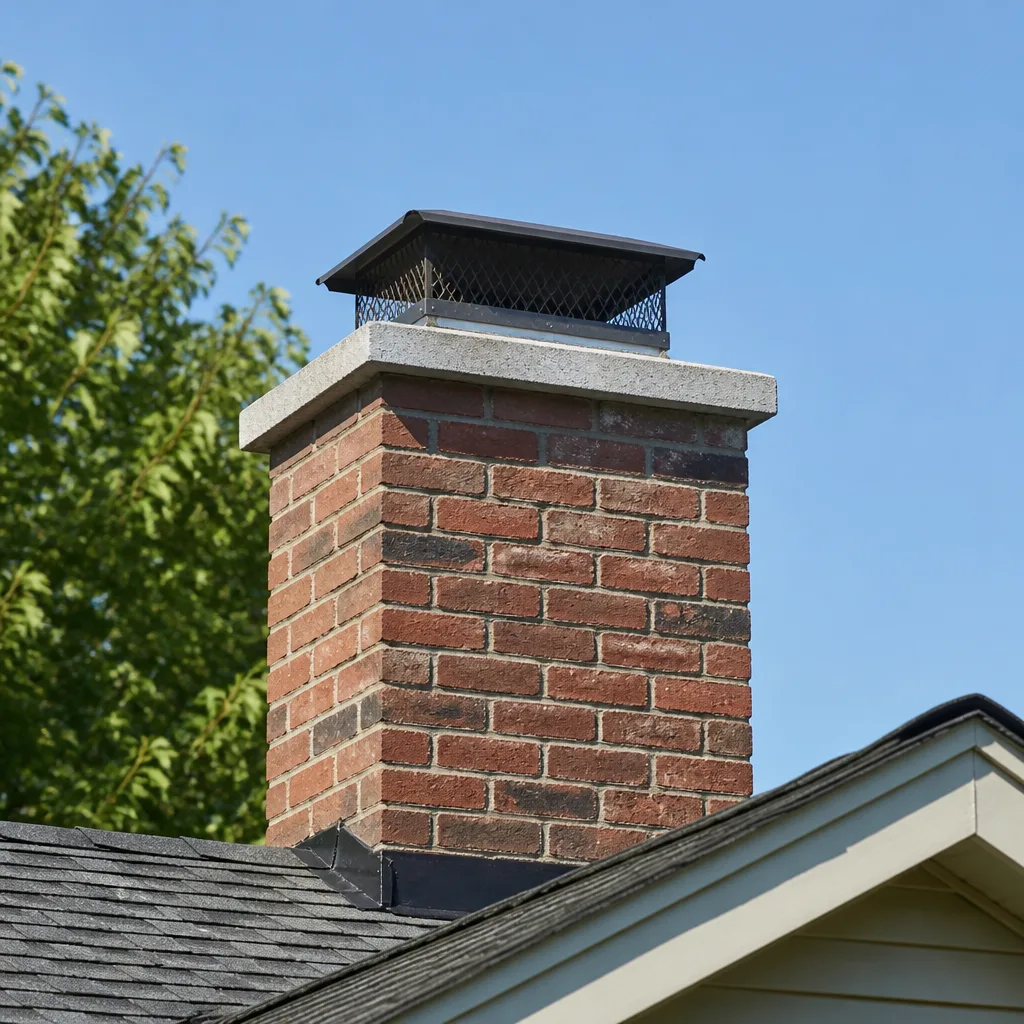 Caps & crowns
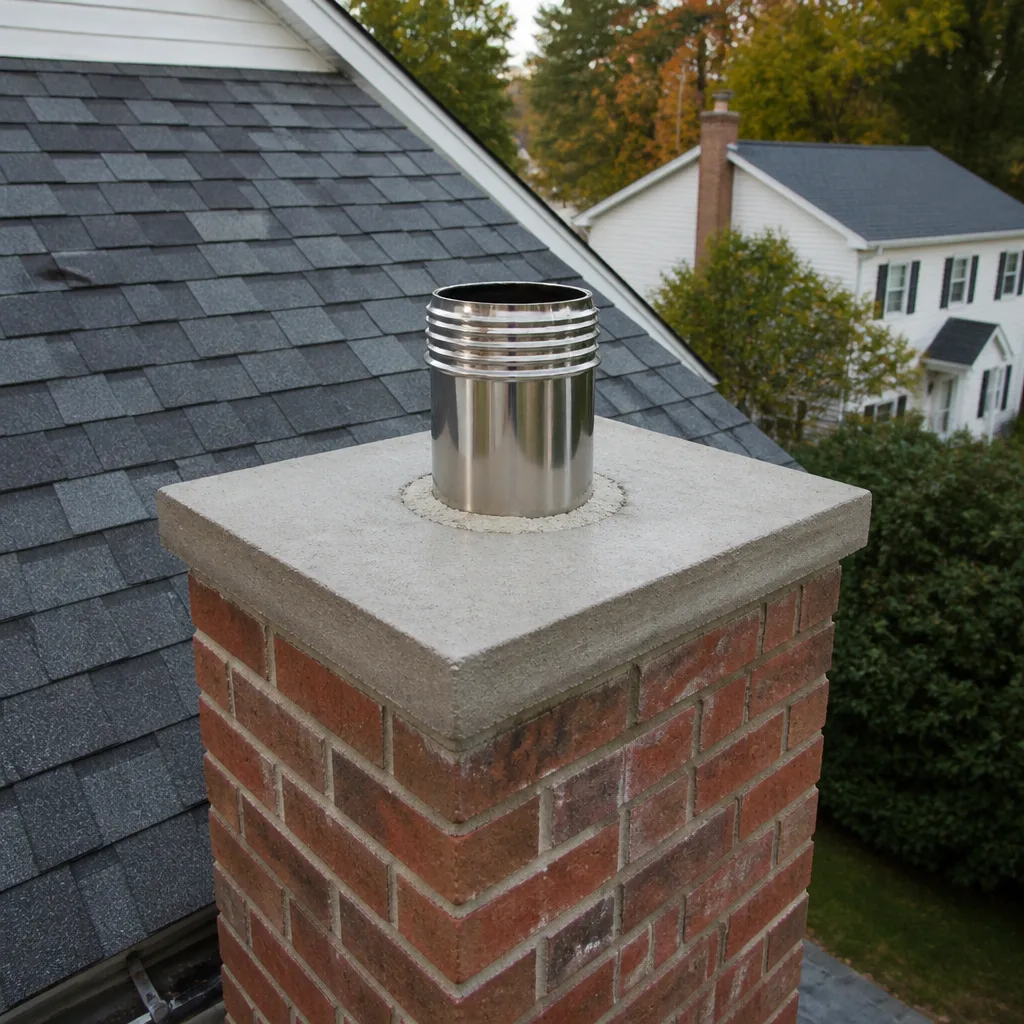 Flue relining
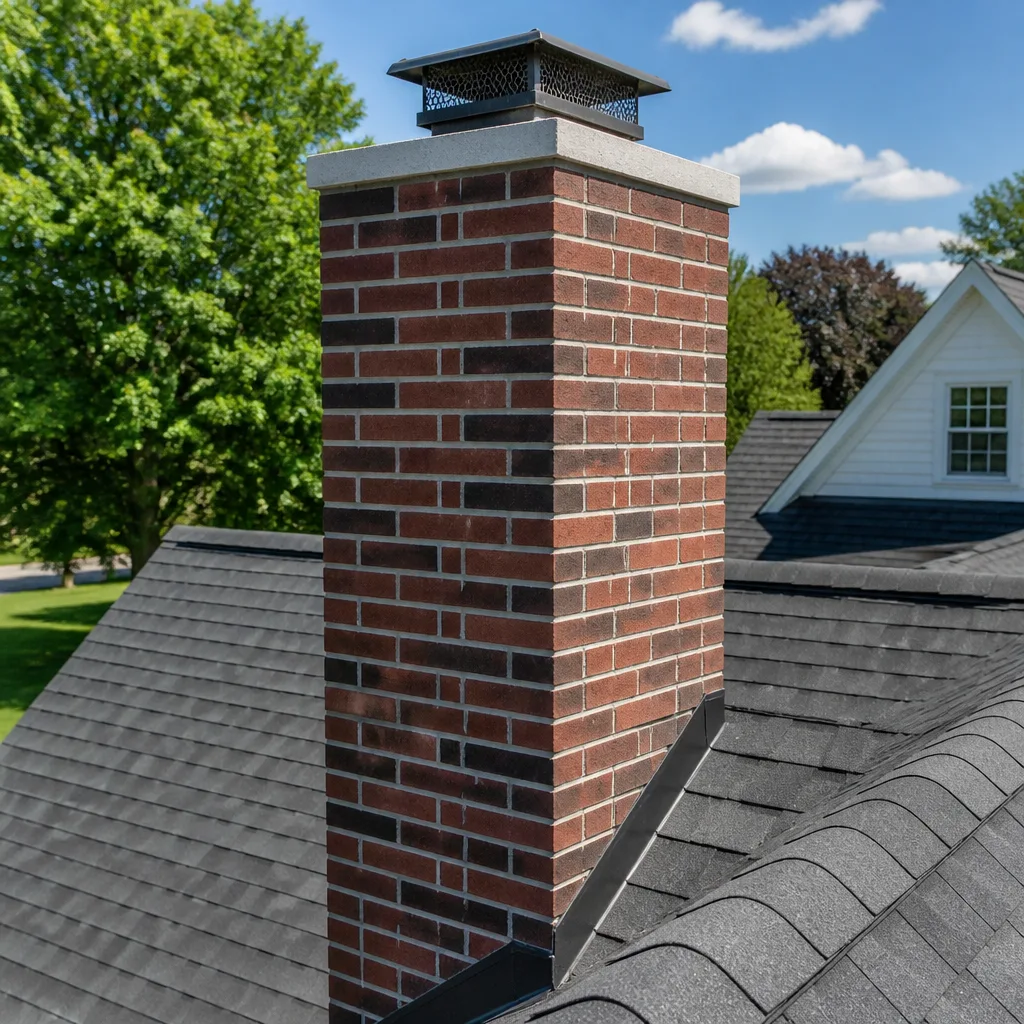 Masonry repair
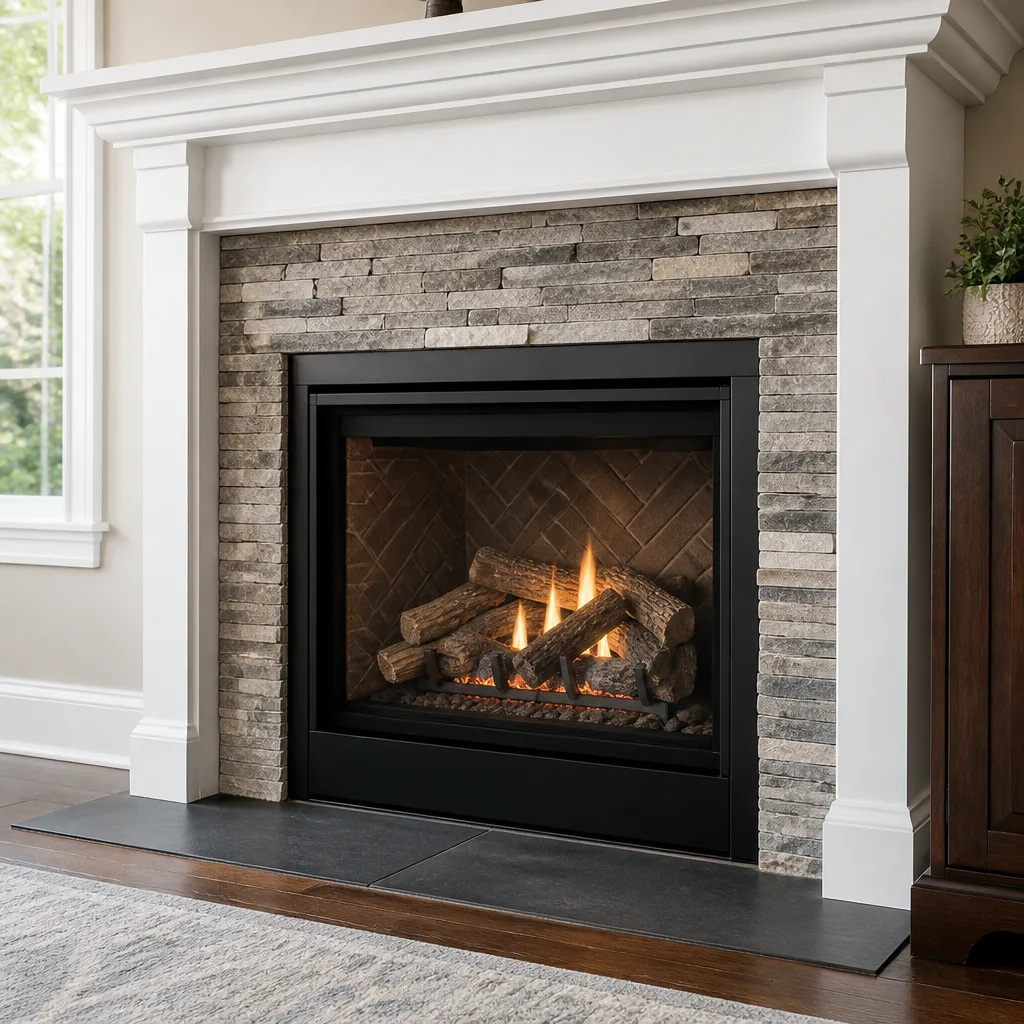 Gas fireplace service
Level 1 sweep and inspection to the NFPA 211 annual standard - flue, crown, cap, and flashing checked and photographed
Chimney sweep logs do not sweep chimneys. They loosen some creosote - which then falls where a brush and vacuum still have to collect it.
Chimney Cleaning Warning Signs: An East Anaheim Homeowner’s Reference Guide
A white haze on the fireplace brick face isn’t a staining problem. It’s efflorescence, and it means water is already moving through your masonry from the outside in. That single visual tells a trained sweep more about a chimney’s condition than any customer complaint ever could. Most of the warning signs that matter in East Anaheim are like that: quiet, easy to explain away, and nothing like the dramatic chimney-fire footage people picture. By the time a sign becomes obvious, the repair has usually moved from cleaning to rebuilding. This guide covers the seven visual indicators you can check from inside your home, how to read what your nose is telling you, why gas fireplaces fail differently than wood, and which signs mean book a sweep this week versus shut the fireplace down right now.
Quick Answer
Call for a chimney inspection when you see any of these: a white mineral haze on the brick, soot flakes dropping onto the hearth, creosote buildup thicker than a quarter inch, dark staining above the firebox, a smoky odor even when the fireplace is cold, or smoke spilling back into the room instead of up the flue. Any of those means the chimney needs a professional assessment, and a few of them mean you should stop burning entirely until someone has looked at it.
Styles & brands we work with
- Sweep & inspection
- Caps & crowns
- Flue relining
- Masonry repair
- Gas fireplace service
Table of Contents
- The Seven Visual Indicators You Can Check From Inside
- Odor Diagnostics: Creosote, Animals, or Water?
- Draft and Smoke Performance Changes
- Why Gas Fireplace Warning Signs Are Completely Different
- Same-Week Signs vs. Stop-Burning-Now Signs
- How Often a Chimney in East Anaheim Actually Needs Sweeping
- What the East Anaheim Climate Does to Your Chimney
- Common Mistakes to Avoid
- When to Call a Professional
The Seven Visual Indicators You Can Check From Inside
You don’t need to get on the roof to catch most chimney problems early. These seven signs are visible from the living room, the firebox, or the hearth, and each one points to a specific condition worth investigating. Walk through them before burning season starts, not after your first fire of the year.
- White mineral haze on the brick face. This is efflorescence, and it’s the single most useful sign in this guide. A powdery white bloom on the fireplace brick means water is migrating through the masonry and pushing mineral salts to the surface as it evaporates. It points to a failing crown, failed flashing, or an uncapped flue letting rain in. A chimney sweep chimney cap & crown inspection is usually the first stop, because the fix is almost always at the top.
- Dark staining above the firebox. Black streaks creeping up the brick or stone above the opening mean smoke has been escaping the firebox and hitting the face instead of traveling up the flue. That’s a draft problem or a damaged smoke chamber, not just cosmetic.
- Creosote buildup you can see and measure. Look up the flue with a flashlight. Creosote appears as a crusty, flaky, or tarry deposit. If it’s thicker than about a quarter inch, that’s a cleaning trigger. Glazed, shiny, rock-hard creosote is the most flammable stage and needs professional attention, never a homeowner scraping at it.
- Soot flakes falling onto the hearth. Puffs of black soot drifting down when you open the damper or on a windy day mean the flue is loaded and airflow is disturbed. It’s one of the clearest “time to sweep” signals there is.
- A smoky, glassy film on the firebox glass or doors. If your fireplace has glass doors, a persistent dull film that comes back quickly after cleaning means incomplete combustion and a draft problem.
- Cracks or gaps in the firebox brick or mortar joints. Hairline cracks in the firebox liner let heat reach the surrounding structure. This is a repair signal, not a cleaning one, and it’s common in older East Anaheim homes with original masonry.
- A rusted or stiff damper. If the damper won’t open fully, sticks, or is rusted, airflow is compromised and moisture is getting in from above. A damper that won’t stay open is a sign, not a nuisance.
Make a habit of a quick check through this list once a year, ideally in early autumn before the first burn. A photograph of each area taken the same time each year gives you a baseline, so you can spot changes like a spreading efflorescence bloom or darkening brick before they become expensive. Our technicians have up to 9 years of experience reading exactly these signs, and we take photos for the same reason: a record beats a memory.
Odor Diagnostics: Creosote, Animals, or Water?
Most chimney odors fall into three categories, and each points to a different remedy. Learning to tell them apart by the smell and the timing saves you from booking repair work you don’t need, or skipping work you do.
- Creosote smell: a sharp, acrid, smoky odor that gets stronger on warm, humid days and when the fireplace has been unused for a while. It comes from deposits inside the flue off-gassing. The fix is a sweep, followed by a proper cap to keep airflow and moisture balanced.
- Animal intrusion odor: a musty, ammonia-like, or distinctly “wild” smell, sometimes with scratching or chirping. Birds, squirrels, and other animals get into uncapped flues constantly. A cap is the first line of defense, and the flue needs a sweep afterward to clear nesting material, which is flammable.
- Water intrusion / mildew: a damp, musty, “wet basement” smell after rain, often paired with efflorescence or rust on the damper. This is water entry through a failed crown, flashing, or an open top. It’s a repair signal, and it will get worse every rainy season until the seal is fixed.
In East Anaheim, the timing of the smell is a clue in itself. If the odor spikes right after the first rain of the season, it’s almost always water intrusion. If it appears after a long dry stretch of disuse, it’s typically creosote or a blocked flue. If it’s present year-round and worse at dusk, suspect animals.
What each smell tells you about cleaning versus repair
- Cleaning-only: a straightforward creosote smell with visible but normal buildup and no water staining. A standard sweep resolves it.
- Cleaning plus repair: any smell paired with efflorescence, rust, a damaged crown, or cracked flashing. The odor won’t stay gone until the source of the water or animal entry is sealed off.
- Investigation-first: a strong odor with no obvious cause, or a smell you can’t place. This is where a full inspection earns its keep.
One caution on the animal front: don’t light a fire to “burn out” a nest. Nesting material is highly flammable and a blocked or partially blocked flue can produce a dangerous fire or force smoke and carbon monoxide back into the room. Clear the flue professionally first.
Draft and Smoke Performance Changes
If smoke rolls out of the fireplace instead of going up the flue, or if starting a fire has gotten harder than it used to be, the chimney is telling you something structural has changed. California’s interior valleys, including East Anaheim, sit in a climate where the indoor-outdoor temperature difference is often small, and a chimney’s draft depends on that difference. On mild days the stack has less “pull,” so a chimney that’s even slightly compromised can back-puff when a healthy one wouldn’t.
The three performance signs to watch
- Back-puffing: smoke or flame puffs back into the room in bursts. Often caused by a partially blocked flue, a flue that’s undersized for the firebox, or a neighboring structure or roofline that changes airflow. In mild, low-pressure conditions this is more common than homeowners expect.
- Slow ignition and a lazy fire: if your fires take longer to catch and burn weakly, the flue isn’t pulling. A dirty flue, a stuck damper, or a disconnected flue liner could each be responsible.
- Smoke rollout when the door is open: a serious sign. It can indicate a blocked flue, a failed liner, or a pressure imbalance in the house itself. Give the house air (don’t run a strong exhaust fan with a fire going) and get the flue checked.
What you can check yourself, and what you shouldn’t
You can check whether the damper opens fully, whether there’s obvious debris, and whether a window in the room is cracked (a good cheap comparison test). You should not investigate the flue interior or the roof yourself. Flue and chimney interior work around creosote and soot is real inspection territory, and the flue liner or connected vent must be handled by a trained professional. If a draft problem turns out to be a failing liner, that’s a relining job, not a cleaning job.
When a flue has cracked or offset tiles, the typical professional fix is a stainless flexible liner. DuraFlex is one of the brands we use for those reline jobs precisely because it handles the irregular, non-standard flue shapes common in older masonry. For other interior liner issues, HeatShield ceramic resurfacing can restore a worn flue without a full reline. Both are repair-tier fixes that sweep-and-run operations don’t carry.
Why Gas Fireplace Warning Signs Are Completely Different
Everything above is written for wood-burning fireplaces and stoves. If you have a gas log set, vented or ventless, or a gas insert, the warning signs change entirely, and one of them is a genuine safety stop.
Gas fireplace signs to watch
- A smell of gas when the burner is off. That’s a gas leak. Stop, ventilate, and get professional help immediately. This is not a “watch it for a while” sign.
- Lazy, uneven, or yellow-orange flames. A healthy gas log fire should burn with a steady, mostly blue base and clean flame pattern. Yellow-tipping, lifting, or uneven flames can mean a venting or combustion problem.
- Soot on the logs or glass. Gas fireplaces shouldn’t produce much soot. Soot appearing on the logs or a heavy black film on the glass means the burner or venting is out of adjustment.
- A strange smell with no gas warning. A burnt or dusty smell at first use is often just dust burning off, but a persistent smell can point to soot buildup in the venting.
- Excess moisture, fogging glass, or a stuffy room. In a vent-free unit this can point to a combustion problem. In a vented gas insert, it can point to a blocked vent.
Why a gas log crew won’t charge for a “sweep”
Gas fireplaces don’t produce creosote the way wood does, so a gas fireplace service is typically a cleaning and inspection of the burner, logs, glass, and venting, not a traditional chimney sweep. Anyone quoting you a standard wood-pipe sweep for a gas log set is either confused about the appliance or selling you something you don’t need. If your gas fireplace has warning signs, ask for an inspection that specifically covers the gas appliance and its vent. That’s why we keep inspection built into the business model: the right diagnosis comes before the service, every time.
Same-Week Signs vs. Stop-Burning-Now Signs
Not every warning sign has the same urgency. Some mean book an appointment this week; a smaller set mean shut the fireplace down until someone has looked at it. Getting this distinction right is the difference between preventive care and an avoidable hazard.
Book a same-week appointment
- Creosote thicker than about a quarter inch, or any visible glazed creosote
- Soot falling onto the hearth
- White efflorescence on the fireplace brick
- A persistent smoky or musty smell even when the fireplace is cold
- Slow ignition, lazy fires, or occasional mild back-puffing on calm days
- A damper that sticks or won’t fully open
Stop burning and call now
- A smell of gas anywhere near a gas fireplace, or a gas odor with the burner off
- Smoke spilling heavily into the room and not clearing
- Visible cracks or crumbling in the firebox or the flue tiles behind it
- Any sign that fire has escaped a liner, or the sound of creosote actively burning inside a flue
- Carbon monoxide detector alarms going off near a fireplace
- A damaged or loose chimney cap that’s blocking the flue or has come off entirely
On carbon monoxide specifically: the danger is real and has two faces. The first is a chimney fire, where creosote in the flue ignites. The second is carbon monoxide leaking back into the home, usually from a blocked or damaged flue. A carbon monoxide alarm near the fireplace is not a nuisance, it’s a safety system. Don’t disable it. If it goes off, stop using the fireplace and call for help.
One clarification on timing. The urgency here is seasonal, not hourly. The worst time to need a sweep is the week the first cold snap hits, and that’s exactly when everyone calls. Getting the inspection done before burning season means a real appointment, not a scramble. Call (833) 997-1267. We answer 24/7. Fast dispatch from 7am to 7pm, Sunday through Friday. And a note on scheduling: we’re closed Saturday, so a fire that fails on a Saturday gets booked into the next opening.
How Often a Chimney in East Anaheim Actually Needs Sweeping
The standard answer is annual inspection, with sweeping as needed. But “as needed” is doing a lot of work there, and the right interval depends on how you burn.
- Heavy users: if you burn frequently through the cooler months, inspect and sweep more often. For wood-burning fireplaces, the general industry guidance is about once a year, and frequent burners should have it checked more often.
- Light or occasional users: an annual inspection is still the baseline, because problems often come from water intrusion and physical damage, not just creosote.
- After any structural event: a damaged cap, a windblown downspout, or any sign of water entry is a reason to inspect regardless of when the last sweep was.
- Before you burn anything for the first time in a season: a quick look. If you bought the house recently, get a full inspection before your first fire.
Our technicians have up to 9 years of experience with this, and one pattern holds: homeowners who skip an annual check often find out about a small problem the expensive way, when a small crown crack has turned into a saturated masonry or liner replacement. Built to last, not patched to pass.
What the East Anaheim Climate Does to Your Chimney
East Anaheim’s weather doesn’t come with hard winters, but it has its own chimney pressures, and they’re easy to underestimate. Winters here are mild, so many homeowners burn inconsistently: a fire one weekend, nothing the next, then a long stretch of disuse. That pattern is actually harder on a chimney than steady burning. Creosote deposits sit and harden, moisture from morning damp works its way into masonry, and the flue doesn’t get the routine air movement that keeps it dry.
The mild climate also means low temperature differentials. A chimney drafts because it’s warmer inside the flue than out, and when outdoor temps are close to indoor temps, the pressure that pulls smoke upward is weak. That’s why East Anaheim homeowners sometimes get back-puffing on a gray afternoon while a neighbor in a colder climate never would. It’s a real local reason to keep the flue clean and the cap in good shape.
What that means for your maintenance plan
- Check for efflorescence and water stains after the rainy season, not just before winter.
- Get the crown, cap, and flashing inspected as part of every annual check. In a mild climate these water-blocking parts do most of the work keeping a chimney sound.
- Don’t skip the annual inspection because “we hardly used it.” Disuse is a condition too.
- If your home is older, with original masonry, pay extra attention to liner soundness and the smoke chamber.
The top of the chimney is where water wins. A well-fitted cap and sound crown from brands like Gelco and Copperfield, plus proper flashing, keep the whole system dry, and dry masonry means fewer repairs down the line. That’s why we treat cap and crown work as part of the annual picture, not an upsell.
Common Mistakes to Avoid
- Treating white efflorescence as a stain to scrub. Cleaning the face hides the message. The white haze means water is getting in from above, so the fix belongs at the crown and flashing, not at the broom.
- Burning a fire to burn off creosote. A hot fire can ignite a creosote deposit or force smoke and carbon monoxide into the house. Creosote is removed by sweeping, not by force.
- Skipping the inspection when the sweep is “just a cleaning.” A cleaning without an inspection misses cracked flues and water entry. We keep inspection built into every job so hidden hazards don’t get missed.
- Assuming a gas fireplace has the same maintenance as wood. It doesn’t. Gas appliances need a different inspection and a different set of warning signs. Book the right service.
- Lighting a fire to clear an animal nest. Nesting material is flammable, and the blockage may push exhaust into the room. Have the flue cleared and the cap fitted properly.
- Ignoring a draft problem on mild days. Low-differential-pressure back-puffing is easy to wave off. It’s often the first sign of a compromised flue or liner.
- Waiting for the first cold snap to call. That’s when every East Anaheim homeowner calls at once. Book the inspection before the season starts, while appointments are open.
When to Call a Professional
Call for a professional inspection if you see any of the seven visual indicators, smell creosote or a musty odor when the fireplace is cold, notice draft changes like back-puffing or sluggish ignition, or can’t remember the last time the chimney was checked. Call sooner, and stop burning, if there’s a gas smell, smoke spilling heavily into the room, visible firebox or flue damage, or a carbon monoxide alarm. For a gas fireplace, call at any sign of soot, flame irregularities, or excess moisture. And if you just bought an older East Anaheim home with a chimney of unknown history, get a full inspection before the first fire.
Chimney Sweep East Anaheim offers free estimates in East Anaheim. Call (833) 997-1267. We answer 24/7. Fast dispatch from 7am to 7pm, Sunday through Friday.
See the difference
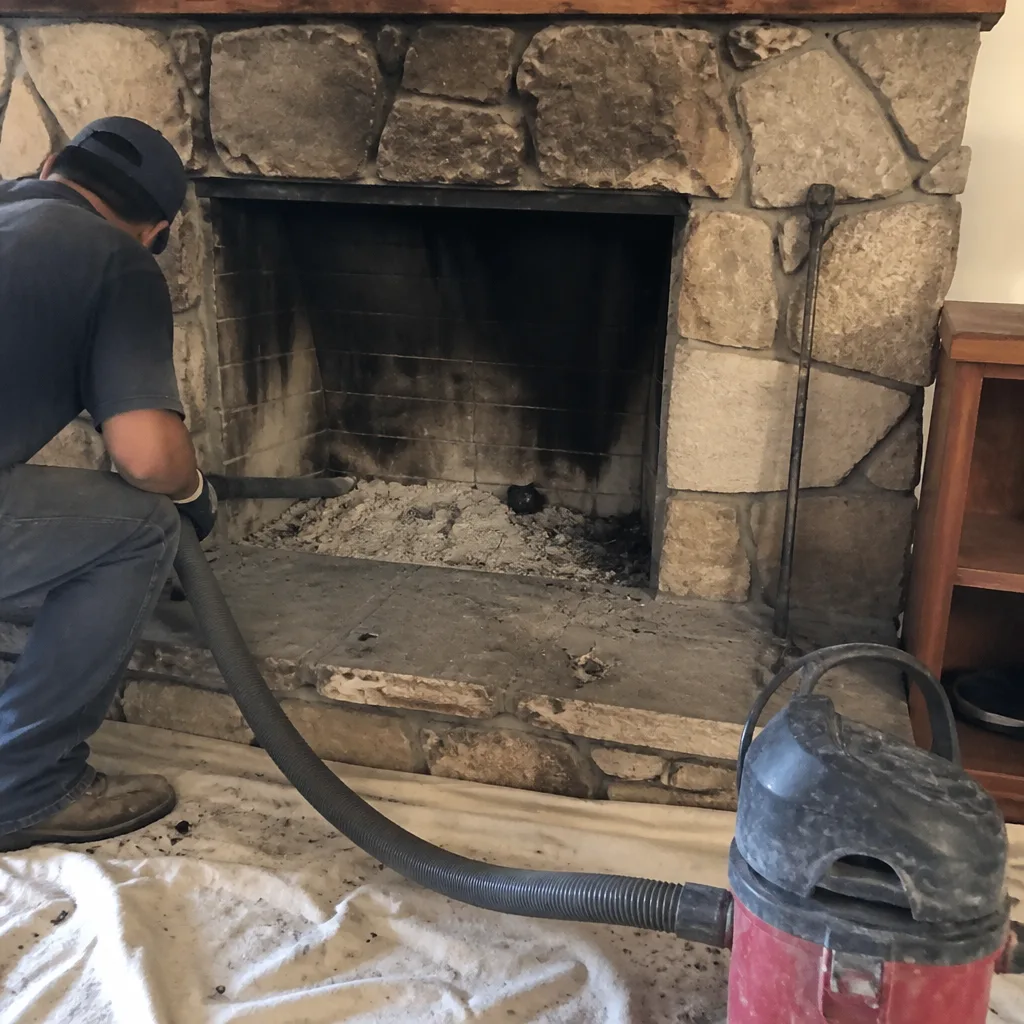 Before
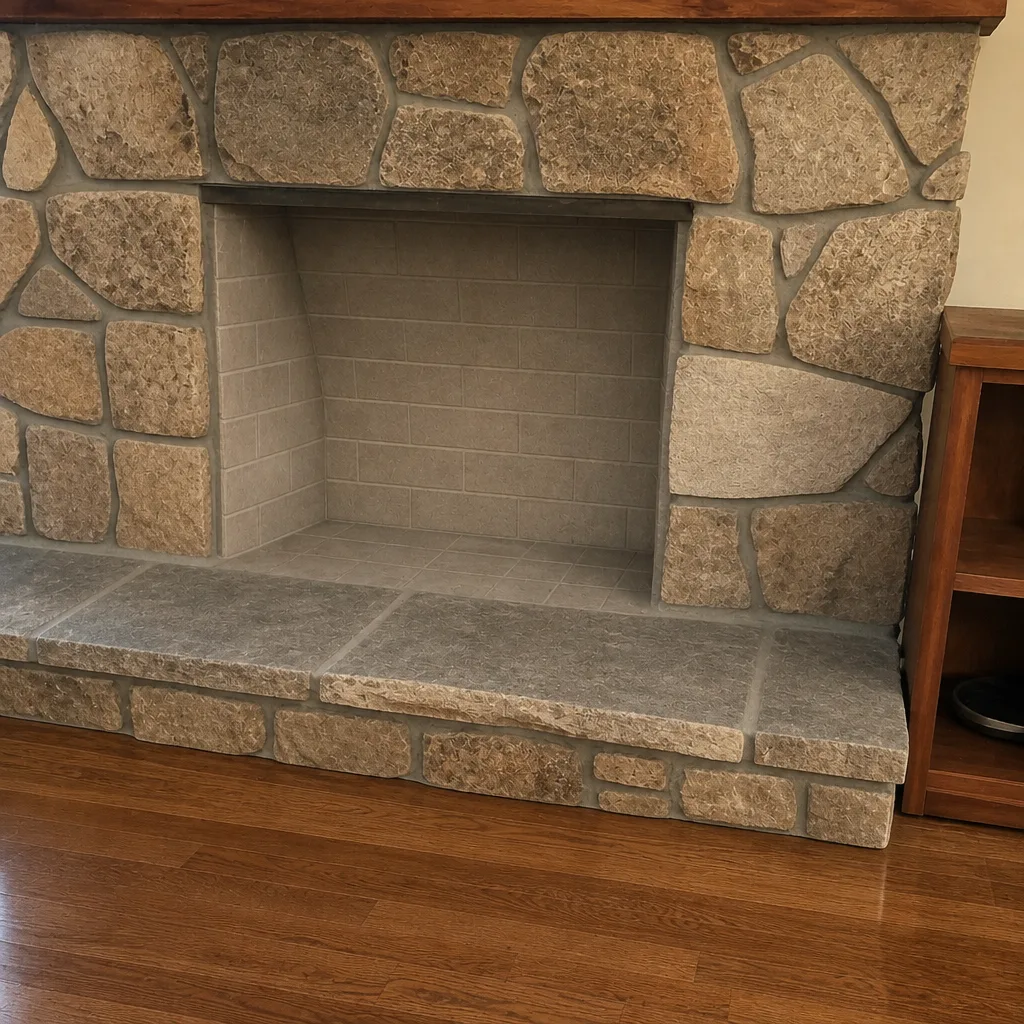 After
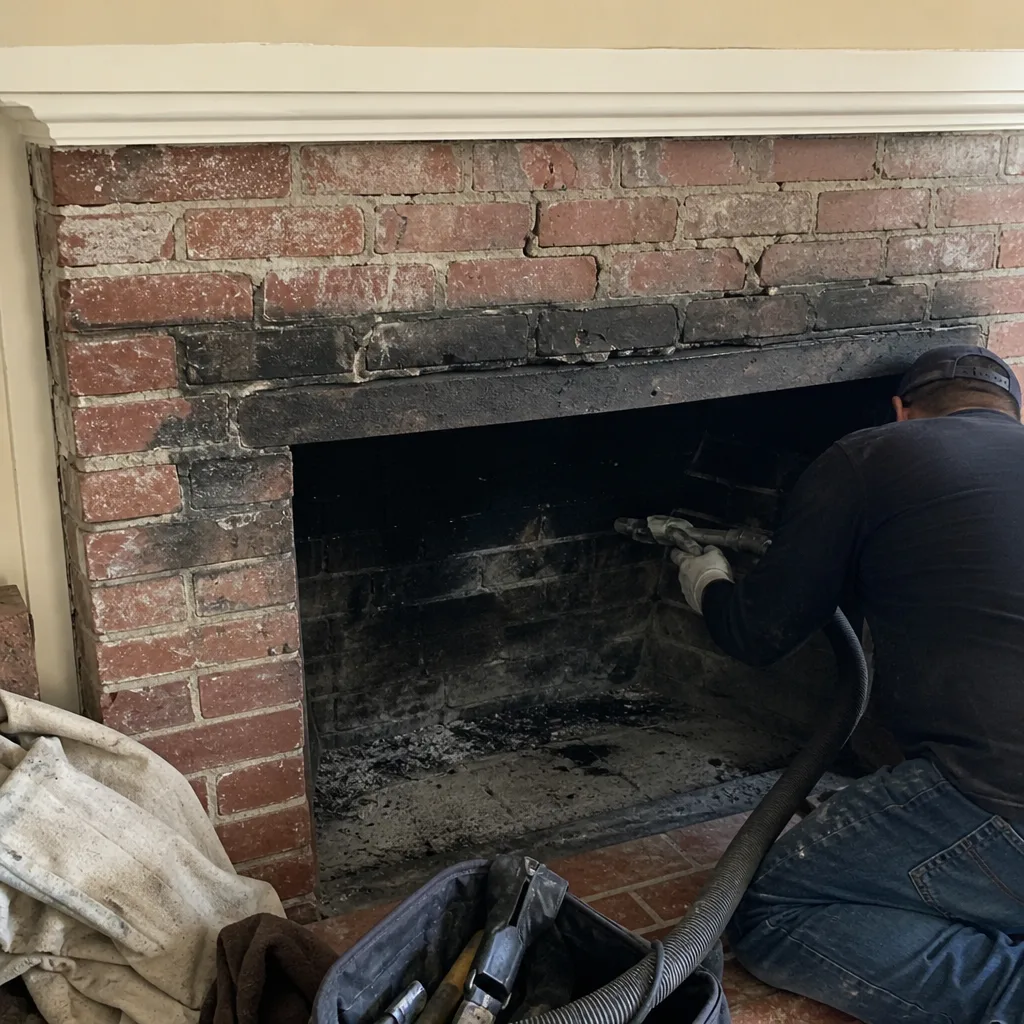 Before
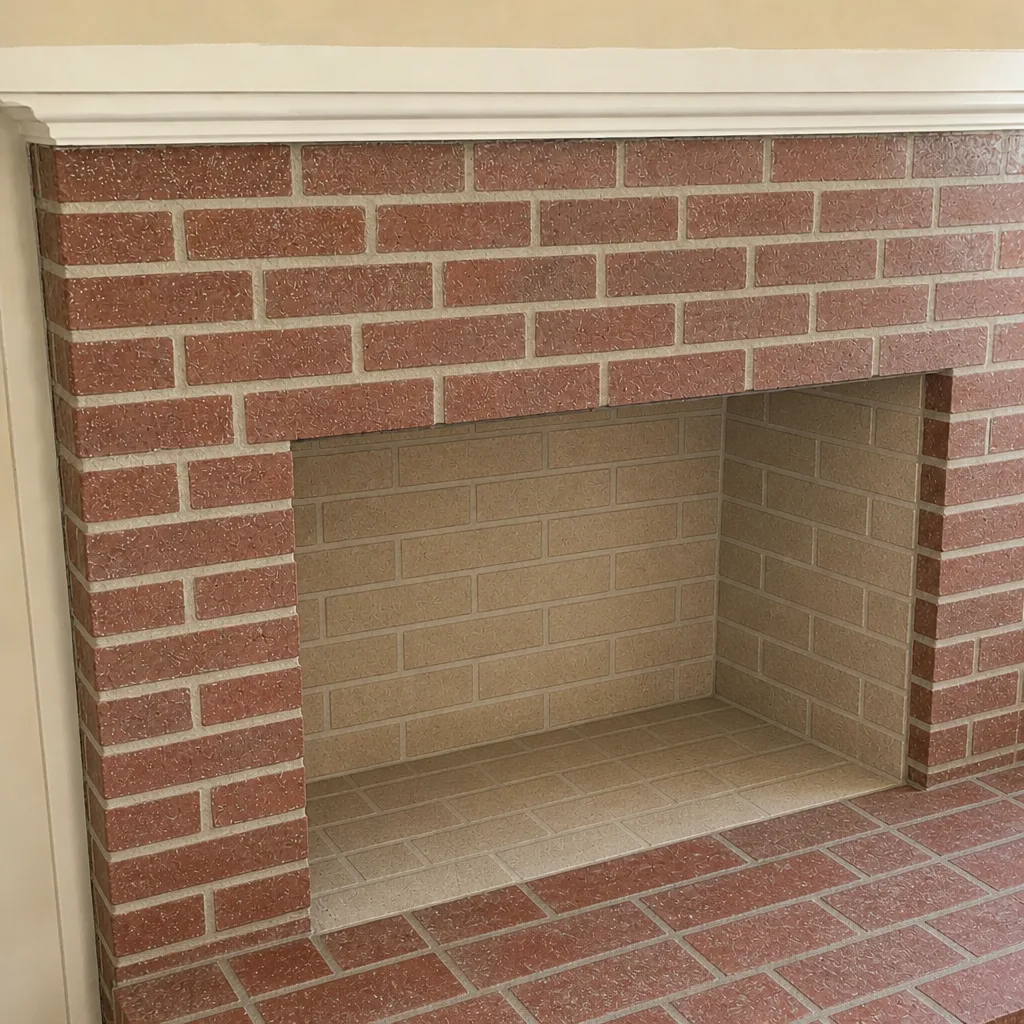 After
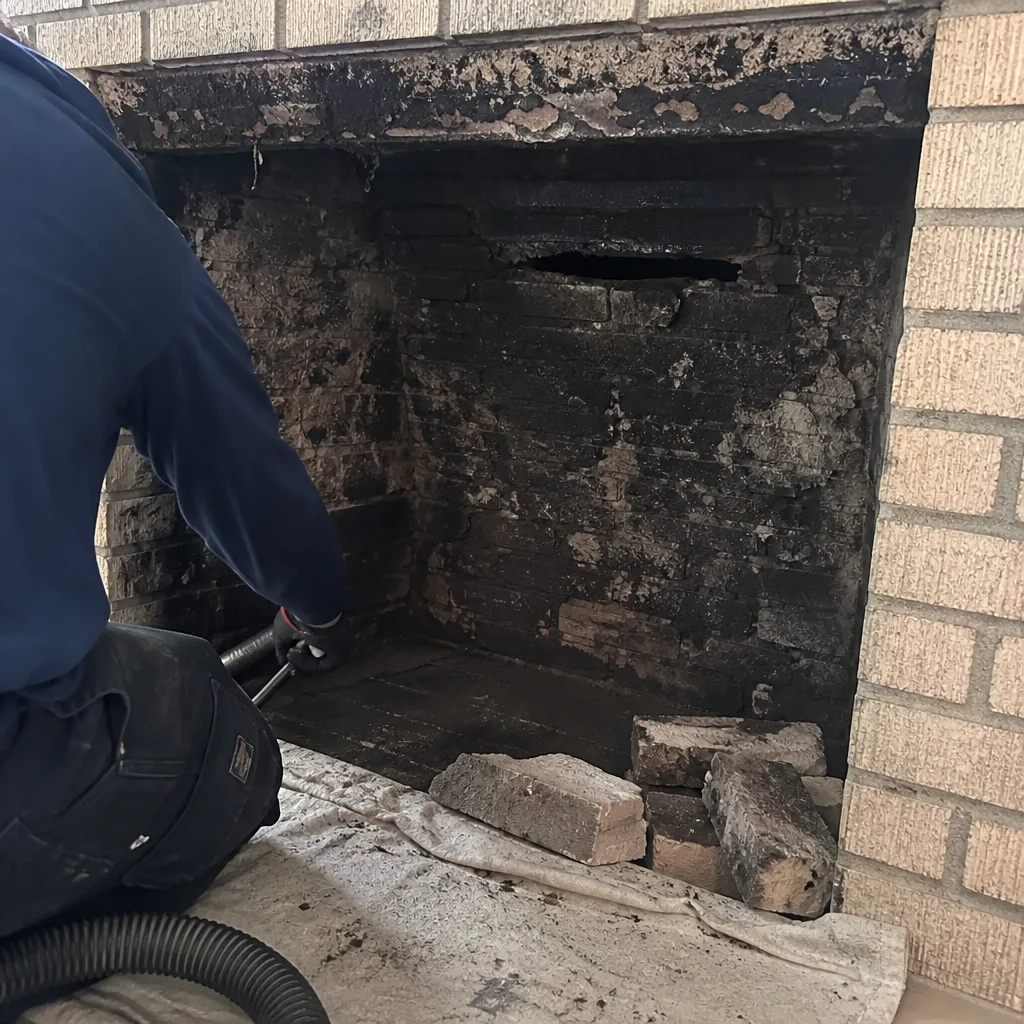 Before
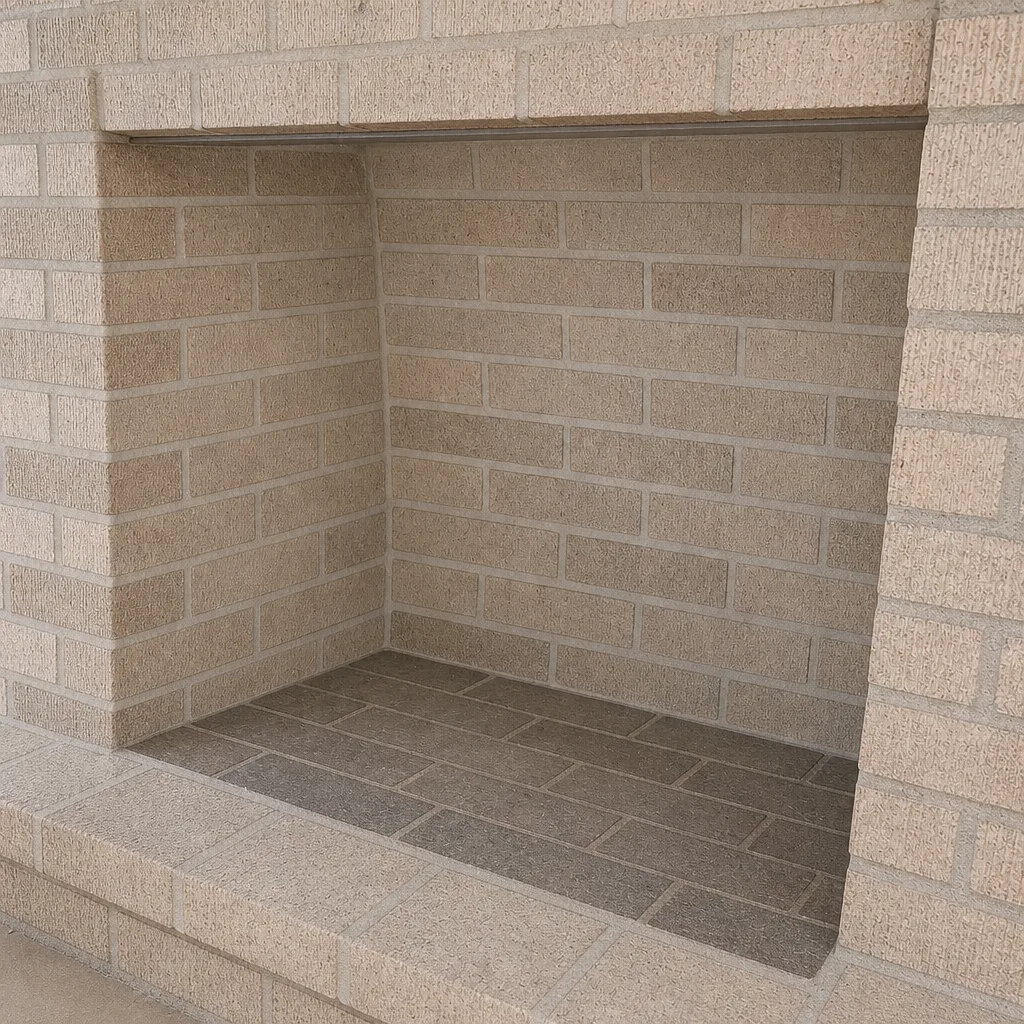 After
Frequently Asked Questions
A standard sweep is priced per job by a written estimate given before any work starts, based on the flue condition and what the inspection finds. The estimate is free, and you see the price in writing before anyone books. Call (833) 997-1267 for an exact quote. Estimates are free.
Soot falling onto the hearth and visible creosote buildup thicker than about a quarter inch are the two most direct signals that a sweep is due. White efflorescence on fireplace brick is the most overlooked early sign. Call (833) 997-1267 for an exact quote. Estimates are free.
Not always, but never ignore it. A smoky smell in a cold fireplace usually means creosote deposits or a blocked flue, and if that blockage is pushing carbon monoxide back into the home, it’s dangerous. If you also have a carbon monoxide alarm going off, stop using the fireplace and treat it as an emergency. Call (833) 997-1267 for an exact quote. Estimates are free.
No. It’s efflorescence, and it means water is moving through your masonry, typically from a failing crown, bad flashing, or an uncapped flue. It won’t fix itself, and the sooner the water source is sealed off the less repair it takes.
No. Gas fireplaces don’t produce creosote, so the service is a cleaning and inspection of the burner, logs, glass, and venting rather than a wood-flue sweep. Gas warning signs are different too: watch for a gas smell, uneven flames, soot on logs or glass, and excess moisture. Call (833) 997-1267 for an exact quote. Estimates are free.
Stop if you smell gas, see smoke spilling heavily into the room, notice visible cracks or crumbling in the firebox or flue, or a carbon monoxide alarm goes off. These are the signs that mean investigate now, not wait. Call (833) 997-1267. We answer 24/7. Fast dispatch from 7am to 7pm, Sunday through Friday.
The Bottom Line
The window between “this needs a sweep” and “this needs a rebuild” is wide, and it’s exactly where these warning signs live. If you check your firebox, brick, and hearth once a year and photograph them, you’ll catch efflorescence, soot, creosote, and draft changes while they’re still small. The signs that demand a same-week appointment are the visible ones, the odors, and the draft problems. The signs that demand a stop-burning call are gas leaks, heavy smoke rollout, visible flue damage, and a carbon monoxide alarm. The right liner, cap, or sealant for your specific flue, not a one-size-fits-all approach, is what makes the fix last. One call covers the entire chimney system, from the firebox to the crown, and one of our technicians has up to 9 years of experience reading exactly these signs. Book before burning season: chimney sweep appointments, and if the signs point to masonry or firebox work, our fireplace repair covers it under the same roof. Start with the team at Chimney Sweep East Anaheim.
If your chimney is showing any of these signs, call (833) 997-1267 for a free estimate. We answer 24/7. Fast dispatch from 7am to 7pm, Sunday through Friday.
Written by the team at Chimney Sweep East Anaheim.