
Last updated November 24, 2026
 Sweep & inspection
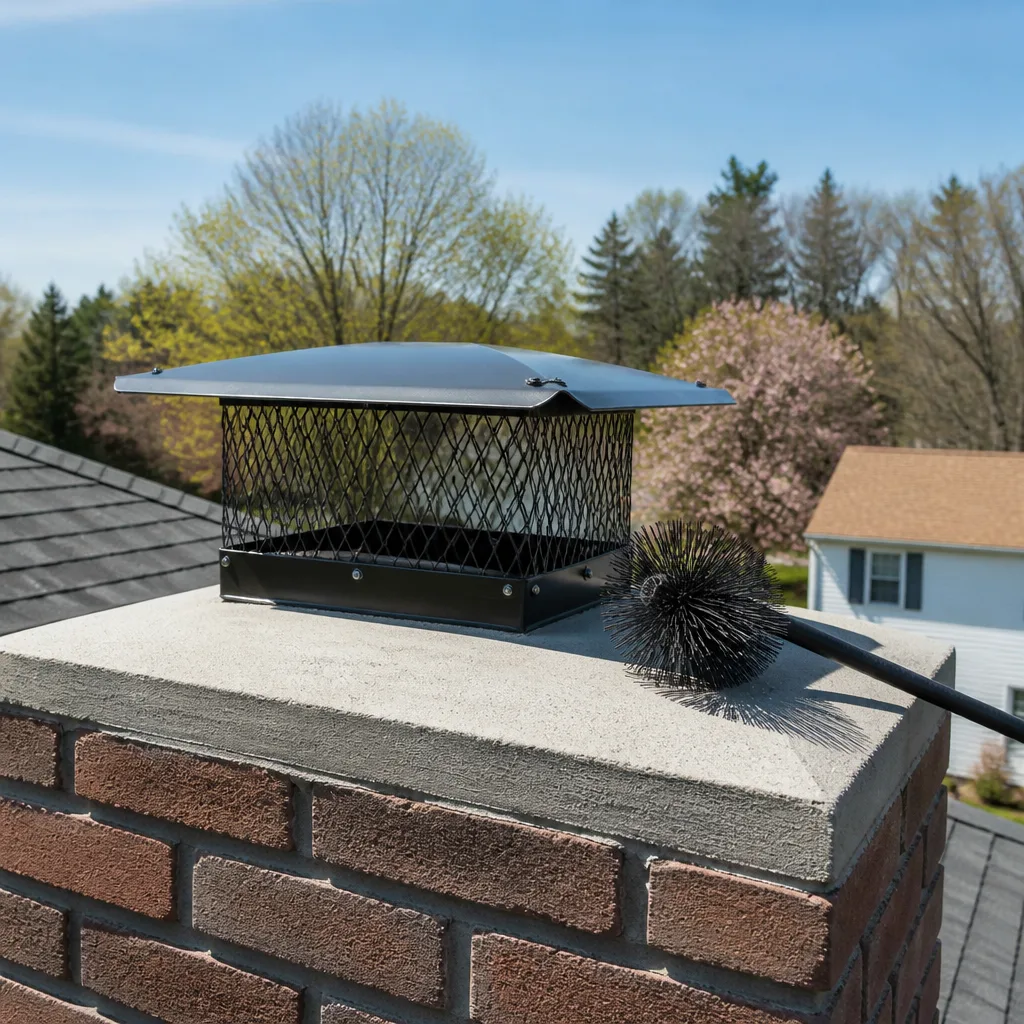
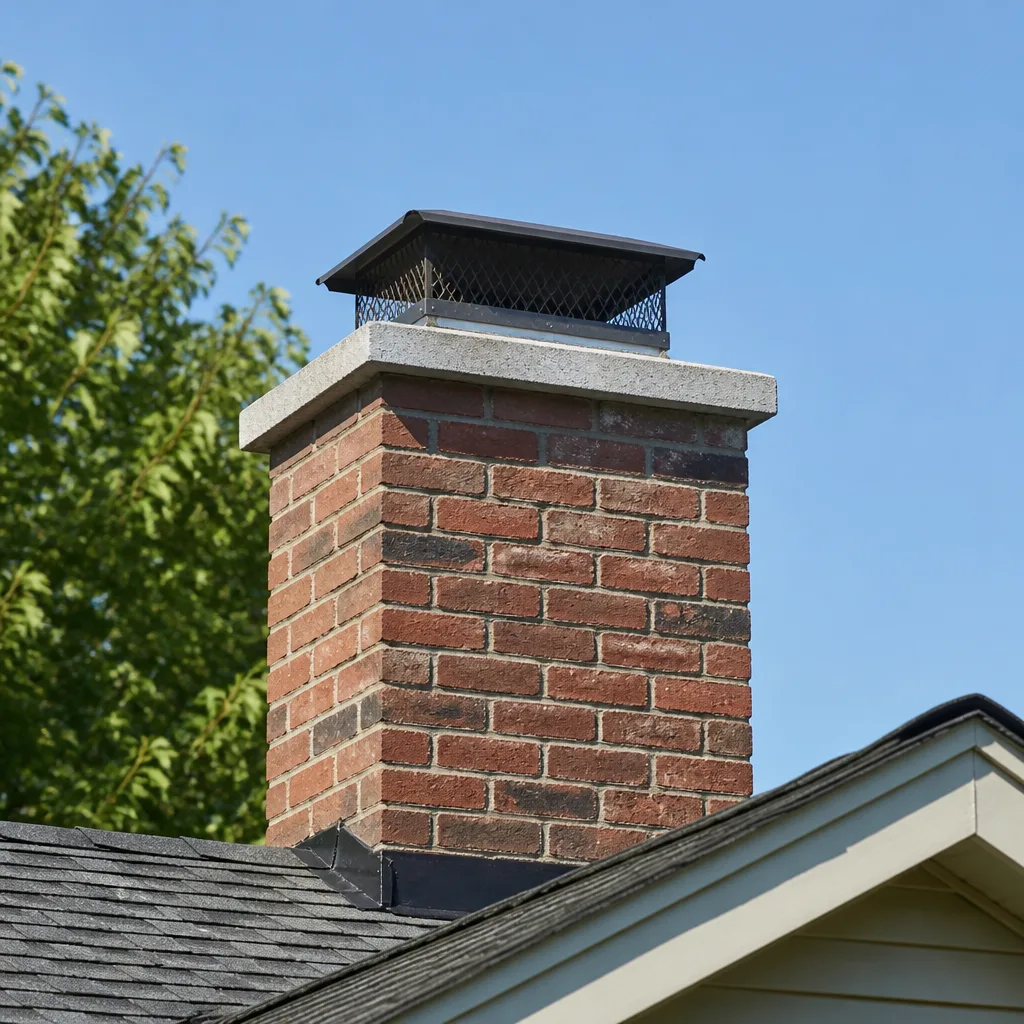 Caps & crowns
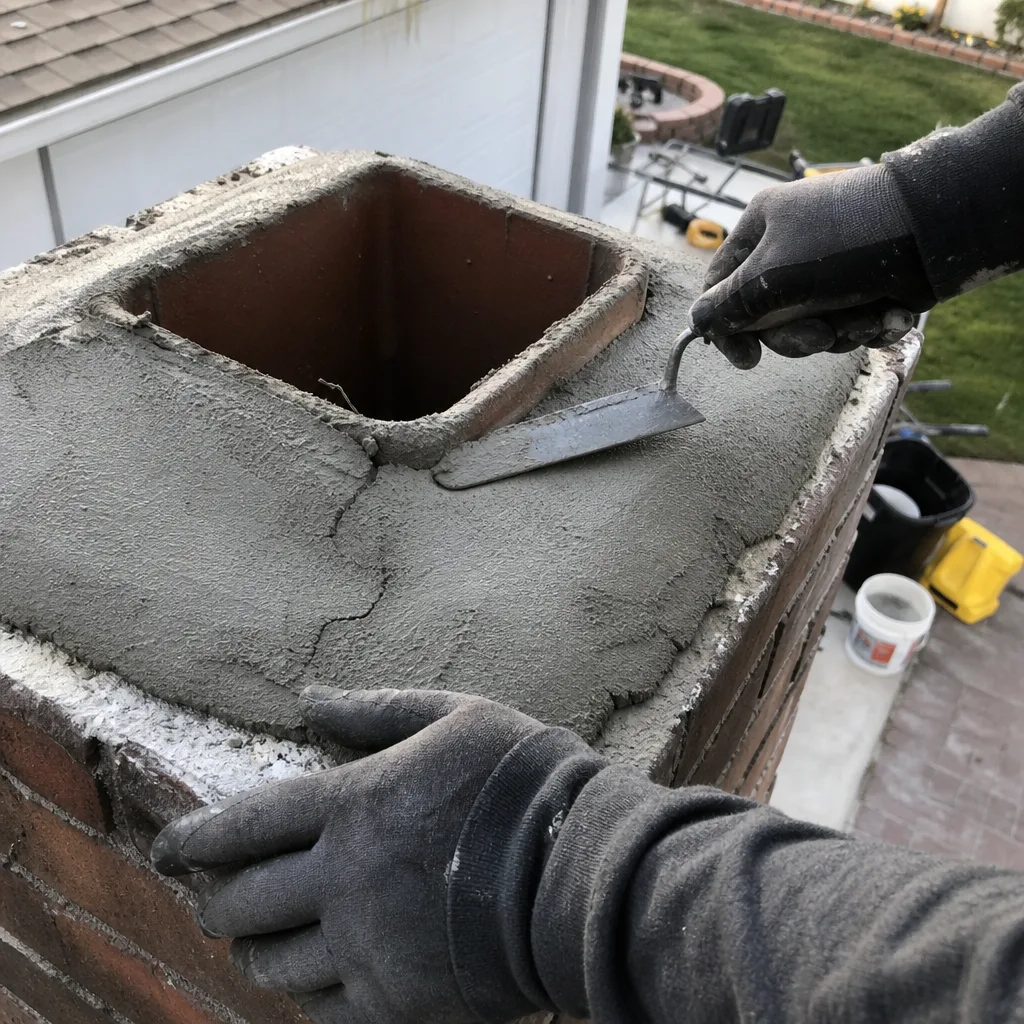
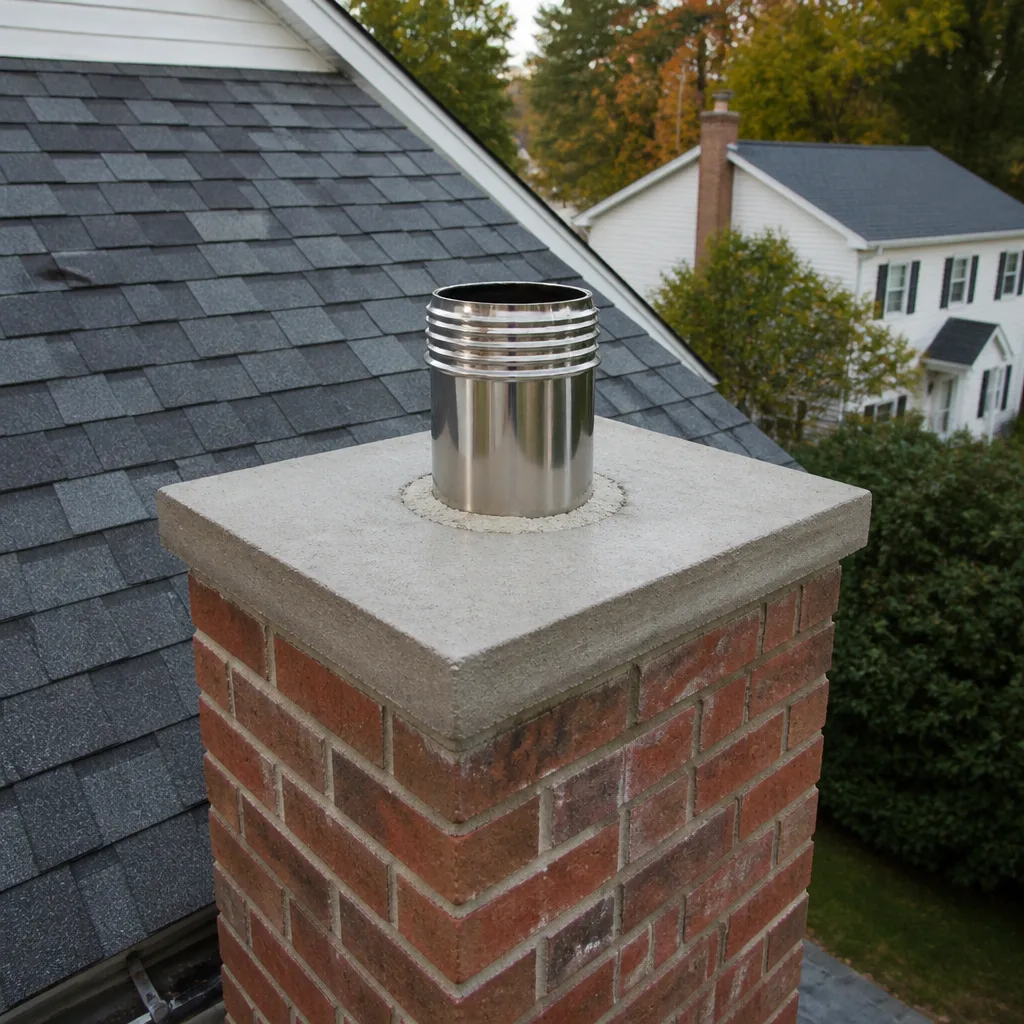 Flue relining
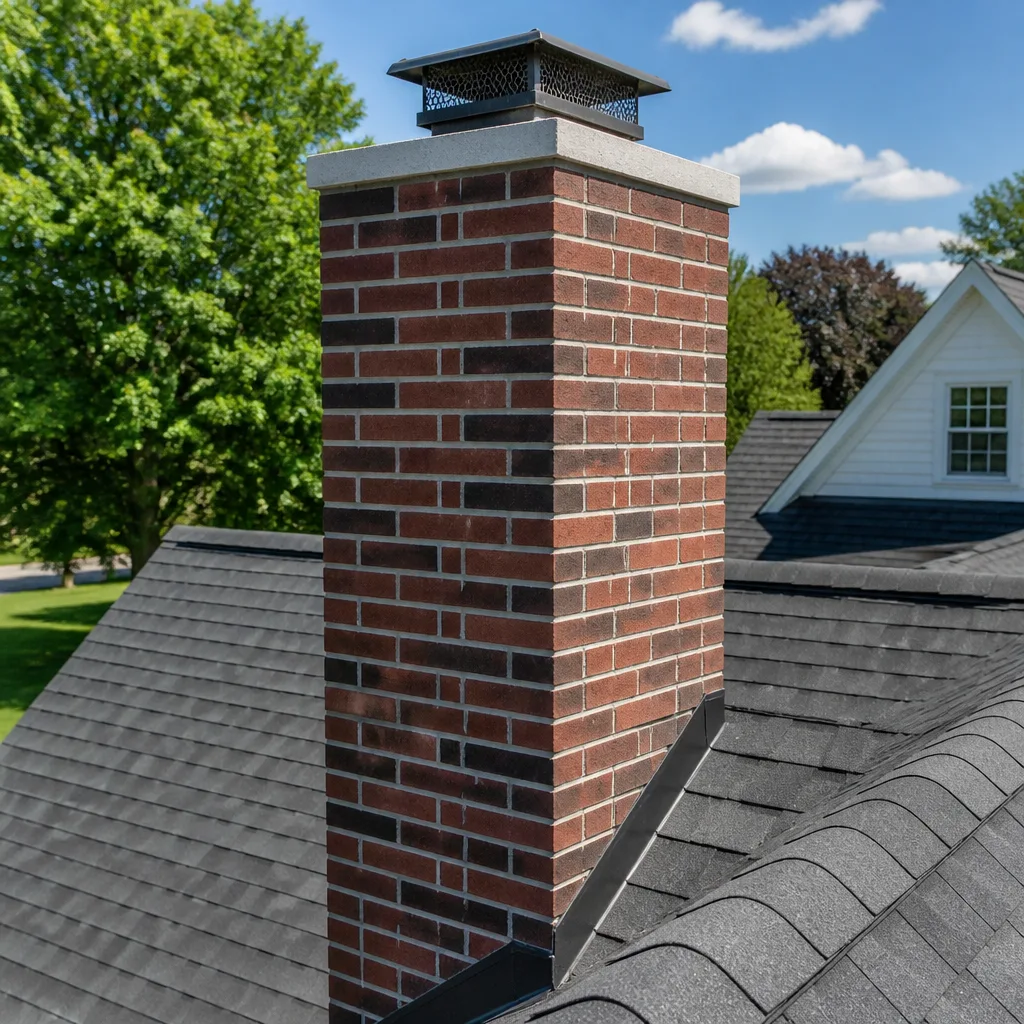 Masonry repair
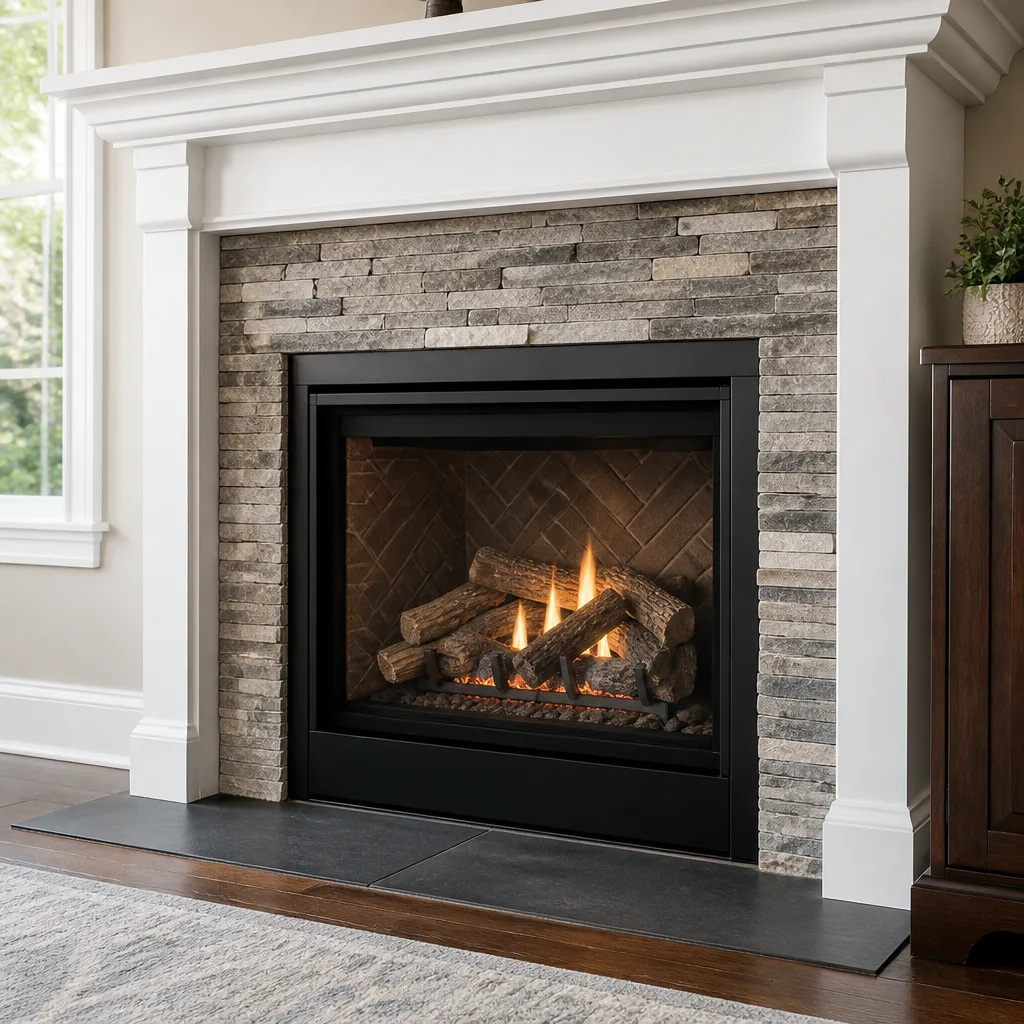 Gas fireplace service
Level 1 sweep and inspection to the NFPA 211 annual standard - flue, crown, cap, and flashing checked and photographed
Chimney sweep logs do not sweep chimneys. They loosen some creosote - which then falls where a brush and vacuum still have to collect it.
Chimney Cleaning Permits, Codes & Inspections in East Anaheim, CA: What You Need to Know
Most chimney work in California needs no permit at all. That surprises people. The bigger surprise is what happens after the sweep finishes: the moment a camera or a rod reveals a cracked flue tile, a failing crown, or a damper that no longer seats, the job can cross a line from routine maintenance into permitted construction. East Anaheim homeowners who don’t know where that line sits end up with work that looks finished but carries real liability at resale and, in the worst case, at claim time. This guide walks through which chimney jobs trigger a permit in Orange County, which are exempt, how Title 24 touches damper work, what a Level 2 inspection report actually documents, and how to pull your own permit history from the City of Anaheim before anyone touches your flue.
Quick Answer
Routine chimney sweeping in East Anaheim and the rest of Orange County is classified as maintenance and does not require a building permit. Structural repairs, relining a flue, replacing a crown, and installing or replacing a factory-built fireplace generally do require a permit from the City of Anaheim’s building division, and that work should be inspected before it’s closed up. A Level 2 inspection report from a qualified sweep is the document that tells you which category your chimney falls into.
Styles & brands we work with
- Sweep & inspection
- Caps & crowns
- Flue relining
- Masonry repair
- Gas fireplace service
Table of Contents
- Which chimney work needs a permit in Orange County?
- How does California’s Title 24 energy code affect damper work?
- What does a Level 2 inspection include, and when is the report required?
- What does “code compliant” mean for factory-built vs. masonry fireplaces?
- How to request your chimney permit history from the City of Anaheim
- What does chimney work cost in East Anaheim?
- Why unpermitted chimney work hurts you at resale and at claim time
- Common mistakes to avoid
Which chimney work needs a permit in Orange County?
The dividing line is simple to state and easy to get wrong in practice. Cleaning, sweeping, and visual inspection of an existing chimney are maintenance, and maintenance doesn’t get a permit in any jurisdiction we’ve worked in around East Anaheim. The trouble starts the moment the work changes the structure of the chimney system or touches any component that was originally permitted as part of the house. At that point you’re doing construction, not maintenance, and the City of Anaheim’s building division wants to see plans and inspect the finished work.
Here’s how we break it down for homeowners deciding what to expect:
- No permit typically required: sweeping and cleaning, a Level 1 or Level 2 inspection, cap replacement of a like-for-like cap, minor firebox mortar touch-ups, and routine damper adjustment.
- Permit typically required: a full relining of a flue, structural repair to a masonry chimney, replacing a chimney crown, installing a new factory-built fireplace or stove, adding a wood-burning insert, changing flue height, and any work that alters the footprint or load-bearing structure of the chimney.
- Case-by-case: resurfacing an interior flue with a ceramic product (pulling a permit depends on scope and whether the flue dimensions are changing), and cap installation where the existing cap wasn’t permitted in the first place.
We won’t hand you a permit decision as gospel over the phone. Requirements shift, and the only authority on your specific chimney is your local building department. What we will do is tell you honestly what category your repair falls into, so you can make the call with the right information. Some jobs in East Anaheim are genuinely close calls, and we’d rather flag them than guess.
If you’re not sure what shape your chimney is in, a proper chimney sweep with a camera inspection is the fastest way to know.
How does California’s Title 24 energy code affect damper work?
Title 24 is California’s energy code, and it governs more than windows and insulation. It also has something to say about the fireplace: a wood-burning fireplace in a conditioned home loses a lot of indoor air up the flue when the damper is open, and that’s an energy penalty the code cares about. For a new installation or a major renovation, Title 24 requires a gasketed, sealing damper or an equivalent closure that keeps the flue from acting like an open window when the fireplace isn’t in use.
What does that mean for the homeowner doing a damper replacement or throat sealing on an existing East Anaheim fireplace? A few practical things:
- A simple like-for-like damper swap on a fireplace that isn’t part of a permitted remodel is usually treated as repair, not new construction. Ask your building department to confirm.
- If your damper replacement is part of a larger remodel, a new fireplace install, or any project that pulls a permit, expect the damper to be reviewed against Title 24’s sealing requirements. A gasketed damper is the common solution.
- Throat damper sealing and top-sealing damper installations are upgrades that improve the energy performance of the chimney, not just its safety. They’re worth considering whether or not a permit is in play.
The reason this matters more than it sounds: an unsealed damper in an older East Anaheim home lets conditioned air escape year-round, even in summer when the fireplace is cold. Sealing it isn’t just code compliance. It’s a real energy fix. And when we install a top-sealing damper or a gasketed throat damper, we fit it to your specific flue rather than grabbing a generic part off a shelf. Our materials come from professional brands like Olympia Chimney and Famco, so the closure you end up with is built for the long haul, not patched to pass.
What does a Level 2 inspection include, and when is the report required?
A Level 2 inspection is the camera-and-access-panel inspection that goes beyond what you can see by looking up the flue from the firebox. It’s the standard for a reason: it’s the only level of inspection that documents the hidden parts of the chimney system, and it’s the level a real estate transaction, an insurance claim, or a post-chimney-fire assessment will require. A Level 1 is a visual check of what’s accessible without tools. A Level 3 goes further and opens walls where necessary. Level 2 is the sweet spot most homeowners actually need.
Here’s what a Level 2 inspection covers in our practice:
- Visual inspection of accessible portions of the firebox, damper, smoke chamber, flue, and exterior chimney, including the crown and cap.
- Video scan of the flue interior with a camera, to record cracks, gaps, offsets, and obstructions.
- Access to concealed areas through the attic, crawlspace, or a chimney access panel where applicable.
- Assessment of the appliance connections for wood stoves, inserts, and factory-built fireplaces, including clearances to combustibles.
- A written report that documents findings and the recommended remedies, with photos showing what the camera recorded.
When does the report become a required document rather than just a helpful one? More often than people expect. During a home sale in East Anaheim, a buyer’s inspector often flags the chimney and the seller is asked to produce a Level 2 report. After a chimney fire, an insurer wants the same report before authorizing repairs. After any change to the appliance, such as a new insert or a stove swap, the report documents that the flue is correctly sized and clearanced for the new heat source. And after a seismic event or a significant storm, the report tells you whether the chimney moved.
We treat the inspection report as the foundation of everything else. Nothing gets recommended without camera evidence the homeowner can see and keep. If you were told you need a new liner by someone who didn’t put a camera in the flue and didn’t show you what it saw, get a second opinion before you spend the money.
What does “code compliant” mean for factory-built vs. masonry fireplaces?
“Code compliant” is a phrase that gets thrown around loosely. For a chimney, it means two slightly different things depending on what your fireplace is made of, because the standards behind them are different.
A factory-built fireplace (also called a prefabricated or zero-clearance unit) is tested and listed to UL 127 as a complete assembly: the firebox, the flue, the cap, and the clearances all come from the manufacturer as a system. Compliance means the right parts from the right listing, installed at the specified clearances, with no substitutions. A generic cap on a UL 127 flue, or a liner that wasn’t listed for that appliance, breaks the listing and stops the system being code compliant, even if it works fine day to day. This is one place where we’re strict: the cap we install on a factory-built unit comes from a brand like Gelco or Famco precisely because the part is engineered for the application, not adapted to it.
A masonry fireplace is built on site and is governed by NFPA 211, the standard for chimneys, fireplaces, vents, and solid fuel-burning appliances, along with the applicable building code. Compliance means correct flue sizing for the firebox opening, proper clearance to combustible framing, a flue lining in good condition, and a crown that sheds water away from the flue rather than into it. Mortar, brick, and liner all have to work together. When we find a masonry flue with cracked tiles, a ceramic resurfacing product like HeatShield can often restore the liner without a full tear-out, and the decision between resurfacing and relining comes down to the condition of the flue and the shape of the original build.
If your home has both (a masonry chimney that feeds a factory-built insert, for example), compliance has to be satisfied on both fronts. That’s the kind of question a Level 2 inspection answers.
How to request your chimney permit history from the City of Anaheim
Before you schedule any chimney work on a home you’ve recently bought in East Anaheim, pull the permit history. It takes a call or an online request, it’s usually inexpensive or free, and it tells you whether the fireplace or chimney was ever permitted and whether the work was ever inspected. That record is worth more than any verbal assurance you’ll get from a contractor who “thinks” it was done right.
Here’s the process we recommend:
- Gather your property details. You’ll need the street address, the parcel or APN number if you have it, and the approximate year the home was built.
- Contact the City of Anaheim’s building division. Their permit records are public. Request a record search for any permits pulled on the property, focusing on fireplace, chimney, and hearth-adjacent work.
- Ask specifically about closed permits. A permit that was pulled but never signed off is a red flag. A permit that was pulled and finaled is documentation the work met code at the time of inspection.
- Cross-reference the permit dates with any past repair work. If the chimney was rebuilt or relined and no permit appears on record, ask questions before you buy, or budget for a full inspection to find out what’s actually there.
- Keep the records with your home file. You’ll want them when you sell, when you refinance, or when an insurer asks.
For most homeowners in East Anaheim, the records request takes a few days. We’d rather you make that call before we come out, so when we do inspect, we’re comparing what’s on file against what’s actually in the flue.
What does chimney work cost in East Anaheim?
Chimney pricing depends on scope, and scope depends on what the inspection finds. Here are the ranges we typically see for the work East Anaheim homeowners ask us about most. These are estimates, and the written estimate after inspection sets the final price, so treat the numbers as a planning tool rather than a quote.
- Standard chimney sweep and Level 1 inspection: $180 to $320
- Level 2 inspection with camera scan and written report: $250 to $450
- Chimney cap replacement (standard factory-built): $200 to $450
- Chimney crown repair or rebuild: $500 to $1,800
- Ceramic flue resurfacing (HeatShield application): $1,800 to $4,500
- Full flue relining (DuraFlex or comparable): $2,500 to $6,500
- Damper replacement or top-sealing damper installation: $350 to $900
- Firebox mortar and brick repair: $400 to $1,500
Permit fees are separate and set by the City of Anaheim’s building division. The fee itself is usually modest compared to the construction cost, but we won’t give you a dollar figure for a fee we don’t set. Even where a permit isn’t required, we recommend homeowners keep the inspection report. It’s the paperwork that answers a buyer’s or insurer’s question later without a re-inspection.
One clarification on what we don’t recommend: rushing into a liner replacement because someone told you the flue “looks bad.” A cracked flue tile is a real issue, but the size of the repair depends on how many tiles are damaged, whether the flue is off-set, and what the camera shows. Nothing gets recommended here without evidence the homeowner can see. Call (833) 997-1267 for an exact quote – estimates are free.
Why unpermitted chimney work hurts you at resale and at claim time
The permit issue isn’t theoretical, and it isn’t just about a stop-work order. Unpermitted chimney work creates two real problems that hit East Anaheim homeowners at the worst moments.
At resale: Orange County buyers and their inspectors ask about permits on structural and system work. A chimney crown or liner replacement done without a permit often doesn’t surface until the buyer’s inspection, which triggers a re-negotiation, a repair credit request, or in some cases a delayed close while permits are retroactively pulled and inspected. A rehabbed chimney with documentation is worth what you put into it. One without paperwork invites a discount.
At claim time: most standard homeowners’ policies exclude losses caused by unpermitted, non-code-compliant work when that work is a contributing factor. If a chimney fire starts in a flue that was relined without a permit and without inspection, the insurer can question whether the installation met code, and that can complicate the claim. Nothing about that outcome is worth saving the permit fee.
Because the whole project is one system, the work from firebox to crown should be done by one provider who can inspect, repair, and document the work under one roof. If you’re going to be in this house for years, do the work right the first time. The chimney cap & crown work that keeps water out of the flue is often the difference between a chimney that lasts and one that keeps needing repair.
Common Mistakes to Avoid
- Skipping the permit on a liner or crown job. These are structural repairs. The permit is the record that the work met code. Skipping it creates a future problem with your insurer and your buyer, and the fee is small compared to the risk.
- Accepting a repair recommendation without camera evidence. If a sweep tells you the flue needs relining but doesn’t show you the interior video, ask for it. A real diagnostic gets documented. That’s the difference between a professional and a sales pitch.
- Not knowing your fireplace type before you call. A factory-built fireplace (UL 127) and a masonry chimney (NFPA 211) are governed by different standards and use different parts. Ask your sweep to confirm which one you have before authorizing any work.
- Ignoring a Title 24 sealing requirement during a remodel. If your damper replacement is part of a bigger project, the energy code comes into play. Get the question answered by your building department before the drywall goes up.
- Trusting an inherited inspection report. A report from years ago doesn’t tell you the current condition of the flue. Get a fresh Level 2 inspection before you rely on someone else’s paperwork.
- Assuming a cap is a cap. A generic cap on a listed factory-built flue breaks the listing. The right cap, from a brand that builds caps for that exact application, keeps the system code compliant and weather-tight.
- Never requesting permit history. It’s free or close to it, and it tells you whether the chimney in your East Anaheim home was ever permitted and inspected. Skipping it means working blind on the most important part of the system.
See the difference
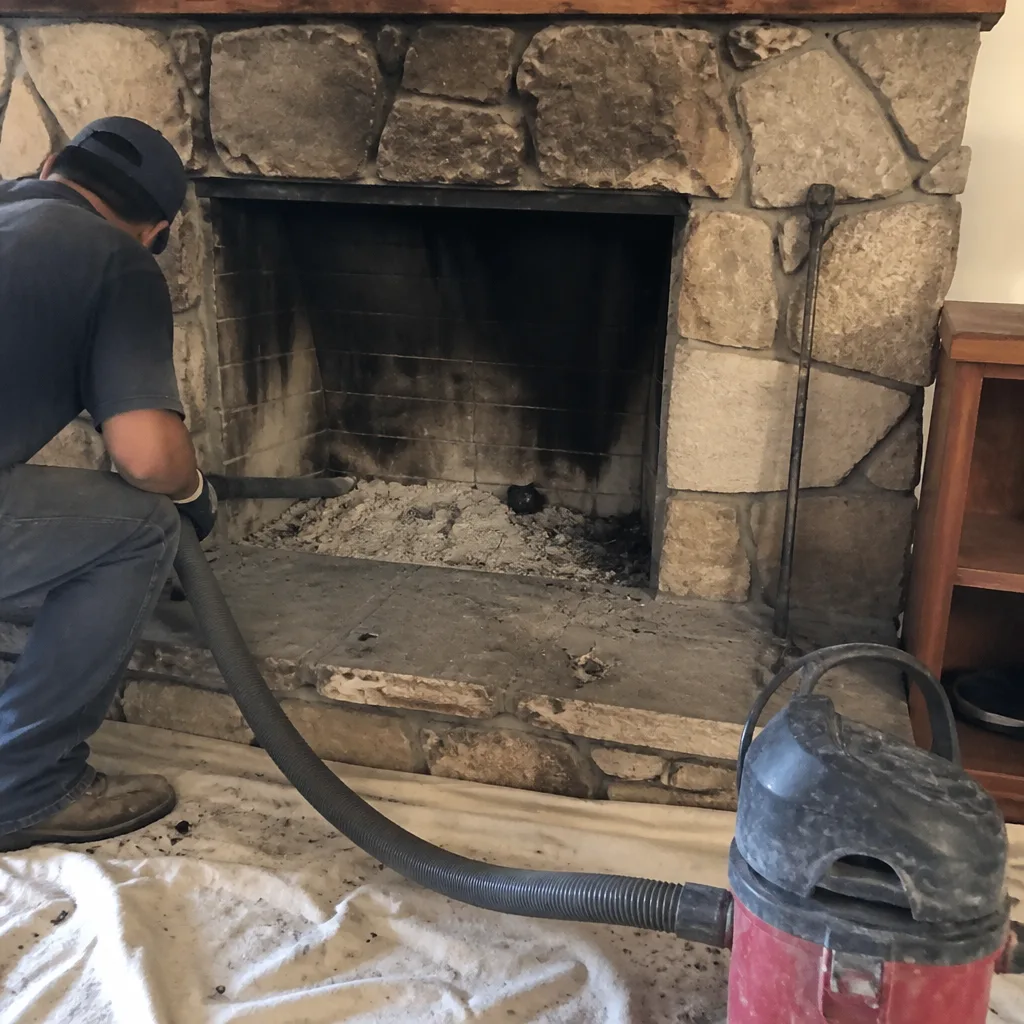 Before
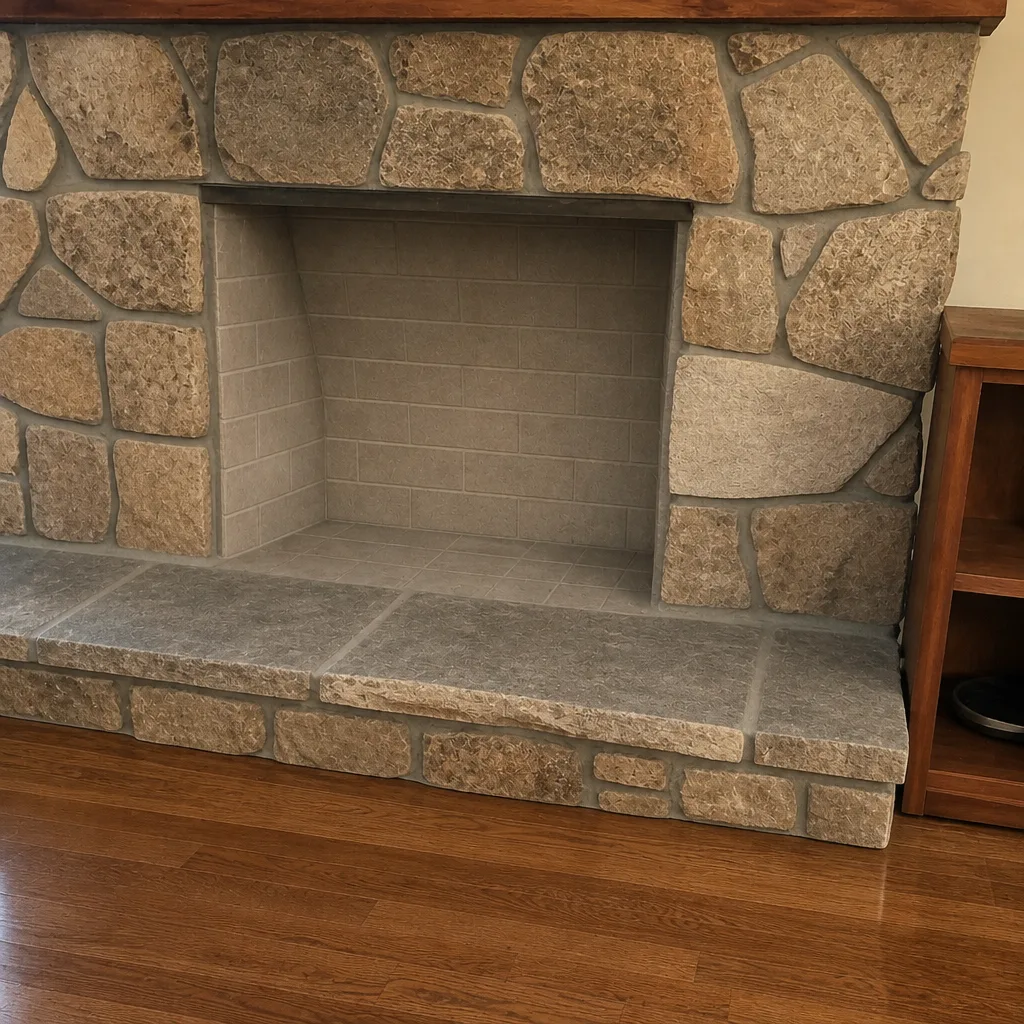 After
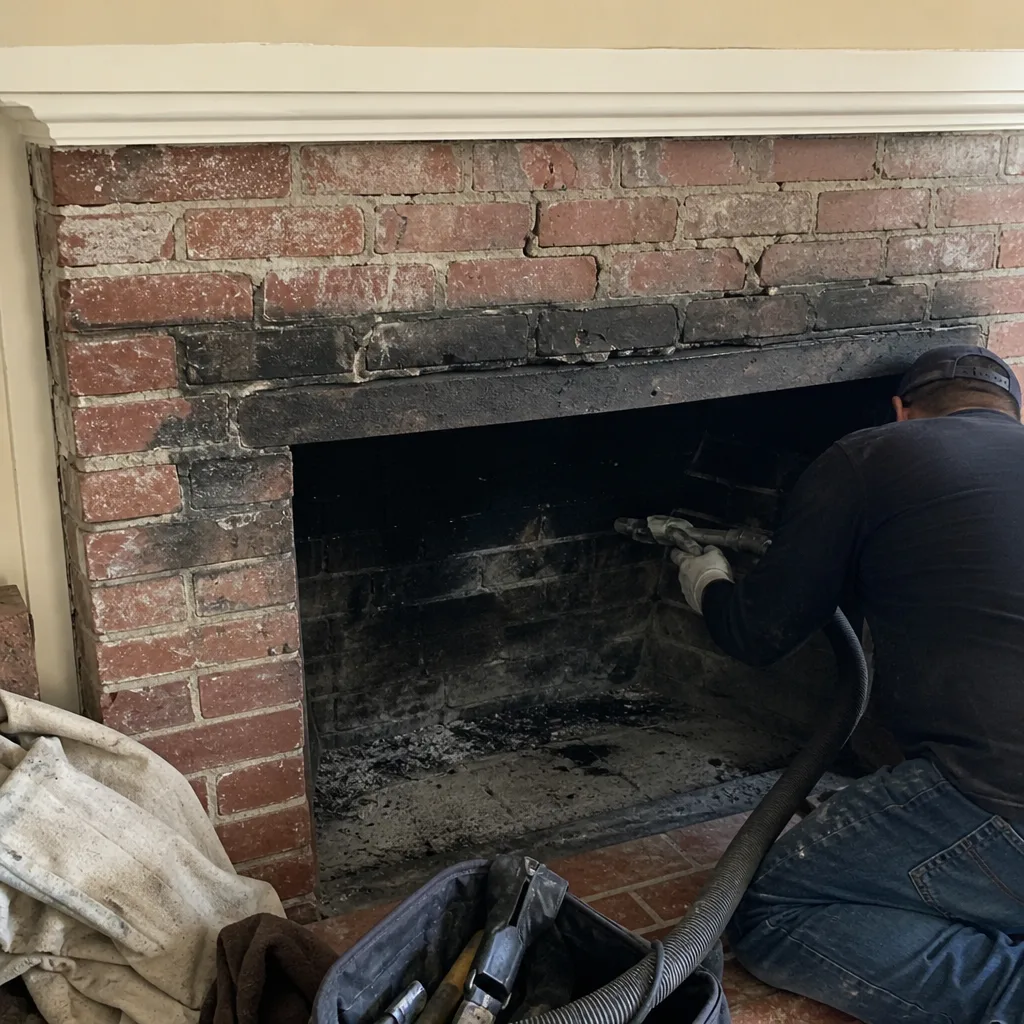 Before
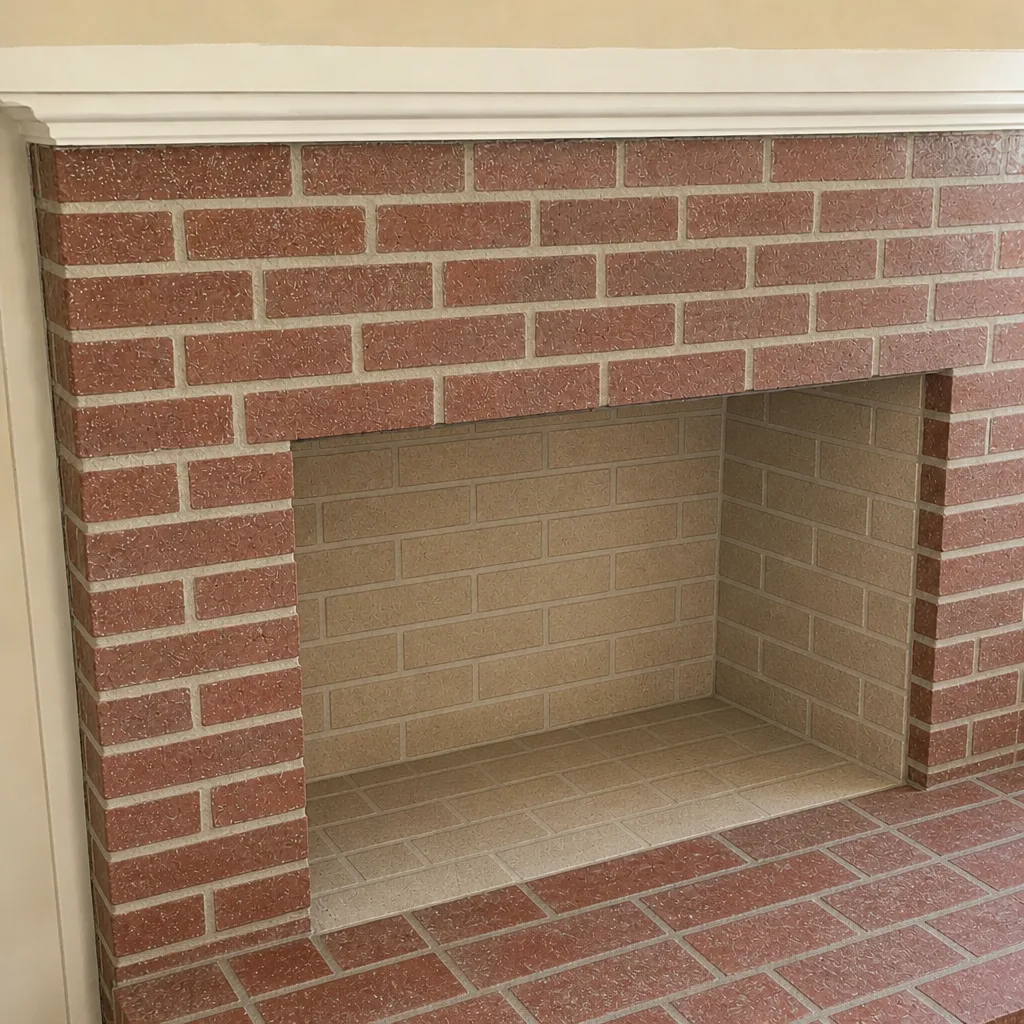 After
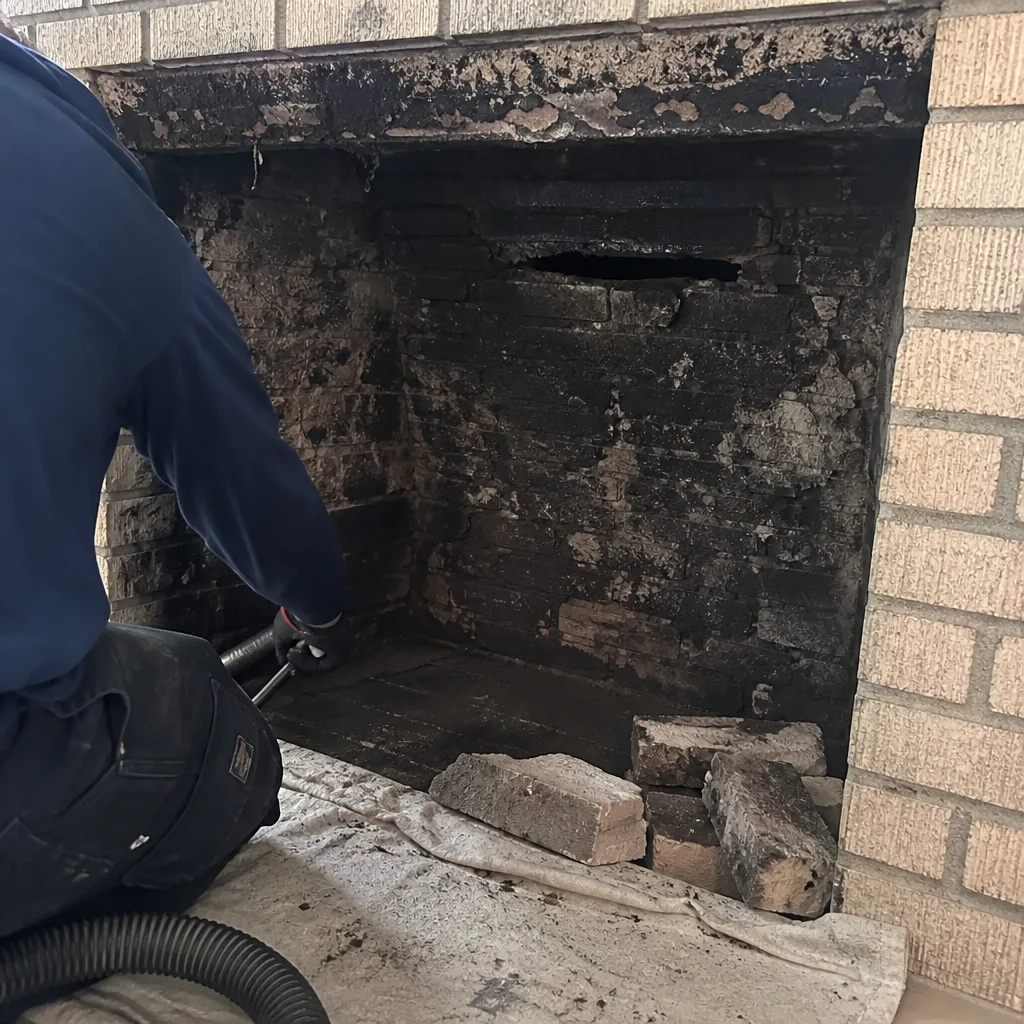 Before
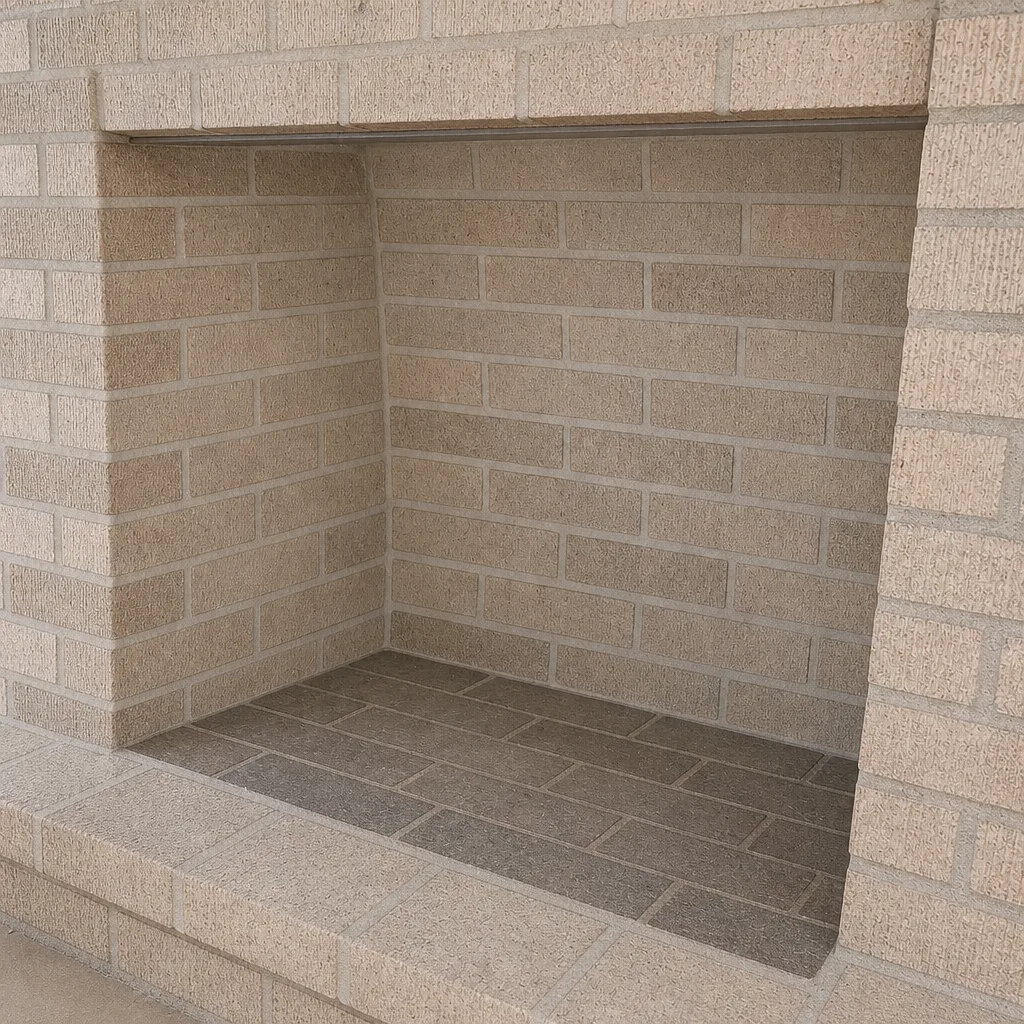 After
When to Call a Professional
Call a professional if you’ve just bought a home and don’t know the chimney’s history, if your last inspection was years ago, if you’ve moved to a different fuel source (a wood insert or stove swap), or if you see any of the warning signs: rust in the firebox, crumbling mortar, a cracked crown, smoke backing into the room, or a flue that whistles or smells. Call before lighting a fire for the first time in a season, especially in an older East Anaheim home where the flue hasn’t been looked at.
And call for the documentation stuff too. If you’re selling, refinancing, or filing a claim, you need a Level 2 report in hand before you’ll be asked for it. Chimney Sweep East Anaheim offers free estimates in East Anaheim – call (833) 997-1267. We inspect and repair under one roof, so you don’t have to coordinate three contractors to get a straight answer. Our technicians have up to 9 years of experience, and we work with professional brands a certified specialist would recognize, from DuraFlex liner systems to HeatShield resurfacing to Famco and Gelco caps and flashing.
If a problem is flagged during a fireplace repair, the same call covers the fix. One look at the whole system, one report, one set of repairs.
Frequently Asked Questions
No. Routine chimney cleaning in East Anaheim, and in Orange County generally, is classified as maintenance and does not require a building permit. A permit only becomes part of the picture when the work changes the structure of the chimney system or replaces a component that was originally permitted. For an exact quote on the cleaning or inspection, call (833) 997-1267.
A repair requires a permit when it crosses from maintenance into construction: relining a flue, rebuilding a crown, structural masonry repair, installing a new fireplace or stove, or changing the flue’s height or footprint. Small touch-up work, like a minor mortar patch or a like-for-like cap swap, is usually treated as maintenance. Your City of Anaheim building division is the final word on your specific case, and we’ll tell you what category your job falls into. Call (833) 997-1267 if you’d like us to look and tell you honestly.
A Level 1 is a visual inspection of the accessible parts of the chimney without tools. A Level 2 adds a camera scan of the flue and access to concealed areas, and it produces a written report with photos that’s used for real estate transactions, insurance claims, and appliance changes. If you’re being asked for a “chimney report” during a sale or claim, that’s almost always a Level 2. Call (833) 997-1267 to schedule one and get the written report in hand.
You need a new liner when the camera shows the existing flue lining is cracked, detached, or has gaps that let heat or gases reach the chimney’s structure. If a sweep recommends relining without showing you the interior video, ask for it before agreeing. A real diagnostic is documented. We don’t recommend a liner without camera evidence you can see yourself, and we’ll tell you plainly when work can safely wait. Call (833) 997-1267 for a second opinion.
Request a permit record search from the City of Anaheim’s building division using your property address and, if you have it, the parcel number. Ask specifically for closed permits and any fireplace or chimney work on record. If a repair you know happened doesn’t show a permit, that’s a question to resolve before you sell. Call (833) 997-1267 and we’ll inspect the chimney and compare what we find against the record.
Skipping a sweep lets creosote build up in the flue, and creosote is the fuel that chimney fires burn. It also means small problems like a cracked tile or a failing crown go unnoticed until they become bigger, more expensive repairs. A yearly sweep and inspection is the cheap end of chimney ownership. Call (833) 997-1267 to book one before the next burning season.
The Bottom Line
Routine chimney cleaning and inspection in East Anaheim don’t need a permit. Structural repairs, relining, crown replacement, and new appliance installs usually do, and the City of Anaheim’s building division is the authority on the specifics of your home. Factory-built fireplaces are held to UL 127 and masonry chimneys to NFPA 211, and Title 24’s sealing requirements come into play on damper work done as part of a permit-pulling project. A Level 2 inspection with a written report is the document that keeps you safe, funded, and sellable. Pull your permit history, get the camera evidence, and don’t let a repair move forward without it.
We work with brands like HeatShield, DuraFlex, Olympia Chimney, and Famco to install systems built to last, not patched to pass. Whether you need a Chimney Sweep East Anaheim for the yearly sweep or a full chimney repair after a failed inspection, we handle it under one roof. Call (833) 997-1267 for a free estimate. We answer 24/7. Fast dispatch from 7am to 7pm, Sunday through Friday.
Written by the team at Chimney Sweep East Anaheim.