
Last updated November 24, 2026
 Sweep & inspection
 Caps & crowns
 Flue relining
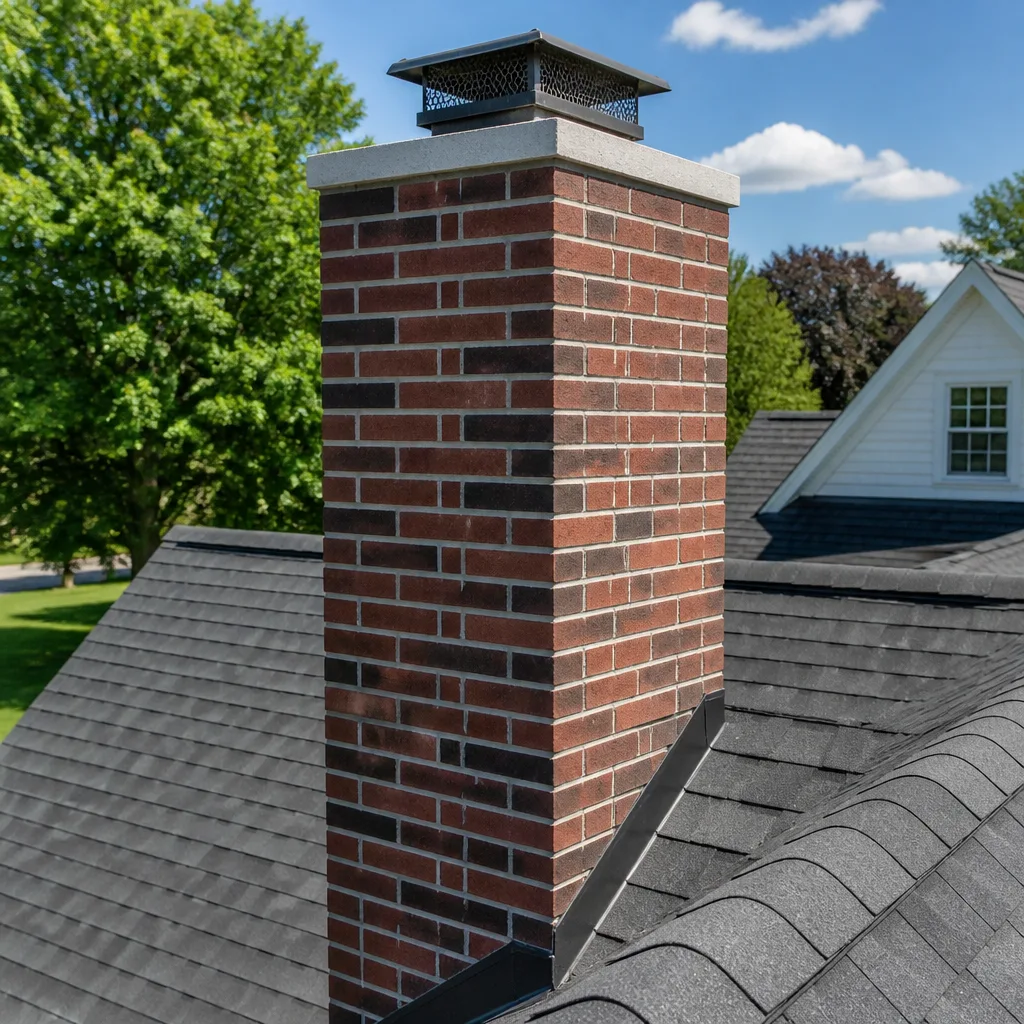 Masonry repair
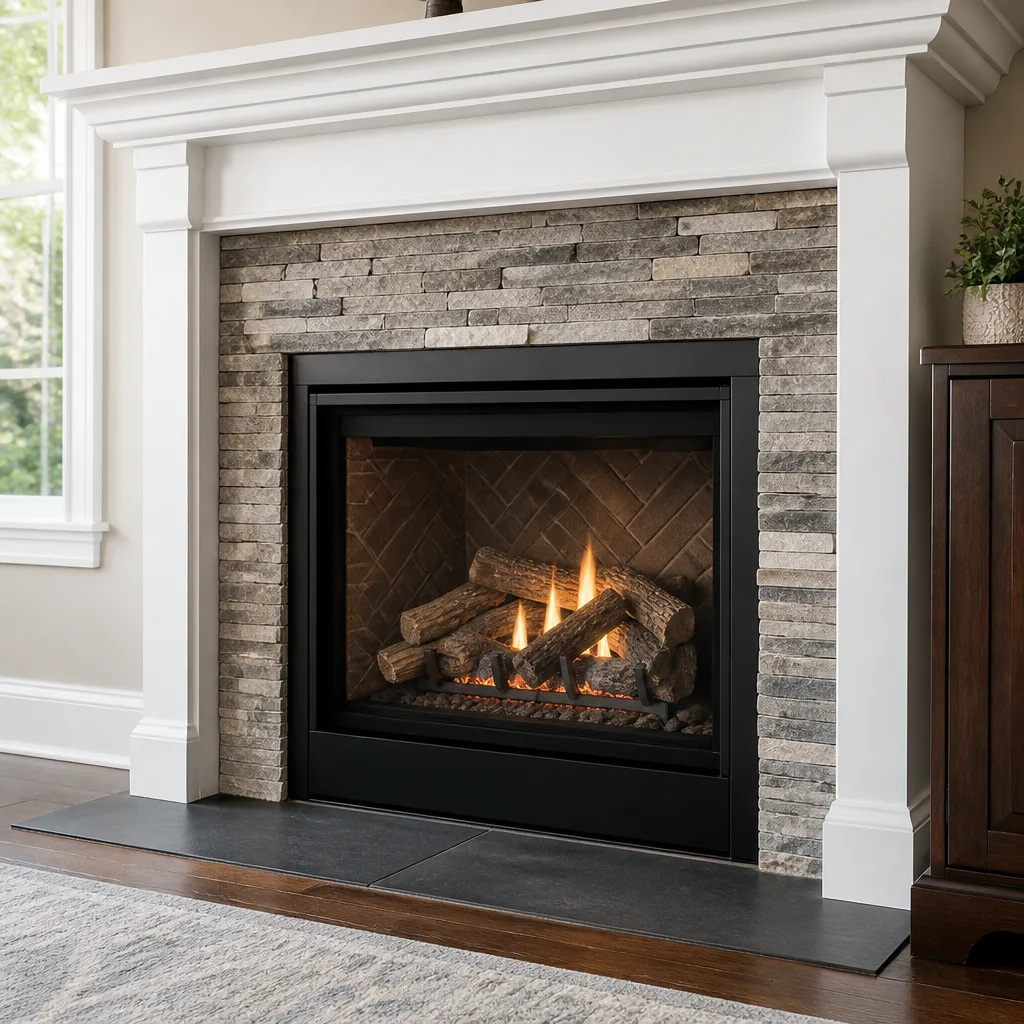 Gas fireplace service
Level 1 sweep and inspection to the NFPA 211 annual standard - flue, crown, cap, and flashing checked and photographed
Chimney sweep logs do not sweep chimneys. They loosen some creosote - which then falls where a brush and vacuum still have to collect it.
Seasonal Chimney Cleaning Care for East Anaheim: Year-Round Homeowner’s Guide
Here’s the part most chimney advice gets wrong for East Anaheim: your chimney’s hardest season isn’t winter. It’s summer. When the fireplace goes cold for months at a stretch, the flue sits unattended while UV works on the mortar crown, pests scout an open cap, and June Gloom moisture cycles in and out of hairline cracks. By October, the damage is already done, and the first fire of the season is the moment you find out. This guide walks through what to do each season in East Anaheim’s mild, low-humidity climate, why national cold-climate checklists don’t quite fit here, and how a simple year-round routine keeps a chimney sound for decades.
Quick Answer
In East Anaheim, chimney care is a four-season job, not a fall-only chore. The core routine is: sweep and inspect at the end of the burning season (April or May), check the cap and crown for UV and pest damage through the dry summer, test the draft with a small burn before the first real fire in fall, and keep the flue capped year-round so birds and debris stay out. A professional inspection once a year catches what you can’t see from the ground, and most of the expensive problems we see in East Anaheim start during dormancy, not during use.
Styles & brands we work with
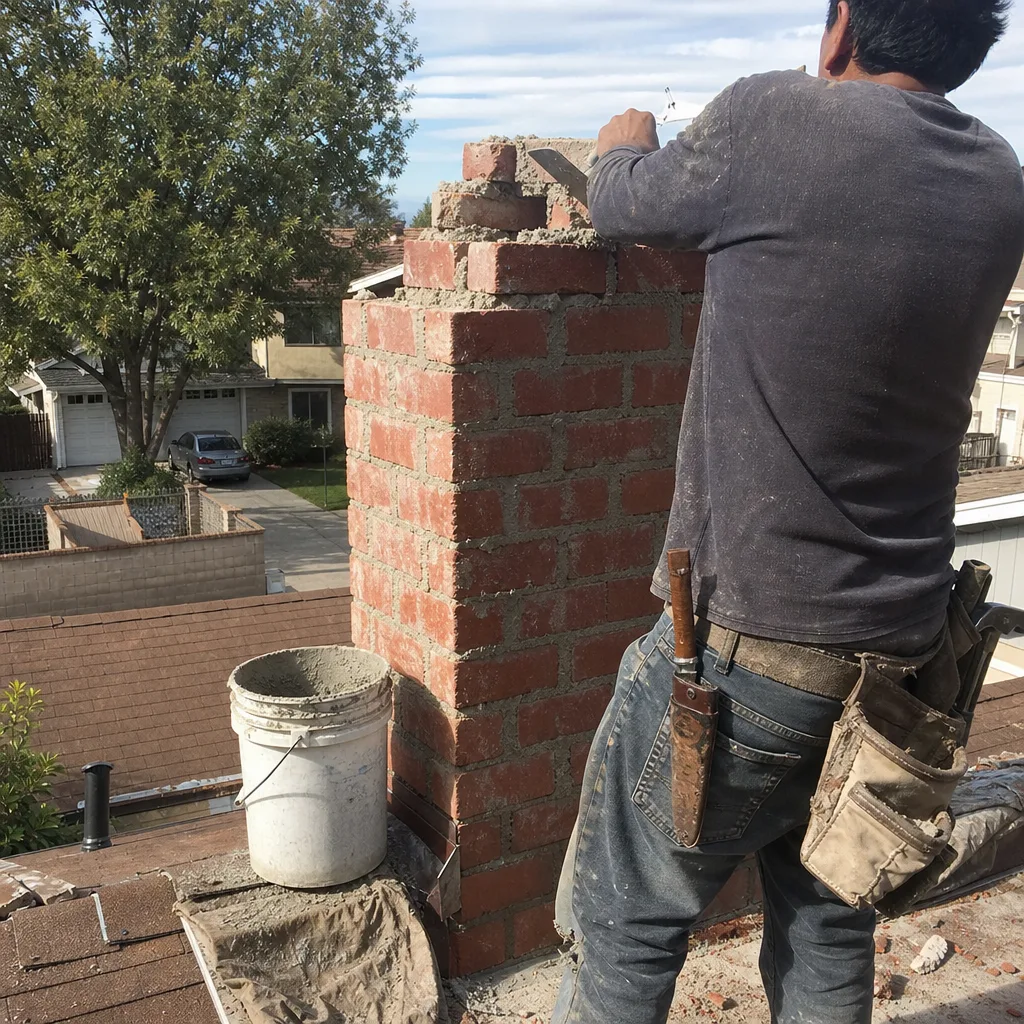
- Sweep & inspection
- Caps & crowns
- Flue relining
- Masonry repair
- Gas fireplace service
Table of Contents
- Why Dormancy Is the Real Threat in East Anaheim
- Closing Out the Season: April and May Tasks
- Summer in East Anaheim: UV, Pests, and June Gloom
- Fall Pre-Season Checklist and the First Test Burn
- How Wildfire Smoke Affects an Unused Chimney
- The Year-Round Flue Cap Maintenance Schedule
- What an Annual Inspection Actually Covers
- The Whole System, Top to Bottom
Why Dormancy Is the Real Threat in East Anaheim
A chimney in a cold-climate state has it rough in January, but it also gets used constantly, which means the homeowner notices changes fast: a draft that worsens, smoke that rolls into the room, a rumbling sound. In East Anaheim, a fireplace might burn for three or four months and then sit silent through long stretches of warm, dry weather. That silence is where problems hide. Nobody’s watching the crown. Nobody’s checking whether the cap screen is still intact. The chimney degrades slowly and quietly until someone finally lights a fire and gets a face full of smoke, or worse, a carbon monoxide detector goes off.
The mild climate does a specific kind of damage. Summer daytime heat on a south- or west-facing crown expands the masonry; cool nights contract it. Over a full season of that cycling, hairline cracks widen. Add the marine layer that pushes inland during June Gloom and you get brief periods of moisture working into those cracks, then drying out, then repeating. It’s not the freeze-thaw drama of a mountain climate, but it’s steady, cumulative wear that doesn’t announce itself.
The point is straightforward. In East Anaheim, chimney maintenance has to happen on a schedule, not on a feeling. You can’t wait for a symptom because the symptoms show up too late.
- The visible part (crown, cap, flashing) takes the most weather and degrades the fastest.
- The hidden part (flue liner, smoke chamber) degrades quietly and shows up as smoke or draft problems.
- The living part (birds, rodents, insects) moves in the moment the flue is open and unused.
Closing Out the Season: April and May Tasks
National chimney guides tell homeowners to sweep in the fall, right before burning season. In a cold-climate state that makes sense. In East Anaheim, it’s backwards. The right time to sweep and inspect is right after the last fire of the season, in April or early May. That gives you a clean flue, fresh knowledge of its condition, and a full summer to fix anything the inspection finds before it becomes a fall emergency.
The end-of-season close-out is short but specific:
- Sweep the flue. Creosote and soot sit in the flue all summer otherwise, and creosote is corrosive when it stays put and absorbs moisture. A clean flue doesn’t corrode.
- Get a full inspection while it’s clean. Camera inspection is only useful on a clear flue. A licensed chimney inspector sees things the smoke obscured during the season.
- Empty and clean the firebox. Ash holds moisture. Leaving a half-inch of ash is fine for the next fire; leaving a mound of it all summer is not, especially in a firebox with a metal grate that can rust.
- Check the damper. Open it fully, close it fully, make sure it seats. A damper stuck partway open is an open door for pests and drafts all summer.
- Note the exterior. A quick look at the crown and cap on a dry day in May tells you whether the summer inspection needs to focus there.
We’ve seen plenty of East Anaheim homeowners wait until the first cold night in November to call, and by then the flue hasn’t been looked at in over a year. That’s the longest gap you want to stretch. The April sweep gives you a clean slate and a full six months of grace to handle whatever the inspection finds.
If you’re not sure whether the firebox needs more than a cleaning, fireplace repair is worth a quick look before the season ends.
Summer in East Anaheim: UV, Pests, and June Gloom
Summer is the season when a chimney in East Anaheim either holds up or quietly falls apart, and nobody’s there to watch it happen. Three things go to work at once.
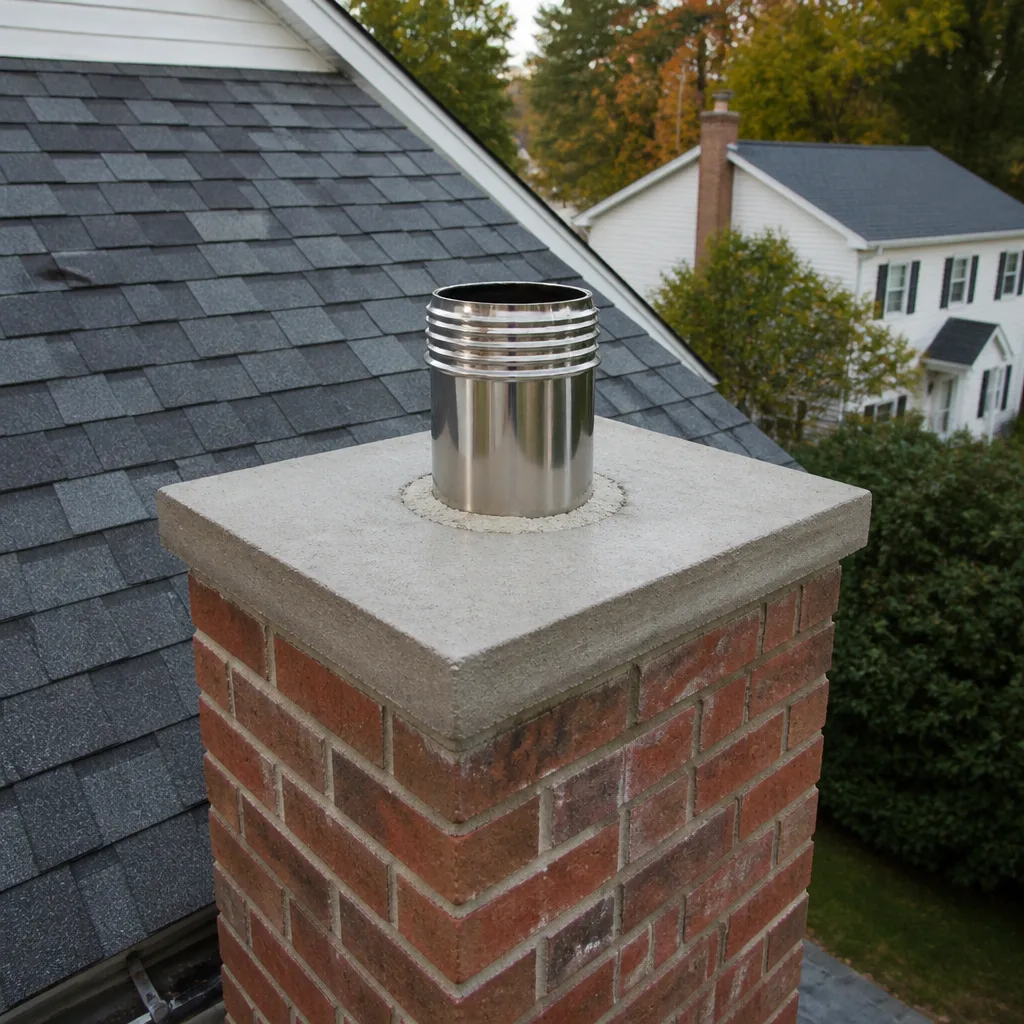
UV and heat on the crown. The crown is the concrete cap at the top of the chimney that sheds water away from the masonry below. In full sun, it expands daily. Over a summer, a crown with a hairline crack becomes a crown with a real crack, and once water gets into the brickwork below, it finds its way down. A cracked crown is one of the most common things we find in East Anaheim, and it’s simple to fix if it’s caught early and expensive if it isn’t. Products like Copperfield are made specifically for crown and masonry repair so the fix matches the original material.
Pest exclusion. Birds, especially starlings and sparrows, treat an open flue as prime real estate. A flue cap with a damaged screen, or a cap with no screen at all, is an invitation. Nests block the flue, restrict airflow, and introduce debris that changes how the chimney drafts. Rodents and insects use the cap as a shelter too. The single most common emergency call we get is a bird nest in an open flue, and it’s entirely preventable with a proper cap screen.
Moisture cycling during June Gloom. The marine layer pushes inland from the coast and back out again, sometimes for weeks. Chimney masonry that’s sound shrugs this off. Masonry with existing cracks absorbs the moisture and dries out slowly, and every cycle weakens the joint a little more.
- Inspect the cap screen from the ground with binoculars; if it looks torn or missing, that’s a call.
- Schedule an inspection in June or July while the crown is visible and dry.
- If you see crumbled mortar on the roof or in the yard below the chimney, don’t wait.
Fall Pre-Season Checklist and the First Test Burn
By October in East Anaheim, you want the chimney ready, not in the middle of repairs. The fall checklist is short if the year-round routine was kept up, and it’s the last chance to catch something before the season starts.
- Clear the firebox and the damper. Remove ash, remove any debris a bird or rodent dropped into the firebox, then open and close the damper fully to confirm it moves.
- Check the cap and screen again. Summer is when a screen fails. Look at it before you light.
- Confirm a professional inspection is current. An inspection from April or May is fine for October. One from two years ago isn’t.
- Test the draft before the first real fire. Do this with a small, hot, well-seasoned burn – not a full load of wood. Hold a lit match near the open damper; if the flame draws up and out, the chimney is drafting. If it flattens or wafts into the room, stop and call.
- Listen on the first burn. Crackling from inside the chimney (not the firebox) can indicate creosote igniting, and that’s a stop-and-call situation. Any smoke rolling into the room on the test burn is a draft problem, not a “give it a minute” problem.
The first fire of the season should always be a test burn, and the reason is simple. A chimney that hasn’t drafted warm air in months can have a cold plug of dense air in the flue, a partial nest, or a damper that was closed all summer and has rusted into a bad position. A five-minute test burn catches every one of those before you’ve built a full fire and settled in for the evening. If anything smells off – a strong smoky odor that lingers, a smell that reminds you of burnt plastic, or smoke drifting back into the room – shut down the fire, air out the room, and call for an inspection.
If you don’t have a current inspection booked, the simplest path is to schedule a chimney sweep in early fall and have the inspection done in the same visit.
How Wildfire Smoke Affects an Unused Chimney
Southern California sees wildfire smoke in the air most years, and it doesn’t care whether your fireplace is lit. Smoke is particulate, and a chimney that isn’t in use still has openings: the flue if the damper is open, the firebox if it isn’t capped properly, and any gap in the cap screen. The smoke doesn’t turn an unused chimney into a hazard overnight, but it does deposit particulate on the flue walls, and accumulated deposits can hold moisture and smell stale when the chimney is first used again.
The bigger risk in a wildfire smoke event is the reverse: many homeowners assume that because the fireplace is off, the chimney is sealed. In practice, a sound chimney with a closed damper is essentially sealed, and that’s what you want. The problem is the unknown state of the cap screen or crown. If you’re not sure, a quick inspection after the smoke clears tells you what, if anything, needs attention.
- During a smoke event, keep the damper closed and avoid running the fireplace.
- After the smoke clears, if you smell stale smoke when you next light a fire, that’s a sign the flue needs a sweep.
- If a wildfire has been visible from East Anaheim, an annual inspection that was already due is worth booking a bit earlier.
Wildfire events aren’t a reason to panic, but they are a reason to keep the annual cadence. The chimney is doing its own thing out there whether you’re using it or not.
The Year-Round Flue Cap Maintenance Schedule
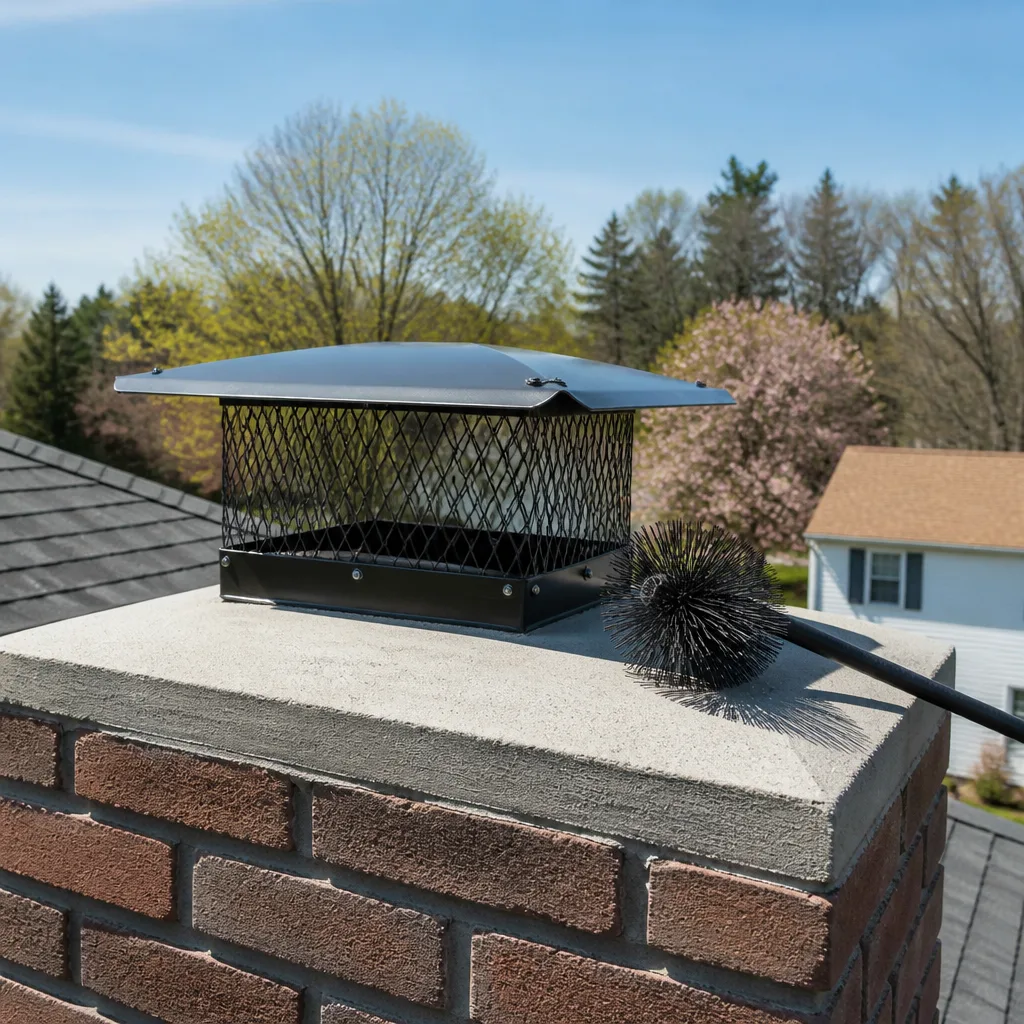
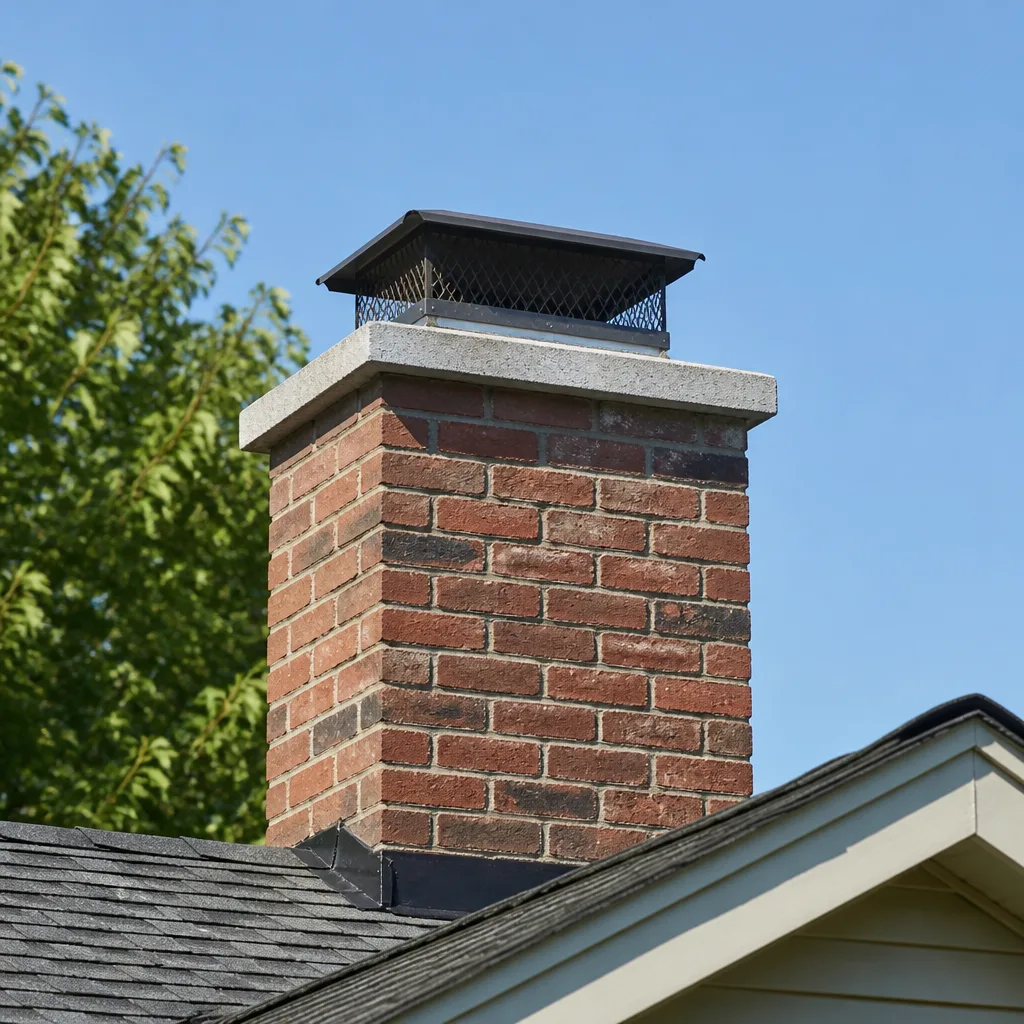
The chimney cap is the single most important component for preventing the most common emergency in East Anaheim: birds and debris in an open flue. A cap does two jobs at once. Its solid top sheds water away from the flue opening; its mesh screen keeps out birds, squirrels, and the larger insects. Without a screen, a bird can build a nest in a single summer, and the first fire of fall will push smoke and heat into it.
Here’s the year-round schedule we recommend:
- April/May. After the final sweep and inspection, confirm the cap screen and solid top are intact. Note any rust on the mesh.
- July. Mid-summer check – look at the screen from the ground. Nest-building peaks in late spring and early summer.
- October. Pre-season check before the first burn. Clear any debris that’s built up on the solid top.
- Any time. If a piece of screen rusts away, replace the cap. Products like Famco and Olympia Chimney are built specifically for this application and hold up better than generic screens.
Replacing a cap is a modest job if the cap itself is sound and only the screen is damaged, but if the cap hasn’t been changed in many seasons and is showing rust at the seams, a full replacement is usually the better value. The flashing around the base of the cap – where it meets the flue tile – is worth checking at the same time, because that’s where leaks start. If you’re not sure, a chimney cap & crown inspection answers it in a few minutes.
What an Annual Inspection Actually Covers
An annual chimney inspection is not a sales pitch for a sweep, and it isn’t a five-minute look-see. A real inspection covers the full system, top to bottom, and produces evidence you can see for yourself. That matters because the biggest worry homeowners have is being told they need a new liner they can’t verify. Every recommendation should come with camera footage or photos of the actual flue, and every “we recommend” should be tied to a specific finding.
What a proper inspection should cover:
- The firebox and damper. Masonry condition, damper operation, and whether the firebox lines are intact.
- The smoke chamber and smoke shelf. Where most chimney-to-house smoke problems originate.
- The flue, by camera. Cracked tiles, gaps in mortar joints, or the condition of a metal liner if one is present.
- The crown and cap. Cracks, spalling, screen condition, and flashing integrity.
- The exterior. Mortar joints and brickwork on the visible chimney stack.
Once an inspection is done, the report should tell you plainly what’s urgent and what can safely wait a season. Something like a hairline crown crack is patchable and doesn’t need immediate action. A flue with a gap in the liner does, and it’s worth knowing the difference. We use HeatShield ceramic resurfacing for many interior liner repairs – it’s a repair-tier material, not a patch – and DuraFlex flexible liner systems for older or irregular flues where a standard liner won’t fit the shape. The point of naming the material is that the fix is matched to the actual flue, not to whatever is cheapest to install.
The Whole System, Top to Bottom
Chimney care in East Anaheim works best when it’s treated as one system rather than five separate chores. The crown, the flue, the firebox, the cap, and the fireplace all depend on each other. A crown that’s shedding water properly protects the flue below it. A sound cap keeps debris out of the flue. A clean flue drafts properly, and a fireplace that drafts properly doesn’t smoke into your living room. Break any link and the whole chain wears faster.
The practical consequence is that a single provider who can inspect, sweep, and repair the whole chimney saves you the trouble of finding a separate mason, a separate sweep, and a separate liner specialist. It also means the same set of eyes sees the whole system and the fix is specified against the actual condition of the flue, not against a generic assumption. When we quote a job, the recommendation comes after the inspection, not before it.
If you’ve recently bought a home in East Anaheim and inherited a chimney with no service history, that’s the strongest reason to book a full inspection before the first fire. Existing homeowners with an active fireplace benefit from the annual cadence; new buyers benefit from learning what they have.
The full schedule: spring sweep and inspection, summer cap and crown checks, fall test burn, and a full inspection anytime a symptom shows up. For a complete overview of what we cover, start at Chimney Sweep East Anaheim.
Common Mistakes to Avoid
- Waiting until November to sweep. The national habit is a fall sweep, but in East Anaheim that leaves the flue dirty all summer and shortens your window to handle any inspection findings. Sweep in April or May instead.
- Skipping the summer cap check. Birds build nests in a matter of weeks. A torn screen in June is a blocked flue in September if nobody looks.
- Lighting a full fire as the first burn. A small test burn tells you more about draft and flue condition than any guess. If the test smokes, the full fire would have been worse.
- Ignoring a hairline crown crack. Small cracks widen with UV and thermal cycling. A patch in June is cheaper than a rebuild in October.
- Burning unseasoned wood “just this once.” Green wood deposits more creosote per fire than dry wood, and creosote is the fuel for a chimney fire. Seasoned wood matters more than any brand of log starter.
- Treating “it doesn’t smell like smoke” as proof the flue is clear. A nest in a flue doesn’t always produce a smell until the first burn. The inspection is the evidence, not the nose.
- Assuming a recent home inspection covers the chimney. A general home inspector looks at what’s visible from the ground and may not run a camera or check the crown. A chimney-specific inspection does.
See the difference
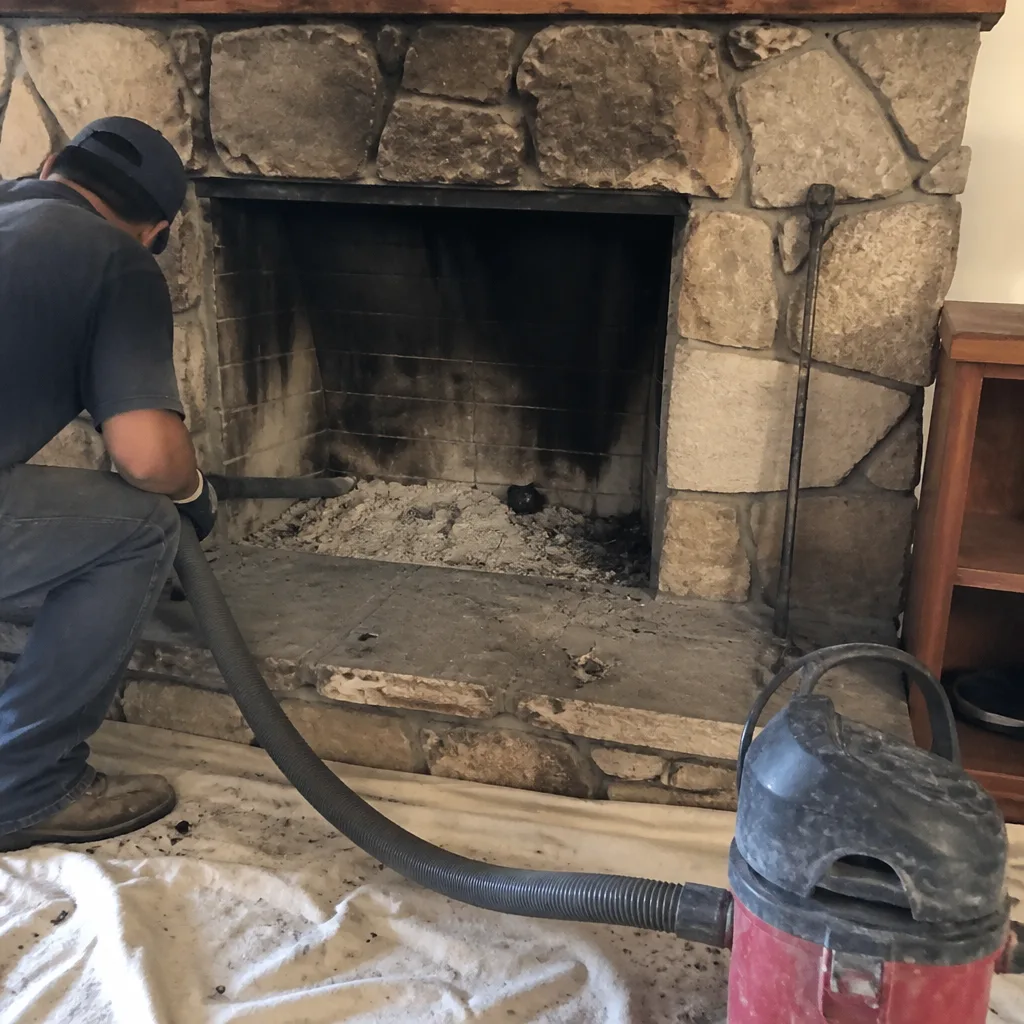 Before
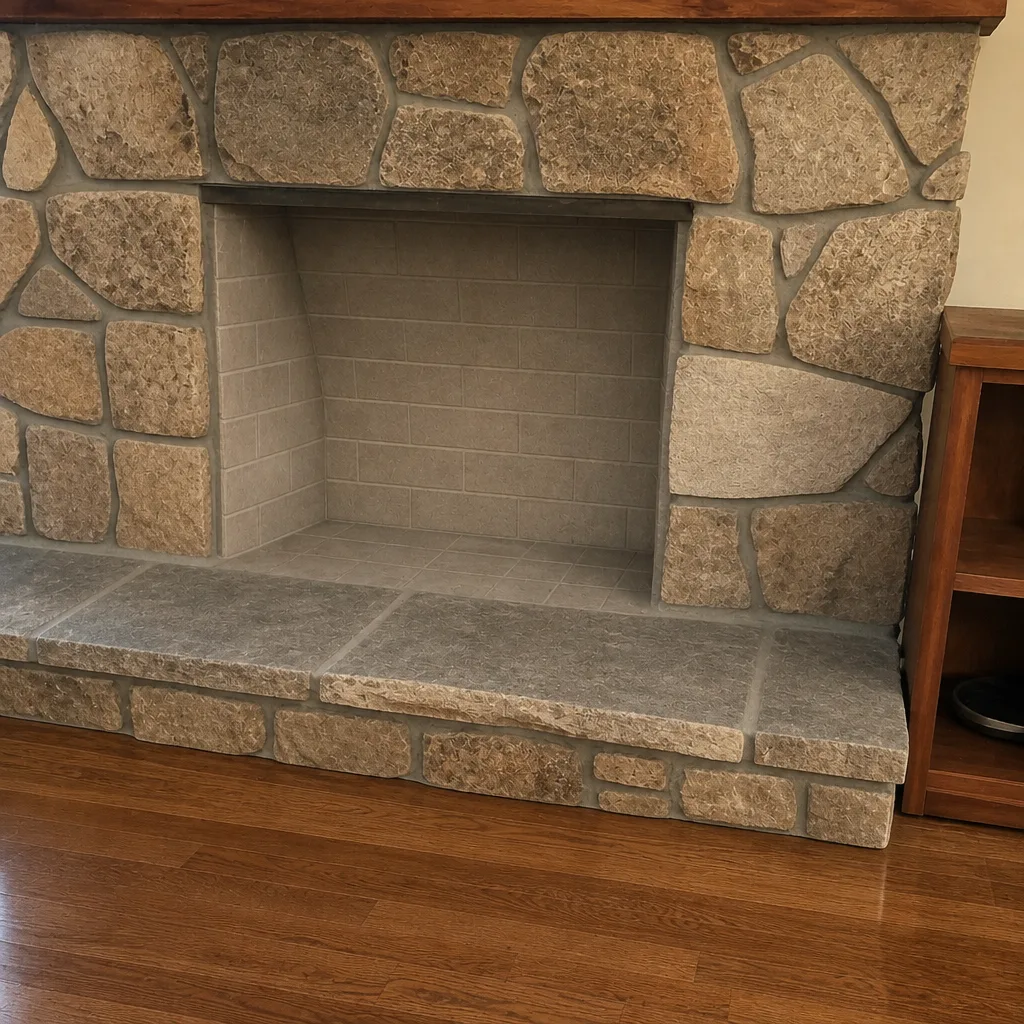 After
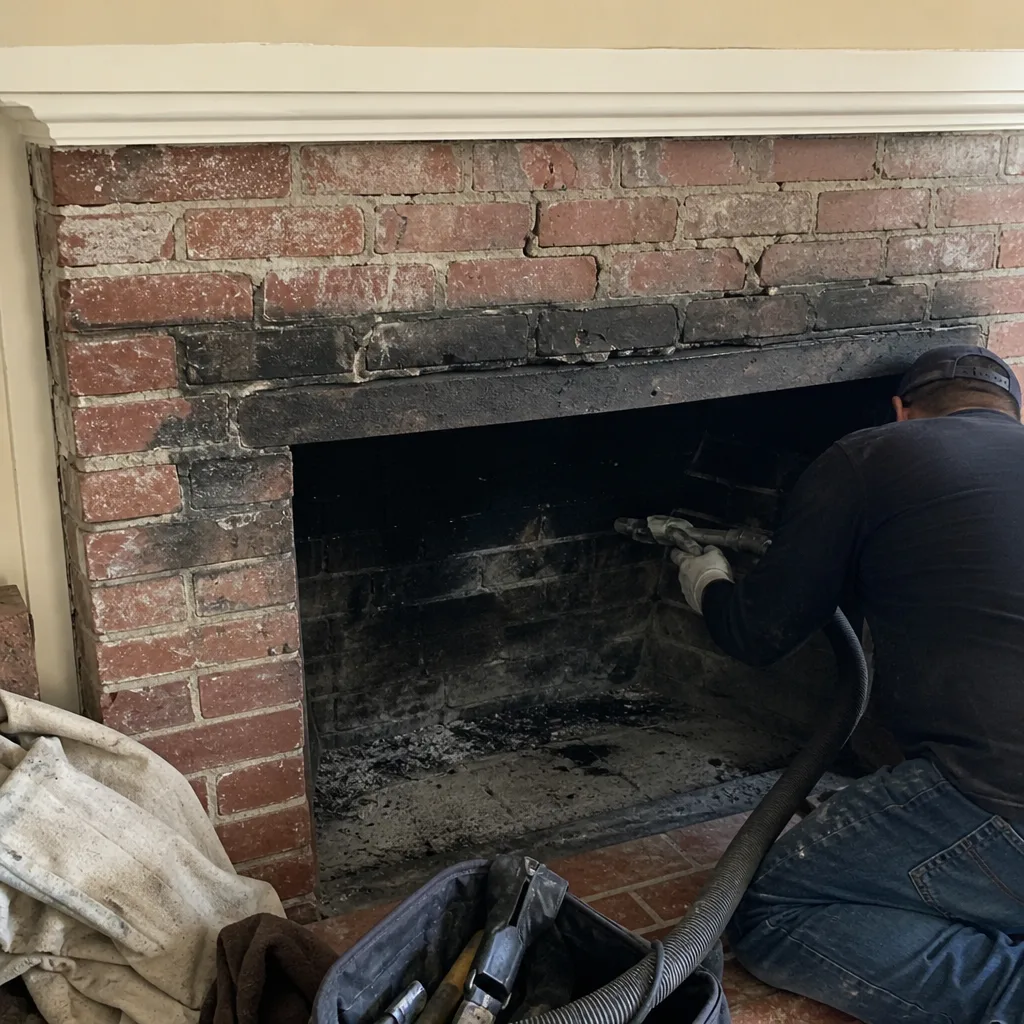 Before
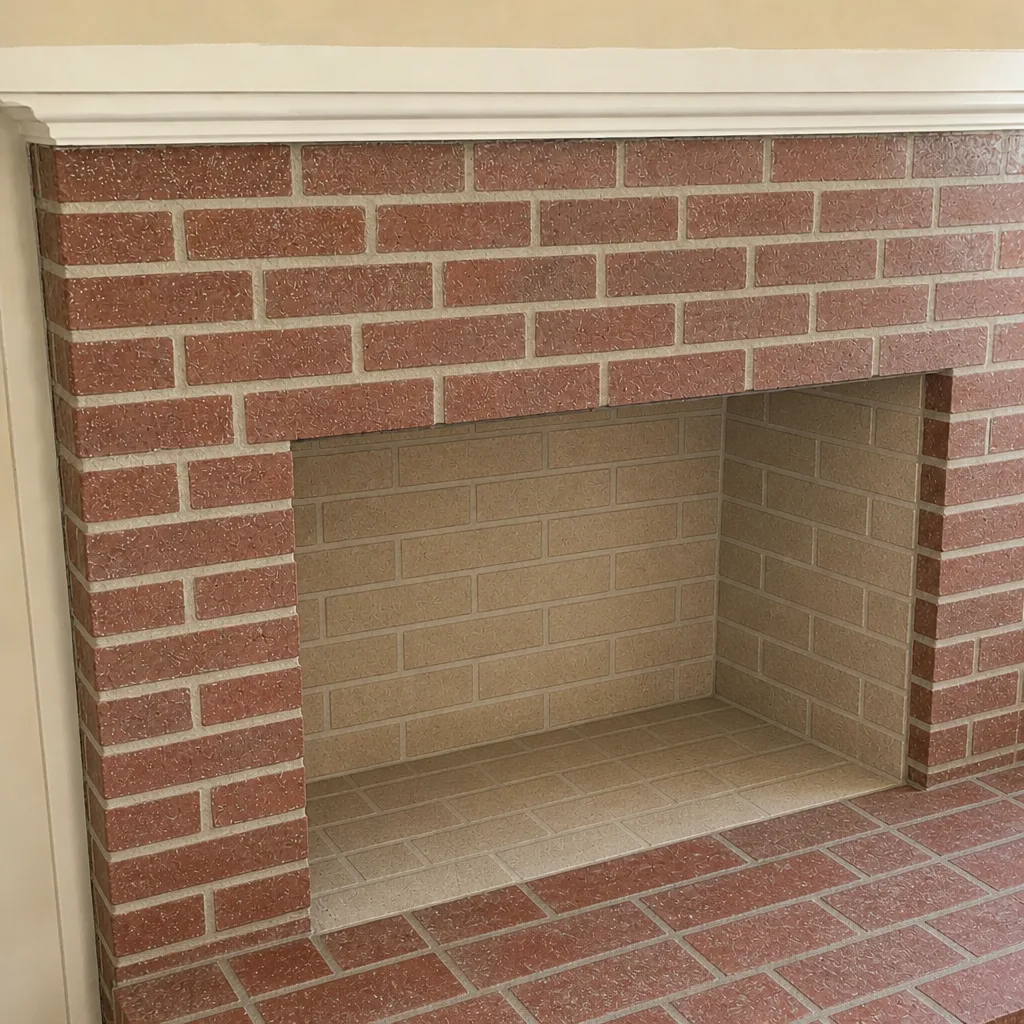 After
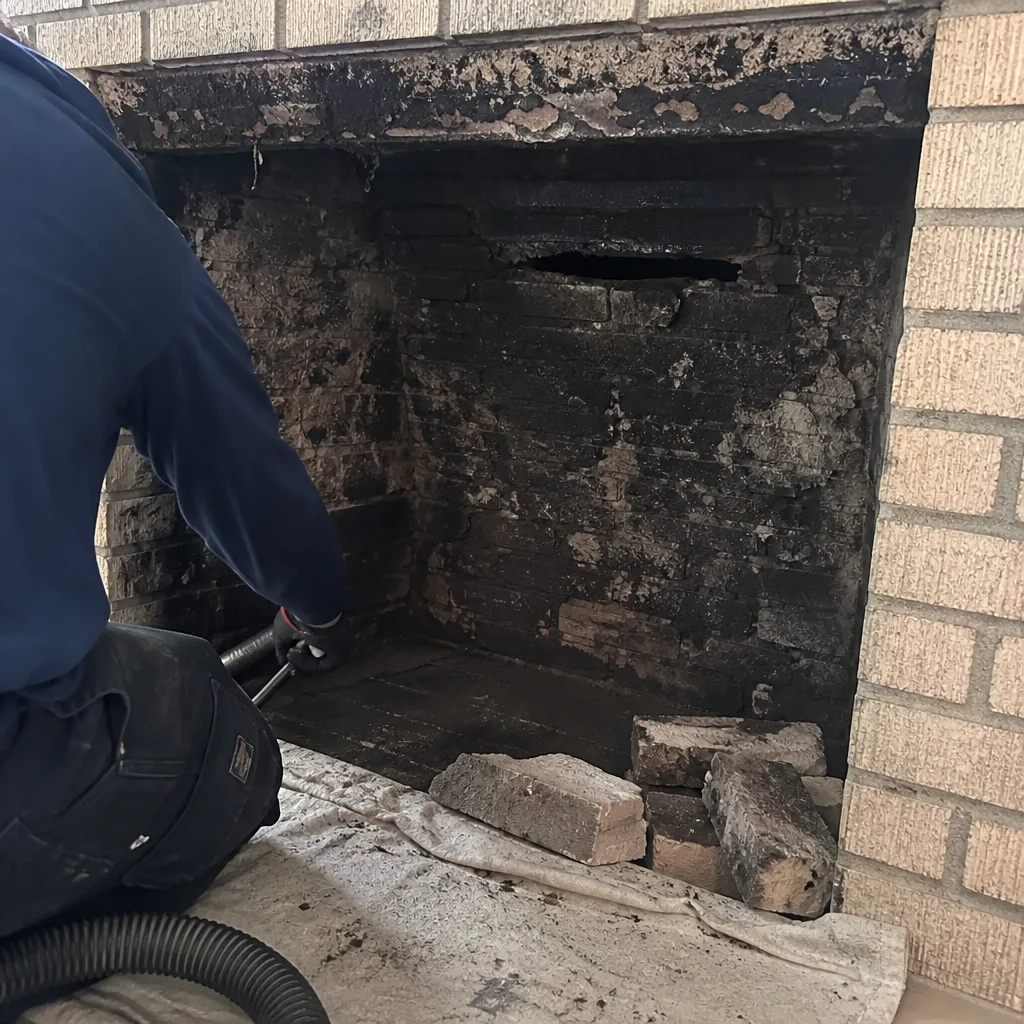 Before
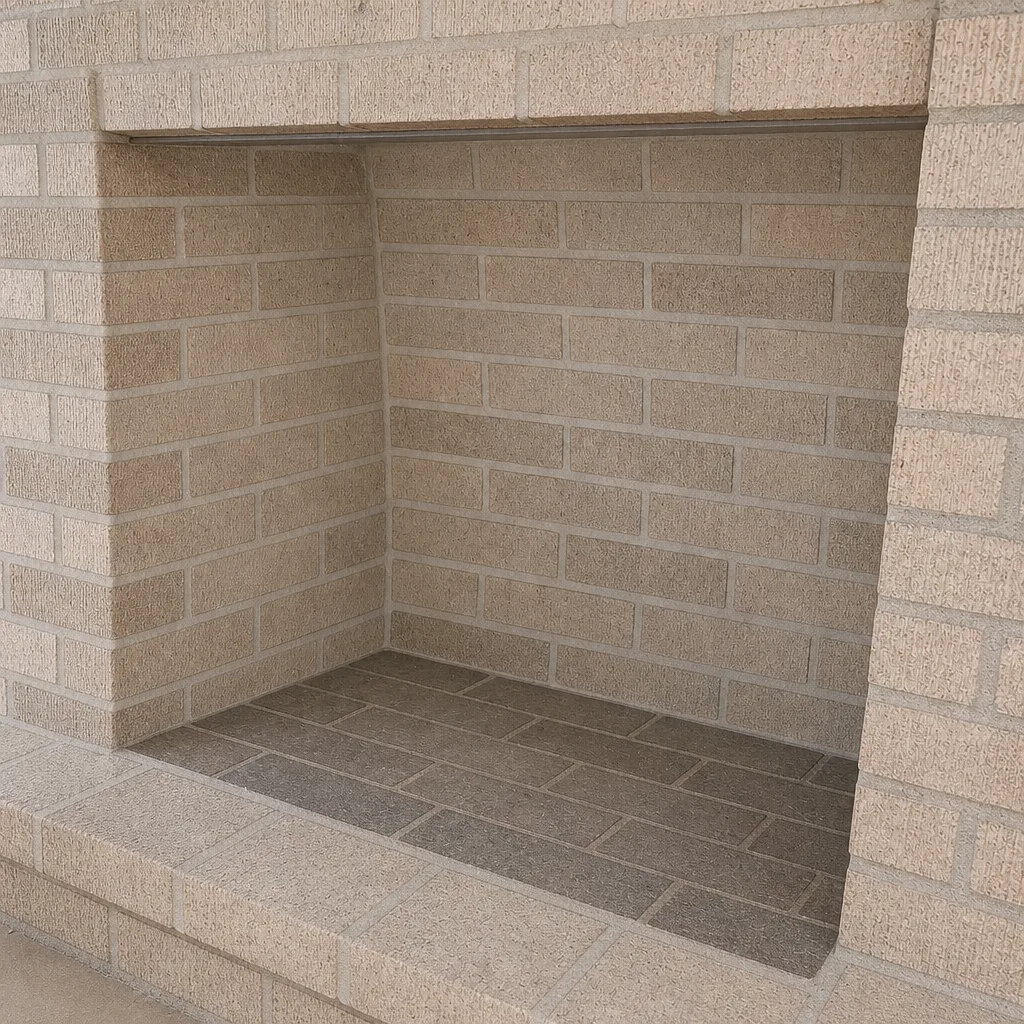 After
When to Call a Professional
Not every chimney issue needs a call, but some clearly do. Call if smoke rolls into the room on the test burn, if you smell stale smoke in the house when the fireplace is off, if you see crumbled mortar on the roof or in the yard below the chimney, if a bird or rodent is visible in the firebox, if the cap screen is torn or missing, or if your carbon monoxide detector has triggered at any point. Call after a wildfire smoke event if the flue smells stale on the next burn. And call if you’ve moved into a home in East Anaheim with a fireplace and no service record – the first inspection is the most valuable one. Chimney Sweep East Anaheim offers free estimates in East Anaheim. Call (833) 997-1267. We answer 24/7. Fast dispatch from 7am to 7pm, Sunday through Friday.
Frequently Asked Questions
Once a year during active use, and once at the end of the season if you burn regularly. In East Anaheim, that means an annual sweep in April or May, plus a professional inspection at the same time. A homeowner who burns only occasionally can stretch to every other year, but only after an inspection confirms the flue is still clear. Call (833) 997-1267 for an exact quote – estimates are free.
Because dormancy exposes the chimney to the wear it doesn’t get during use. UV and heat cycling on the crown, pest activity in an unused flue, and June Gloom moisture all act on a chimney that has nobody watching it. The flue itself doesn’t need cleaning in summer, but the crown, cap, and screen do. An inspection in June or July catches problems before fall.
Not entirely. A flue that’s never swept accumulates creosote that can ignite even years after the last fire, and a flue that’s dormant allows birds and pests in the whole time. The safe routine in East Anaheim is an annual inspection whether or not you burned heavily, and a sweep only when the inspection shows it’s needed. Call (833) 997-1267 – the first look is the one that matters.
Only if the camera shows the existing flue is compromised – cracked tiles, opened joints, or a liner that’s failed. HeatShield resurfacing and DuraFlex liners are legitimate fixes for real damage, but the damage should be visible in the inspection footage before you commit. Ask to see the camera report; any honest visit will show it. Call (833) 997-1267 for an inspection quote.
Usually nothing dramatic, until it is. The realistic outcomes are a crown crack that widens, a bird nest that blocks the flue, or a creosote load that reaches a dangerous level. A year isn’t a crisis, but the annual inspection is what keeps a skipped year from becoming a skipped decade. Call (833) 997-1267 to get back on schedule – estimates are free.
Yes. Birds nesting in an open flue is the most common emergency call we get, and a cap with an intact screen prevents it entirely. Famco and Olympia Chimney caps are built for the application; a generic screen rusts through in a season or two. Worth checking the screen every spring and fall. Call (833) 997-1267 for a cap inspection – it’s a short visit.
The Bottom Line
East Anaheim’s mild climate doesn’t protect your chimney – it just hides the damage. Dormancy is the real wear: UV and summer heat on the crown, June Gloom moisture in the joints, pests in an unused flue, and a fireplace that hasn’t been tested in months. The year-round routine is spring sweep and inspection, summer cap and crown checks, fall test burn, and a real inspection anytime something changes. Do those, and the first cold night of the season is a quiet one. Skip them, and the chimney tells you when it’s ready. If you need an inspection or a sweep, call (833) 997-1267. We answer 24/7. Fast dispatch from 7am to 7pm, Sunday through Friday.
Written by the team at Chimney Sweep East Anaheim.