
Last updated November 24, 2026
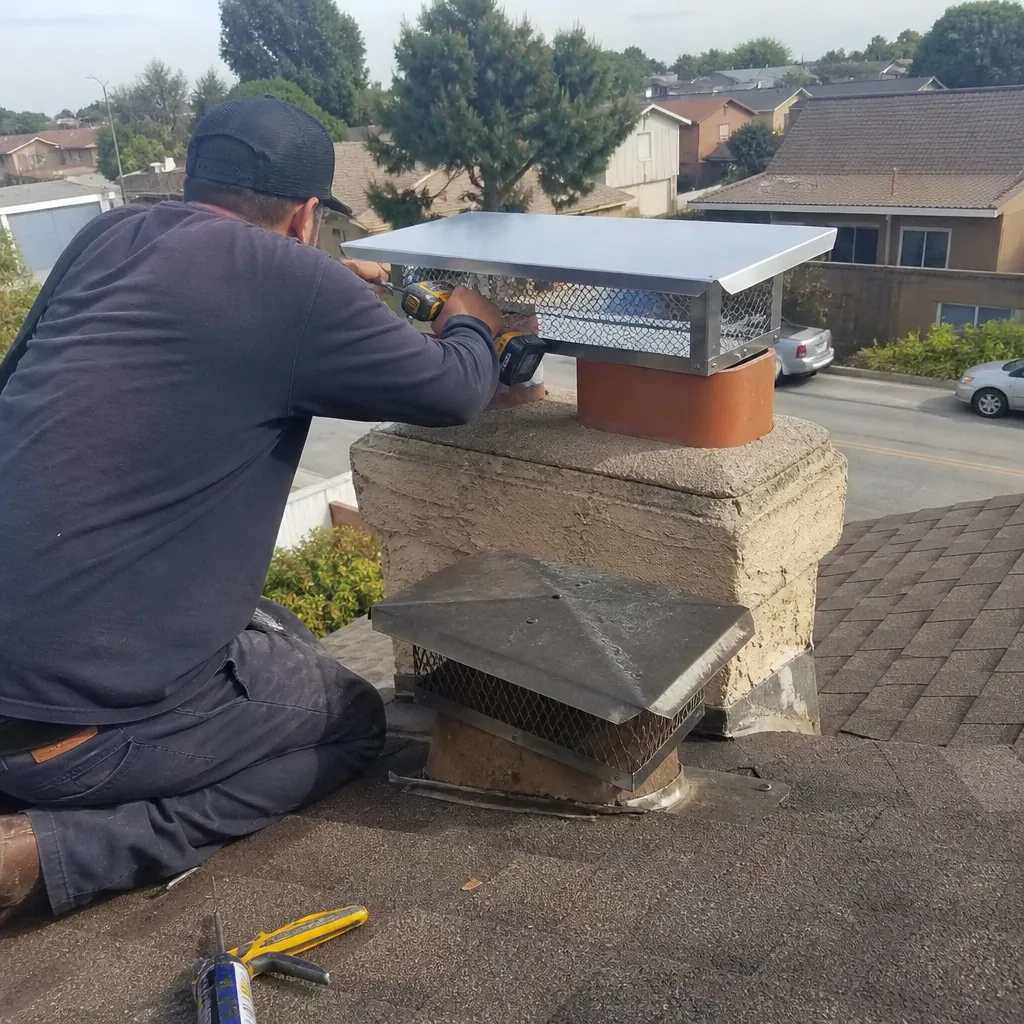
 Sweep & inspection
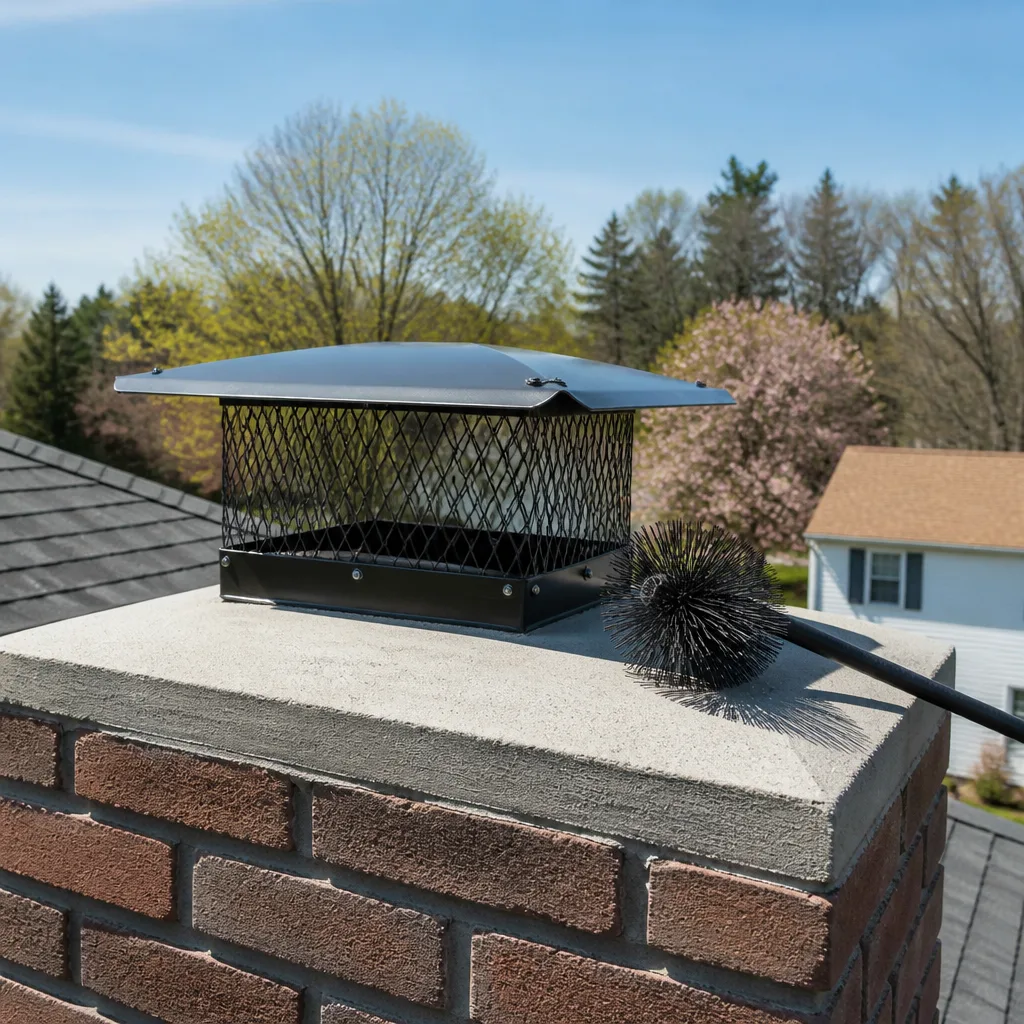
 Caps & crowns
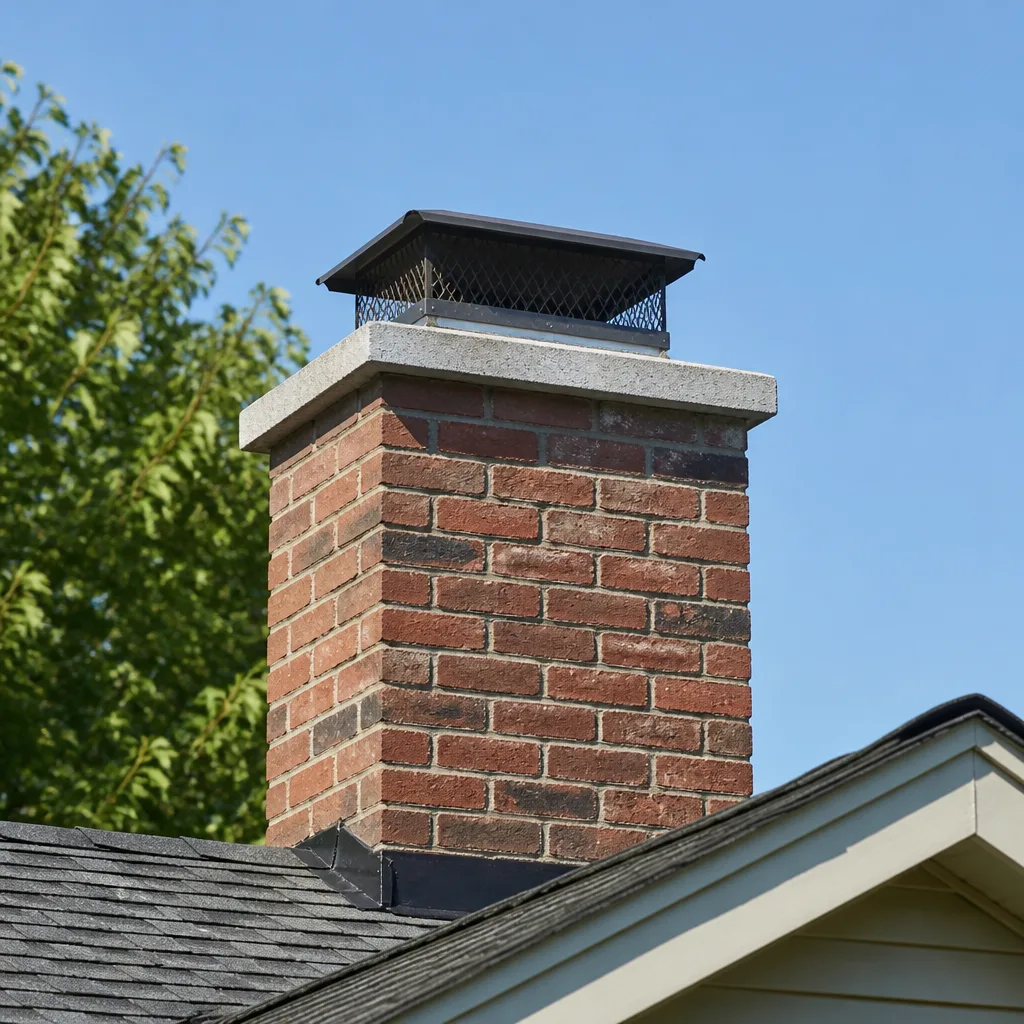
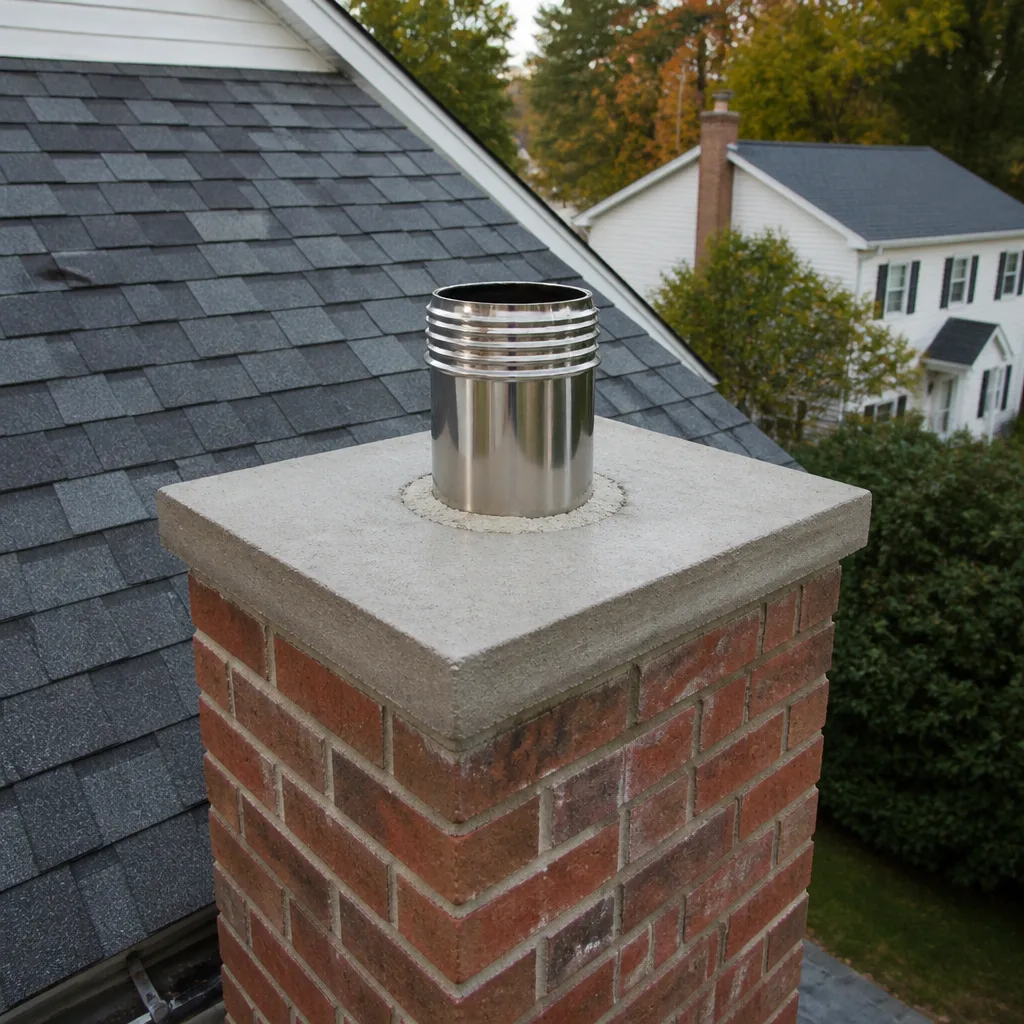 Flue relining
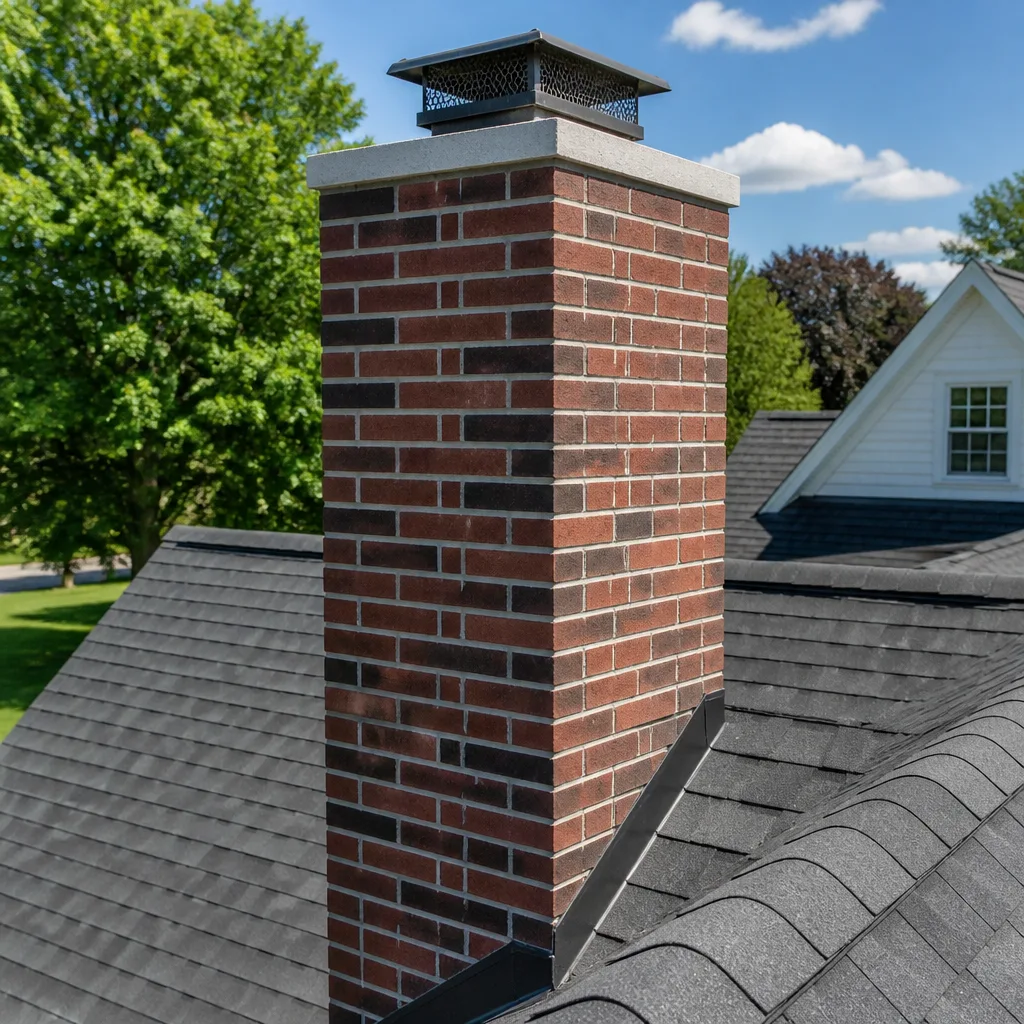 Masonry repair
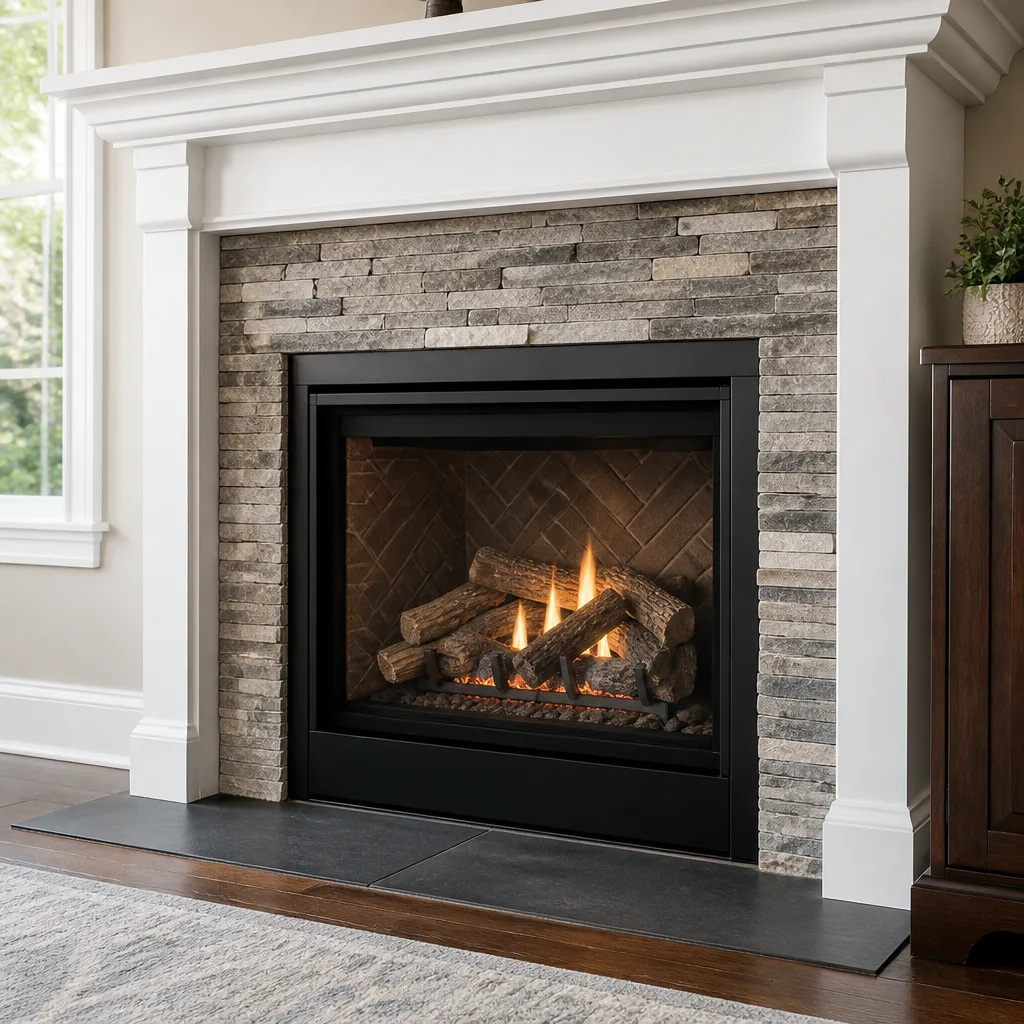 Gas fireplace service
Level 1 sweep and inspection to the NFPA 211 annual standard - flue, crown, cap, and flashing checked and photographed
Chimney sweep logs do not sweep chimneys. They loosen some creosote - which then falls where a brush and vacuum still have to collect it.
Chimney Cleaning Emergency Preparedness Guide for East Anaheim Homes
Most people picture a chimney fire as a roar, a shake in the flue, maybe flames at the top of the stack. In a partially blocked or heavily creosote-lined flue, the reality is quieter and worse. A slow-burning chimney fire can creep along the liner for hours, pushing heat into the framing around the chimney long before anything shows at the roofline. That gap between what’s happening inside the flue and what you can see from the yard is exactly where the danger lives. This guide covers how to spot an event in progress, what to do in the first minute, what a gas appliance CO failure looks like, and why the inspection after the event matters more than the cleanup. Everything here is written for East Anaheim homes.
Quick Answer
A chimney emergency in East Anaheim is almost always preventable, and it falls into one of three patterns: a chimney fire from creosote buildup, a carbon monoxide event from a blocked or damaged flue on a gas appliance, or a flue blockage from nesting material or a failed cap. Call 911 first if you suspect a fire in progress or smell gas or exhaust indoors, then get out and stay out. After any fire, CO alarm, or earthquake, the chimney has to be inspected before you relight. An annual inspection and sweep catches the cause of all three before the emergency phone call ever gets made.
Styles & brands we work with
- Sweep & inspection
- Caps & crowns
- Flue relining
- Masonry repair
- Gas fireplace service
Table of Contents
- The Three Emergency Patterns We See in East Anaheim
- How to Recognize a Chimney Fire in Progress
- The First 60 Seconds: What to Do
- Gas Fireplaces, Log Inserts, and Carbon Monoxide
- The Post-Event Inspection Protocol
- Clay Tile Liners vs. Stainless Steel After a Fire
- Building a Chimney Emergency File
- Prevention: What Actually Keeps You Out of Trouble
The Three Emergency Patterns We See in East Anaheim
Chimney emergencies aren’t random. Over the years we’ve noticed the same three problems show up again and again in East Anaheim homes, and each one has a maintenance cause you could have caught earlier.
Pattern one: the slow chimney fire. Wood smoke leaves creosote on the flue walls, and thick creosote burns hot once it ignites. In a flue that’s partially blocked or glazed with a heavy layer, the fire can burn slowly and quietly, transferring heat into the wall framing on the other side of the masonry. This is the one that surprises homeowners, because nothing dramatic happens at the roofline. It’s the reason a properly sized, clean flue matters more than any single accessory on the fireplace.
Pattern two: the carbon monoxide event. Gas fireplaces and gas log inserts vent combustion byproducts up the same flue a wood fire uses. When that flue gets blocked by a collapsed liner, a bird nest, or a failed cap, exhaust has nowhere to go but back into the room. This is a medical emergency, not a performance issue, and we’ll dig into what it looks like in its own section below.
Pattern three: the sudden blockage. A cap that’s lost a screen, a cracked crown, or a sweltering season’s worth of nesting material can close down a flue you’ve used all winter. In East Anaheim, where a lot of homes have mature trees near the chimney, this shows up most often as smoke rolling back into the living room instead of up the stack. It feels like a drafting problem and it’s really a blockage.
All three share one thing. They have a preventable cause. A camera inspection and a sweep catch creosote before it gets thick, catch a damaged liner before it collapses, and catch a failing cap before the birds move in. If you’re scheduling that maintenance proactively, our chimney sweep service covers the full flue from top to bottom.
How to Recognize a Chimney Fire in Progress
A chimney fire doesn’t always announce itself. The roaring kind, where you hear a rumble or a crackle inside the flue and see flames or sparks at the top of the stack, is the obvious case. The other kind burns slowly and quietly, which makes recognition a matter of knowing what to look for.
Sounds
- A low rumble or a rhythmic pinging from the chimney, especially a metallic ticking that sounds almost like a machine running inside the wall
- Crackling or popping that continues well after you’ve stopped feeding the fire
- A sudden whooshing sound from the firebox, like a draft pulled hard
Smells
- A hot, tarry, smoky smell inside the house that doesn’t clear when you open a window
- The sharp smell of burning creosote, which is distinct from wood smoke and closer to burning rubber or asphalt
Visual indicators
- Creosote flaking off the cap or landing on the roof
- Discoloration, warping, or heat damage on the chimney cap, screen, or crown
- Smoke coming through the masonry joints or around the flashing where the chimney meets the roof
- Pieces of clay tile on the roof, which indicates the liner has already cracked from heat
A chimney fire can move heat into wall framing without any visible sign at the roofline, so a slow one is the harder one to catch. If you notice any of these signs, treat it as an active fire, not an inconvenience. The next section covers the first 60 seconds.
The First 60 Seconds: What to Do
This is the sequence for a suspected chimney fire in progress. Follow it in order. The speed matters less than the order, so take a breath and work down the list.
- Get everyone out. Adults, children, pets. Grab a coat if it’s cold outside but skip everything else.
- Call 911 from outside the house. Tell the dispatcher you suspect a chimney fire and whether you can see smoke or flames at the roofline. Do not go back inside to check.
- Do not close the damper if you can help it. If you can safely reach the damper handle from outside the firebox, leave it open; if you can’t, don’t re-enter to reach it. A closed damper on an active fire concentrates heat and pressure, which is worse.
- If the fire is in the firebox and you can safely reach it from the same room you’re standing in, close the firebox doors or glass. Do not try to extinguish a fire inside the flue, and do not spray water into the chimney.
- Get to a spot where you can see the roofline and stay there. Note whether smoke is dark, whether sparks are visible, and whether the cap looks damaged. The fire department will ask.
- Do not relight after the fire department leaves. An inspection has to happen first. This is the step people skip and the one that matters most.
In our experience, the hardest part for homeowners is the last item. The fire seemed small, the fire department said the structure was safe, and the fireplace looks fine. But a slow-burning fire can leave heat damage inside the flue that you cannot see from the firebox. Relighting before an inspection puts a fire back into a damaged liner, which is where a small event becomes a structural one. Whether it’s a fire or just the once-a-year maintenance, calling a professional to Chimney Sweep East Anaheim covers the inspection and the sweep in one visit.
Gas Fireplaces, Log Inserts, and Carbon Monoxide
A blocked or damaged flue on a gas appliance is a carbon monoxide emergency, not a performance issue. That distinction matters because the symptoms don’t look like a chimney problem. There’s no smoke, no smell of creosote, and no visible sign at the roofline. What you feel is headache, nausea, dizziness, confusion, or fatigue that gets worse indoors and better when you leave.
Here’s the part many East Anaheim homeowners don’t know. A gas fireplace and a gas log insert are vented appliances. They send combustion exhaust up the chimney just as a wood fire does. When the flue is blocked by a collapsed liner, a bird nest, or a cap screen that’s gone solid, the exhaust backs into the room. Carbon monoxide is colorless and odorless, so a CO alarm or the way you feel is the only signal you’ll get.
What to do if you suspect it:
- Get everyone outside and into fresh air immediately, including pets
- Call 911
- Do not open the fireplace and do not try to figure out where the blockage is
- Do not re-run the appliance until a professional has inspected and tested the flue
- If you have a CO alarm, note whether it went off and the reading if it has a display
Once the house is clear, the job is an inspection. We use camera inspection on every service visit, and a photo report of the visible flue goes home with you, so you can see the blockage or damage for yourself rather than taking our word for it. Nothing gets recommended without that evidence. If your gas fireplace has never been inspected, or you’ve inherited a home in East Anaheim with one you know nothing about, that should be the next call.
The Post-Event Inspection Protocol
After a chimney fire, a CO event, or a noticeable earthquake, the chimney has to be inspected before you relight. In California, a chimney that’s been through a fire event has changed state, and operating it before an inspection is a code violation, not just a bad idea. The inspection is what confirms the structure is sound enough to use.
A post-event inspection is more thorough than a routine one. Here’s what it involves:
- Exterior assessment. We check the cap, crown, flashing, and masonry for heat damage, cracks, or displaced pieces. Tile or cap debris on the roof is a sign the liner has failed.
- Firebox and damper inspection. A fire in the flue leaves marks in the firebox. We look for heat spalling, cracked firebrick, and damper warping.
- Camera inspection of the flue. This is the step that catches what the eye cannot. We run a camera down the full length of the flue and photograph any cracks, gaps at the joints, displaced tile, or creosote glazing.
- Draft testing. We test whether the chimney pulls the way it should, which catches blockages the camera might not fully reveal.
- Written report and photo documentation. You get a written record of what was found and what was photographed. This matters if you’re making an insurance claim.
For an earthquake, the concern is different but the protocol is similar. Chimney masonry can crack at the joint where it meets the roof, and clay tile liners can crack from the shake even when the exterior looks fine. If you felt a strong quake and haven’t had the chimney looked at since, a camera inspection is a reasonable check. It doesn’t cost you anything to ask.
Clay Tile Liners vs. Stainless Steel After a Fire
The type of liner in your chimney determines how much repair you’re looking at after a fire event, and it’s the single biggest factor in the cost. Clay tile liners and stainless steel liners fail differently, and that difference is worth understanding before you’re standing in front of an inspection report.
Clay tile liners
Clay tile is the standard liner in older East Anaheim homes. It handles normal wood-burning heat well but doesn’t flex. A chimney fire heats the tile unevenly, and clay cracks. Once a tile cracks, the gap between tiles becomes a path for heat and smoke to reach the framing or the surrounding masonry. A single cracked tile can compromise the whole flue run. In some cases the tile can be restored with a ceramic resurfacing system like HeatShield, which seals cracks and rebuilds the flue wall from the inside. In others the tile has to come out and a new liner goes in.
Stainless steel liners
A stainless steel flexible liner handles fire-event heat better than clay because it can expand and contract without cracking. It’s not indestructible. A severe fire can warp a liner at a joint, and a liner that’s been through a fire should still be inspected before relighting. But when it does need replacement, a flexible stainless liner like DuraFlex is the standard choice, and it’s the practical route for older chimneys with irregular or offset flue shapes.
- Clay tile, no visible crack: camera inspection confirms the tile is intact, sweep and reuse
- Clay tile, cracked or displaced: ceramic resurfacing with HeatShield for a repairable flue, or relining if the damage is widespread
- Stainless steel, warped at a joint: reline with a flexible stainless liner like DuraFlex
- Any liner, fire damage: cap and crown inspection as well, since heat damage travels upward
We stock and install DuraFlex for relining and use HeatShield for ceramic flue resurfacing, which means the repair tier and the replacement tier are both available from one visit rather than a referral to a separate contractor. Our technicians have up to 9 years of experience with both types of liner.
Building a Chimney Emergency File
A chimney emergency file is a physical folder or a digital one you keep where you can grab it. The point is to save time for the fire department, an emergency chimney sweep, or an insurance adjuster when something has already happened. When you’re standing on the lawn at 9pm, you don’t want to be searching for a receipt.
What to keep in it:
- Appliance list. Make, model, and year of every fireplace, insert, and wood stove in the house. A photo of the data plate on each one is enough.
- Liner documentation. What type of liner you have, when it was installed, and the installer’s paperwork. If you don’t know, the inspection report will tell you.
- Inspection reports. Every previous inspection, including the camera photos if they were provided, along with the date of the inspection.
- Sweep records. Dates of previous sweeps. If you’ve just moved in and inherited a chimney, write down the date you had it first inspected so you can track the interval from there.
- CO alarm dates. The install date and expiration date of every carbon monoxide alarm in the house. These have a finite service life, and an expired alarm is not protecting you.
- Insurance policy number. Homeowner’s policy number and the claims phone line, in case your carrier gets involved.
- Contact info. A chimney service number and a fire department non-emergency line. In an emergency, use 911 and call the sweep after.
The file doesn’t have to be elaborate. A single folder with the appliance photos, the last inspection report, and the alarm dates covers most of what an inspector or adjuster will ask for. If you’ve never had an inspection, the file starts with the first one. You can request one through our chimney cap & crown and inspection service, and the photo report goes into the folder the same day.
Prevention: What Actually Keeps You Out of Trouble
Every emergency pattern in this guide has a maintenance cause. Prevent all three with the same two things: an annual inspection and a sweep, done by someone who’ll show you what they found on camera.
Here’s the prevention plan, in order of importance:
- Annual inspection. Once a year, top to bottom with a camera. This is what confirms the liner is intact, the cap is secure, the crown isn’t cracked, and the firebox is sound. It catches all three emergency patterns at the stage where they’re a repair rather than an event.
- Sweep on the schedule your burn rate sets. A fireplace you use heavily through the winter needs more frequent sweeping than one you light twice a season. A sweep removes the creosote that fuels a chimney fire before it thickens.
- Cap and crown check every year. A secure cap with an intact screen keeps nesting material out of the flue. A crown that isn’t cracking keeps water out of the masonry. Both are cheap compared to what a blockage or a cracked crown turns into.
- Carbon monoxide alarms in working condition. A CO alarm is the only reliable notification for a gas appliance venting into the room. Check the test button and the expiration date at least once a season.
- Relight only after inspection. After any fire event, CO event, or earthquake, the inspection comes before the fire. This one costs nothing if nothing was damaged, and it’s the single most important rule in this guide.
The cap and crown work is where a lot of the prevention actually happens, and it’s where the top-of-chimney work earns its keep. We use Famco and Copperfield cap and flashing products because they’re built for that exact application. If a cap is the wrong fit or the crown is cracked, the rest of the chimney takes on water and starts failing from the inside out. Checking that once a year is what keeps a small problem from becoming an emergency call. If the firebox or damper itself needs work, that’s a separate job and our fireplace repair service covers it.
Common Mistakes to Avoid
- Relighting after a chimney fire because the fire department said the structure was safe. Structure safe doesn’t mean flue sound. The fire department checks the building; a chimney inspection checks the liner, and that hasn’t happened yet.
- Ignoring CO symptoms because you don’t smell anything. Carbon monoxide is colorless and odorless. Headache, nausea, and dizziness that worsen indoors are the signal, and not smelling gas doesn’t mean there’s nothing wrong.
- Skipping the inspection after a modest earthquake. A quake strong enough to notice can crack clay tile in a flue without leaving any visible sign at the roofline. If you haven’t had a camera inspection since the last one, schedule it.
- Treating a gas fireplace as a no-maintenance appliance. A gas fireplace has a flue. A flue needs inspection. The absence of visible smoke is not the absence of a venting problem.
- Putting off the annual sweep until the first cold night. The first cold weekend of the season is when everyone calls. A sweep booked before the burning season starts gets done on your schedule, not the schedule of whoever called first.
- Assuming the cap is fine because you can see it from the ground. A cap screen can fail on the underside where you can’t see it, and a loose cap looks secure from thirty feet away.
- Trying to fix a liner or firebox problem yourself. A cracked clay liner and a damaged firebox are not a homeowner repair. The cost of a mistake is a fire inside the wall.
See the difference
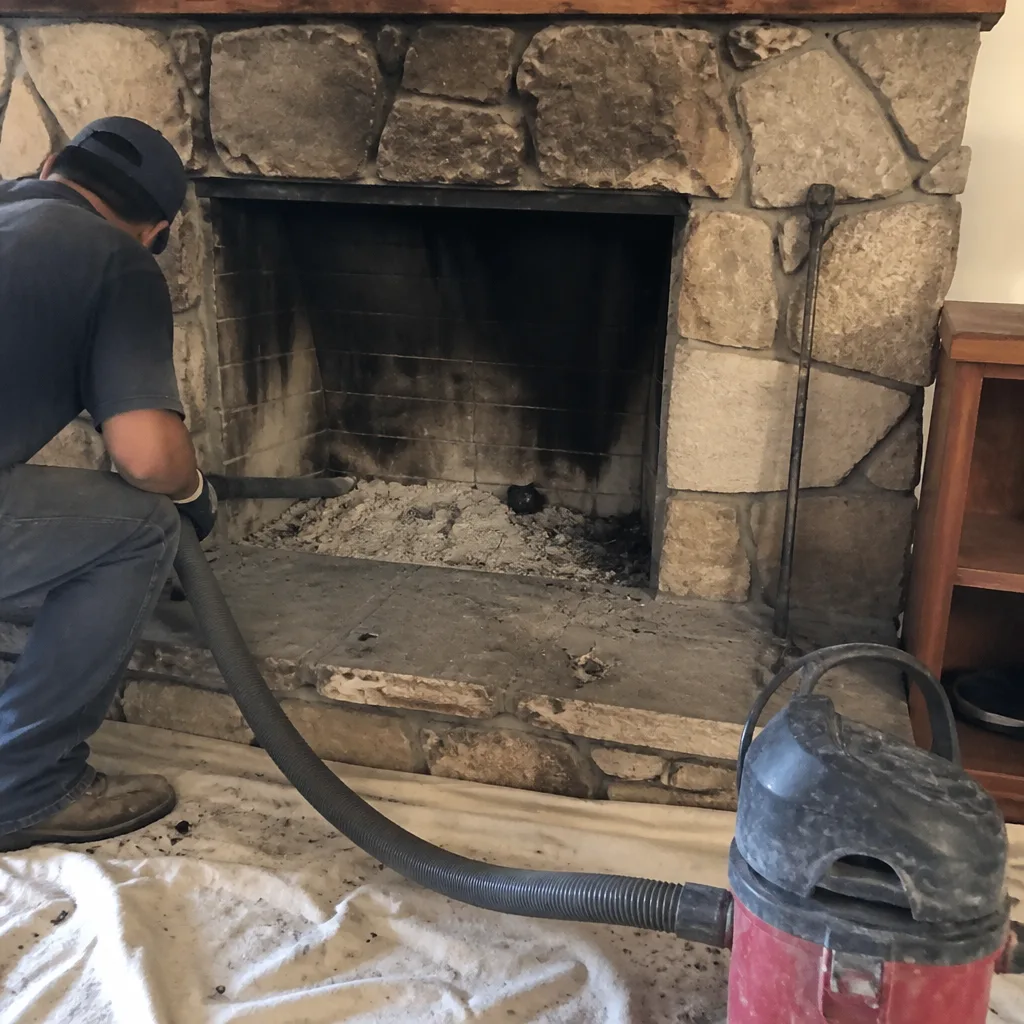 Before
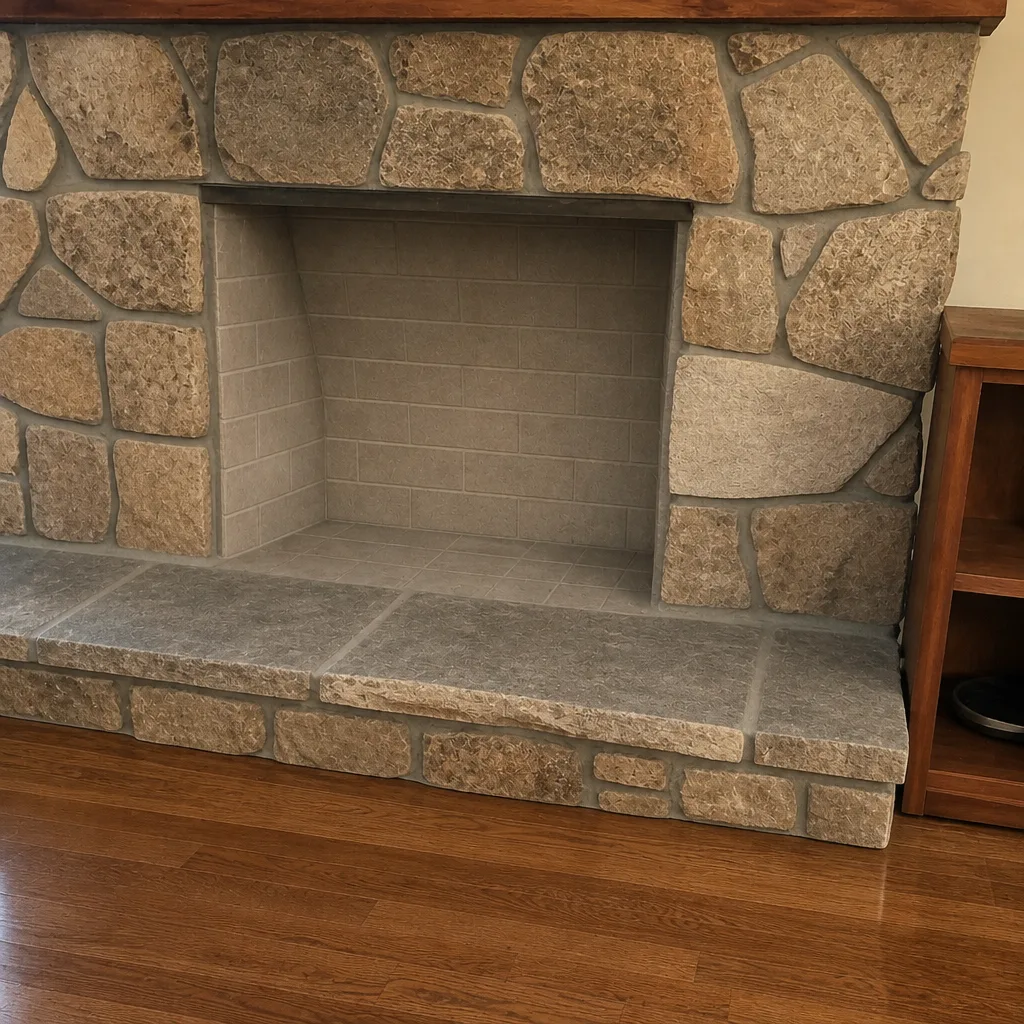 After
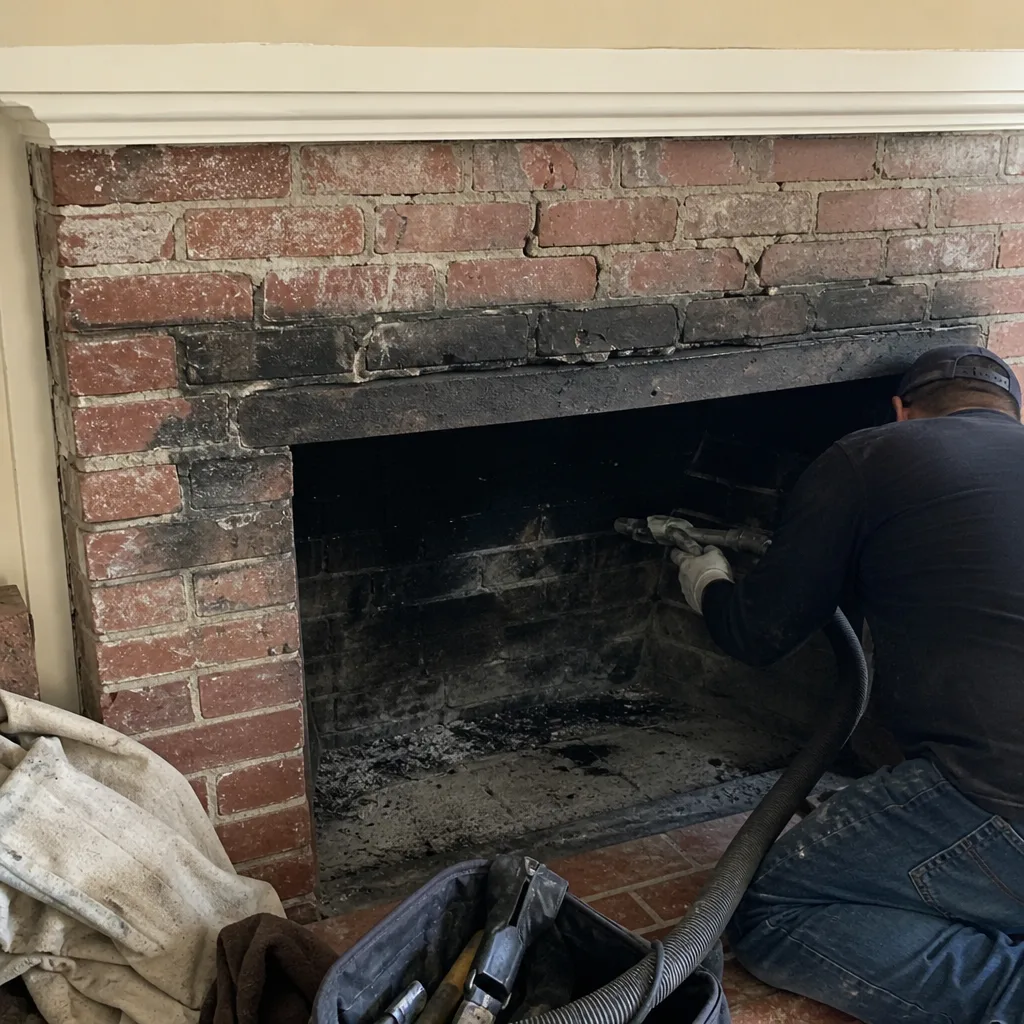 Before
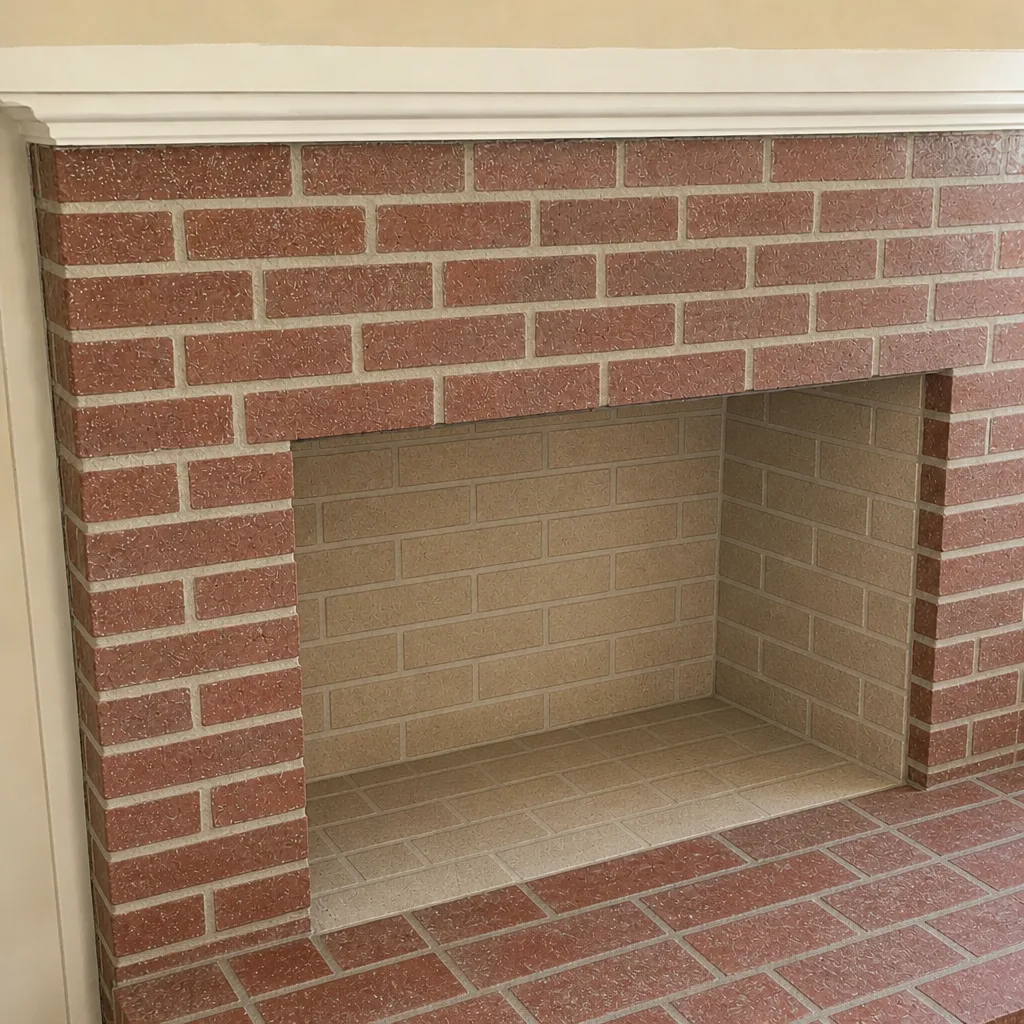 After
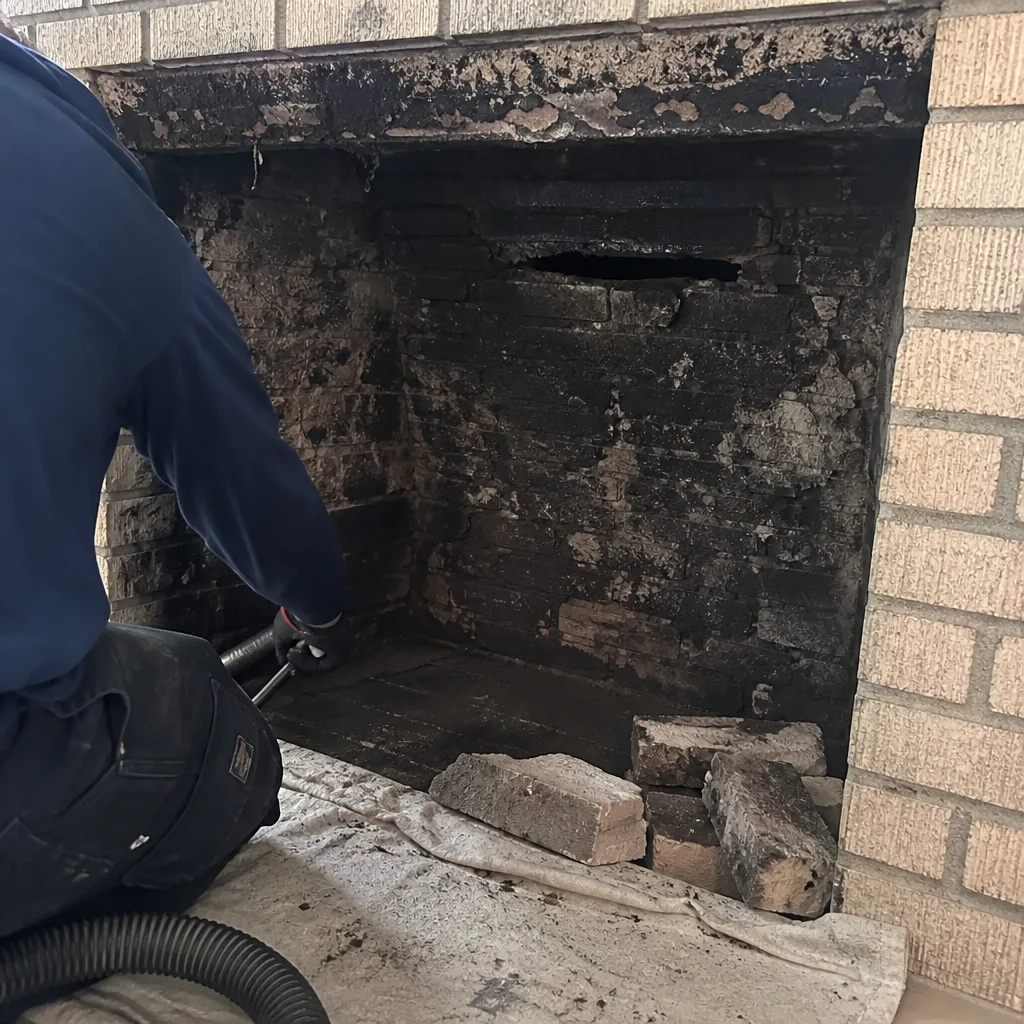 Before
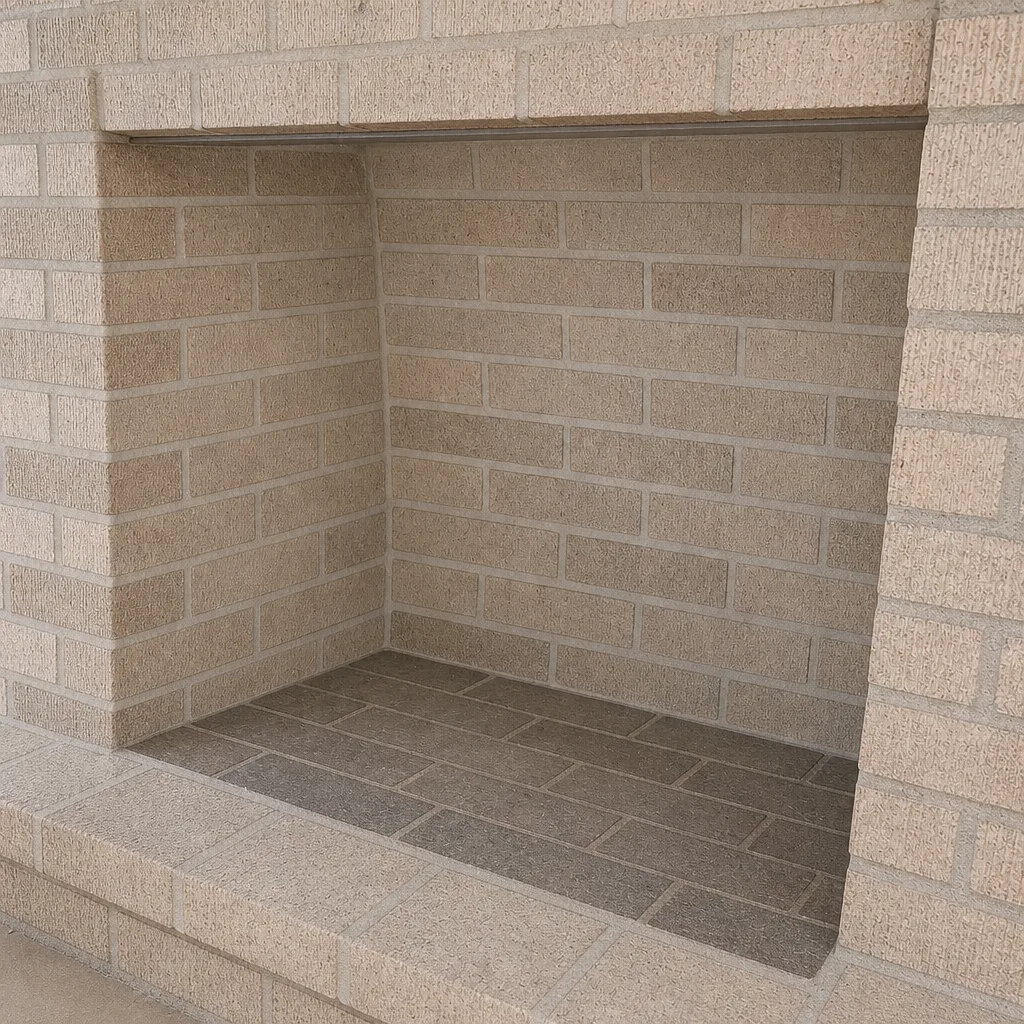 After
When to Call a Professional
Call a professional the moment any of these is true: you’ve had a chimney fire, a CO alarm has gone off, you smell exhaust or creosote inside the house, smoke rolls back into the room instead of going up, you’ve felt a strong earthquake since the last inspection, you’ve moved into a house in East Anaheim with a fireplace you’ve never had inspected, or it’s been more than a year since the last sweep. One of those is a good reason to call. Two or more means it’s overdue.
Chimney Sweep East Anaheim offers free estimates in East Anaheim – call (833) 997-1267. We answer 24/7, with fast dispatch from 7am to 7pm, Sunday through Friday. A camera inspection and photo report comes with every visit, and nothing gets recommended that you can’t see for yourself in the photos. If the work can safely wait, we’ll tell you so. The written estimate sets the final price.
Frequently Asked Questions
It can sound like a low rumble or rhythmic pinging inside the flue, or like distant crackling that continues after you stop feeding the fire. The pinging comes from metal components expanding. A slow-burning chimney fire may make almost no sound at all, which is why visual signs like creosote flaking off the cap matter. Call (833) 997-1267 for an inspection after any suspected event – estimates are free.
You know because a CO alarm goes off, or because you and the people in the house feel headache, nausea, dizziness, or confusion that gets better when you leave. Carbon monoxide has no color, no smell, and no visible sign at the chimney. If you suspect it, get outside and call 911, then have the flue inspected before the appliance runs again. Call (833) 997-1267 to book an inspection – estimates are free.
Yes. A fire event changes the condition of the liner, and California code requires an inspection before the chimney is operated again after a fire. A slow-burning fire can crack clay tile without leaving any visible sign from the firebox. Skipping the inspection puts a fire back into a damaged flue. Call (833) 997-1267 – a camera inspection with photo report is part of every service visit, and the estimate is free.
It depends on how much you burn. A fireplace used regularly through the winter needs sweeping more often than one lit a few times a season, and the annual inspection will tell you when creosote has built up enough to warrant a sweep. A yearly inspection is the baseline. Call (833) 997-1267 to schedule one before the burning season – estimates are free.
Creosote keeps thickening, a cracked liner stays cracked, and a failing cap stays failing. Each of those is a preventable cause of a chimney fire or a carbon monoxide event, and each is cheaper to fix at the inspection stage than after an event. The risk grows with every fire you light in an uninspected flue. Call (833) 997-1267 to book an inspection – estimates are free.
Sometimes. A ceramic resurfacing system like HeatShield can seal cracks and rebuild the flue wall from the inside when the damage is repairable. If the tiles are displaced or the damage is widespread, a flexible stainless liner like DuraFlex is the replacement route. A camera inspection determines which one you need. Call (833) 997-1267 – you’ll see the photos before anything is recommended, and the estimate is free.
The Bottom Line
Chimney emergencies in East Anaheim follow patterns, and the patterns are preventable. A slow chimney fire, a carbon monoxide event from a gas appliance, and a sudden flue blockage all start as maintenance problems that an annual camera inspection would have caught. The first 60 seconds of an event are about getting out and calling 911, and the most important step is what comes after: an inspection before relighting, every time. Keep the emergency file current, check the cap and crown once a year, and don’t skip the CO alarm test.
If you’d like a free estimate on an inspection or a sweep, we’re the team to call. We work with DuraFlex, HeatShield, Gelco, Olympia Chimney, Famco, and Copperfield, which means the repair and the replacement are both available from one visit. Reach us at (833) 997-1267. We answer 24/7, with fast dispatch from 7am to 7pm, Sunday through Friday.
Written by the team at Chimney Sweep East Anaheim.